

Introduction: The Rise of Direct-to-Consumer (DTC) Brands
In the evolving world of eCommerce, Direct-to-Consumer (DTC) brands are redefining how businesses connect with customers. Instead of relying on intermediaries like retailers or wholesalers, DTC companies take complete control—manufacturing, marketing, selling, and delivering products directly to the end consumer.
This business model has exploded in popularity thanks to digital transformation, social media marketing, and consumer demand for personalized experiences. Yet, while DTC brands excel in customer engagement, many struggle with a critical operational backbone—fulfillment and logistics.
Fast shipping, accurate order processing, and real-time inventory visibility have become non-negotiable in this space. Whether you’re a startup or a scaling brand, optimizing your fulfillment strategy is essential to ensuring growth, customer satisfaction, and profitability.
What Is the Direct-to-Consumer Model?
The Direct-to-Consumer (DTC) model empowers brands to sell products directly to buyers through digital platforms, bypassing traditional retail channels. It allows companies to own their customer data, control brand messaging, and enjoy higher profit margins.
For example:
- A skincare brand sells directly through its website instead of relying on beauty retailers.
- A coffee roaster delivers subscription boxes straight from its warehouse to the consumer’s doorstep.
This control offers flexibility and brand independence—but it also means brands must handle every aspect of fulfillment, from order management to last-mile delivery.
Why Fulfillment and Logistics Are Crucial for DTC Success?
Fulfillment is the bridge between your brand promise and customer satisfaction. Even the best marketing campaigns fail if orders arrive late or damaged. In the DTC world, logistics isn’t just about moving products; it’s about building trust and loyalty.
A well-optimized fulfillment system ensures:
- Faster delivery times and lower shipping costs
- Higher customer retention through reliable service
- Accurate inventory and demand forecasting
- Seamless scalability during high-demand seasons
In short, fulfillment defines your brand experience—and optimizing it sets you apart from the competition.
Common Challenges DTC Brands Face in Fulfillment
While the DTC model is empowering, it also presents logistical hurdles:
- Inventory Mismanagement: Without proper tracking, overselling or stockouts can damage customer trust.
- Rising Shipping Costs: Delivery expectations are increasing, but customers don’t want to pay extra.
- Inefficient Warehousing: Limited storage or disorganized stock placement slows fulfillment.
- Complex Returns Handling: Managing reverse logistics is a major pain point for DTC businesses.
- Limited Resources: Smaller brands often lack the manpower or tools to compete with major retailers’ logistics capabilities.
Solving these issues requires strategic planning and the right technology-driven fulfillment approach.
Fill out the form for a free logistics consultation!

You can contact us directly and schedule your shipment now
Key Strategies to Optimize DTC Fulfillment and Logistics
Inventory Management Optimization
Inventory control is the foundation of DTC logistics. Brands must know what’s available, where it’s stored, and when to reorder.
Optimization tips:
- Use real-time inventory tracking tools to prevent overselling.
- Conduct regular audits and cycle counts.
- Implement predictive analytics to anticipate demand surges.
Automation can sync your website, marketplace, and warehouse, ensuring consistent stock visibility across all sales channels.
Streamlined Order Processing
An efficient order management system (OMS) ensures orders are processed quickly and accurately.
Key best practices:
- Centralize all orders from multiple platforms (Amazon, Shopify, Walmart, etc.) into one dashboard.
- Set automatic order confirmations and shipping updates for transparency.
- Integrate barcode scanning to minimize human error.
Faster processing not only improves customer satisfaction but also enhances operational efficiency.
Smart Warehousing Solutions
Warehouse efficiency directly impacts delivery speed and accuracy. For growing DTC brands, smart warehousing isn’t optional—it’s essential.
Modern warehousing techniques include:
- Automated picking and packing systems
- Data-driven storage optimization
- Climate-controlled zones for sensitive items
- Cross-docking for faster dispatch
Many DTC companies now partner with 3PL providers (like Stock and Ship) to manage their storage and distribution more effectively.
Leveraging Fulfillment Automation and Technology
Technology is the secret weapon behind every successful DTC logistics network.
Adopt tools such as:
- Warehouse Management Systems (WMS): To track products from inbound to outbound.
- AI-powered analytics: To forecast sales and manage resources proactively.
- Cloud-based integrations: To sync marketplaces, inventory, and accounting systems.
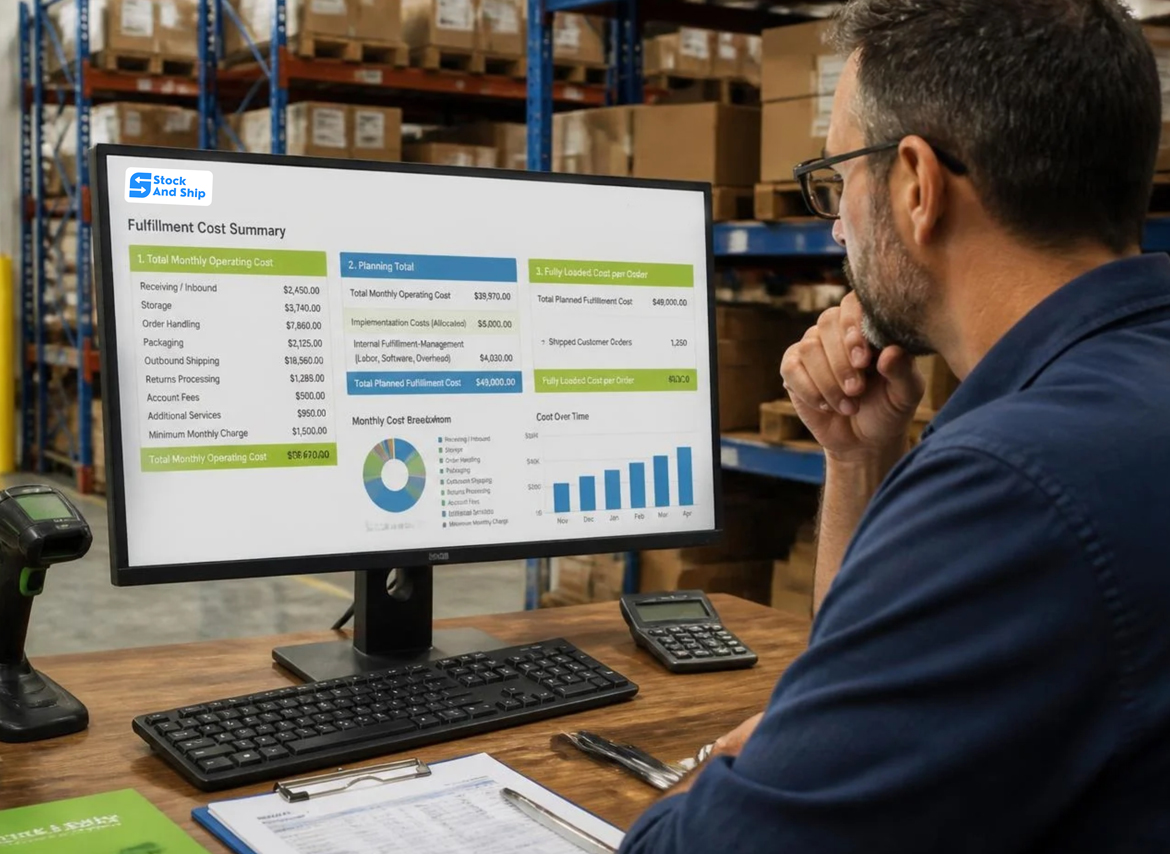
Automation eliminates redundancy, reduces errors, and ensures every order moves smoothly through your fulfillment pipeline.
Sustainable and Efficient Packaging
Today’s consumers are eco-conscious. Sustainable packaging not only helps the environment but also enhances brand perception.
Optimization tips:
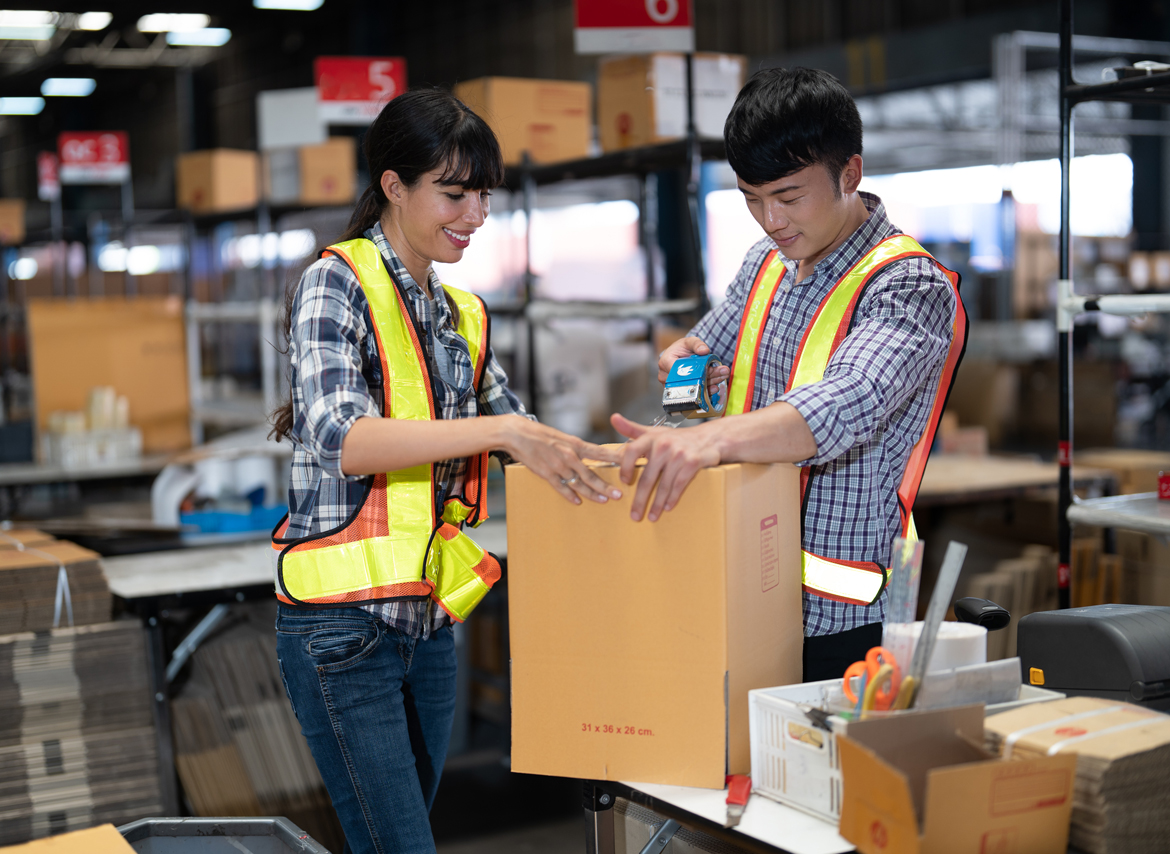
- Use right-sized boxes to cut down on material waste and shipping costs.
- Adopt biodegradable or recyclable packaging.
- Optimize packaging for durability during long-distance shipping.
Smart packaging is a subtle yet powerful differentiator for DTC brands competing for loyalty.
Role of Third-Party Fulfillment Partners for DTC Brands
As DTC brands grow, managing fulfillment in-house becomes increasingly complex and expensive. That’s where third-party logistics (3PL) partners come in.
Partnering with a fulfillment expert like Stock and Ship offers:
- Tax-free warehousing and shipping benefits
- Scalable storage solutions across multiple locations
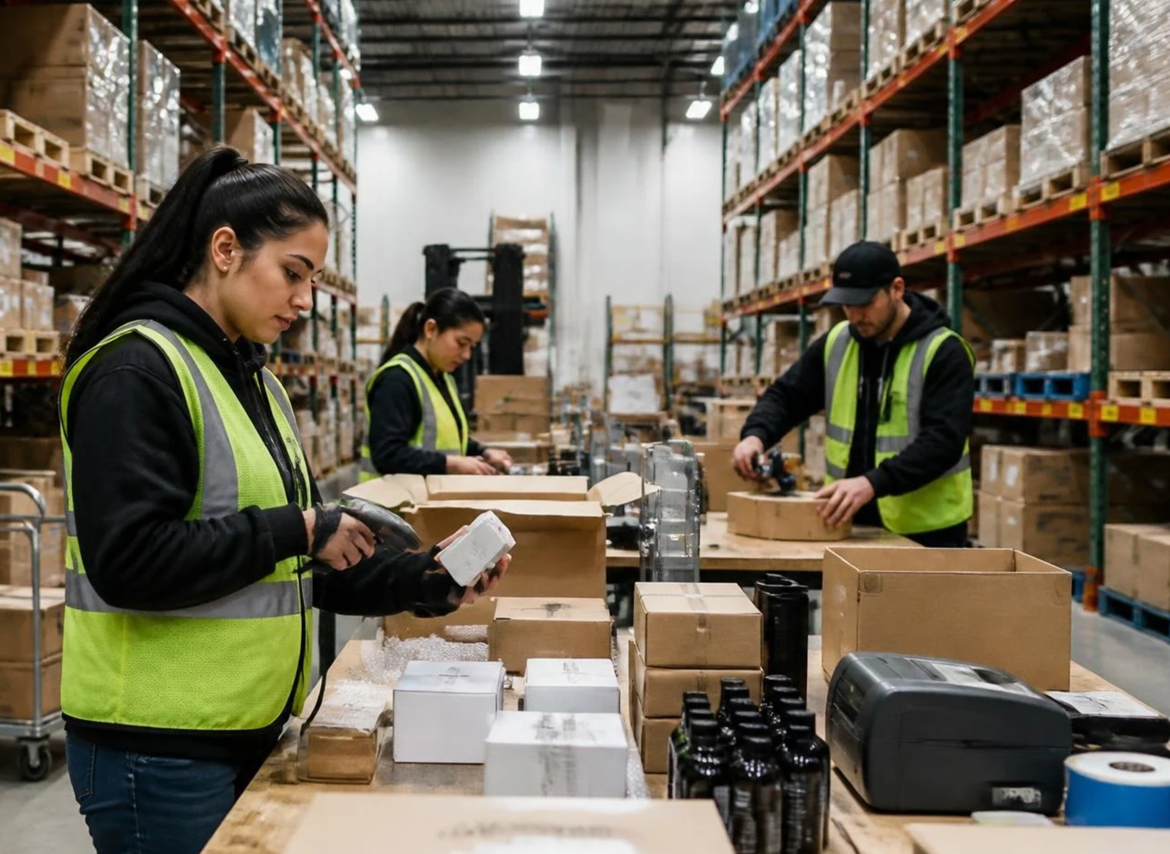
- Professional pick, pack, and ship services
- Returns and reverse logistics management
- Integration with major marketplaces like Amazon and Walmart
A 3PL partnership enables DTC brands to focus on marketing and product innovation, while logistics experts handle the rest.

How Amazon FBA and Prep Centers Support DTC Operations?
For DTC sellers expanding into Amazon, Fulfillment by Amazon (FBA) and FBA Prep Centers can play a major role in scaling efficiently.
FBA advantages include:
- Prime-eligible products for faster shipping
- Amazon’s customer service and return management
- Access to Amazon’s global distribution network
However, to meet Amazon’s strict FBA standards, products must be properly labeled, packaged, and compliant. That’s where FBA Prep Services—like those offered by Stock and Ship—become invaluable.
We handle everything from inspection, labeling, bundling, and packaging to inventory forwarding, ensuring your products are always Amazon-ready.
Benefits of an Optimized DTC Fulfillment Strategy
A strong fulfillment system is more than operational—it’s strategic.
Here’s how optimization impacts your brand:
- Improved customer experience through fast, reliable delivery
- Reduced operational costs via automation and streamlined processes
- Scalability for seasonal surges and multi-channel growth
- Enhanced brand reputation from consistent service quality
- Better data-driven decisions with advanced analytics and reporting
When fulfillment works seamlessly, it becomes a competitive advantage—not just a backend process.
Future Trends in DTC Fulfillment and Logistics
As technology and consumer behavior evolve, DTC logistics will continue to innovate. Here are emerging trends shaping the future:
- Micro-fulfillment centers (MFCs): Smaller warehouses closer to customers for faster last-mile delivery.
- AI and robotics: Automating order picking, packing, and forecasting.
- Omnichannel fulfillment: Seamless integration across web stores, Amazon, and physical locations.
- Sustainability-first logistics: Eco-friendly transportation and carbon-neutral packaging.
- Real-time visibility: IoT-enabled tracking for live shipment updates.
Brands that invest early in these technologies will lead the next generation of customer-centric commerce.
Final Thoughts: Building a Scalable DTC Fulfillment Ecosystem
The Direct-to-Consumer revolution has empowered brands to control their destiny—but success doesn’t stop at sales. True growth happens when your fulfillment and logistics are efficient, flexible, and built for scale.
By combining smart inventory management, automated systems, and trusted 3PL partners like Stock and Ship, DTC brands can deliver exceptional customer experiences—on time, every time.
The future belongs to those who streamline their operations and invest in fulfillment excellence. Whether you’re launching a new product line or scaling your eCommerce empire, now is the time to transform your logistics into a growth engine.
Frequently Asked Questions (FAQs)
What is Direct-to-Consumer (DTC) fulfillment?
DTC fulfillment refers to the process where brands handle order storage, packing, and shipping directly to customers, without relying on retailers or middlemen.
Why is logistics important for DTC brands?
Efficient logistics ensures timely deliveries, reduced costs, and improved customer satisfaction—key elements for sustainable DTC growth.
How can 3PL partners help DTC brands?
3PL partners like Stock and Ship provide storage, order fulfillment, packaging, and returns management—allowing DTC brands to scale without heavy infrastructure investment.
What’s the difference between FBA and in-house fulfillment?
FBA (Fulfillment by Amazon) leverages Amazon’s infrastructure for faster delivery, while in-house fulfillment gives brands more control over branding and packaging.
How can DTC brands make logistics more sustainable?
By using recyclable packaging, optimizing shipping routes, and partnering with eco-friendly fulfillment centers, brands can reduce their carbon footprint and appeal to conscious consumers.