

Walmart Fulfillment Services Explained: How Sellers Can Scale Smarter Beyond WFS
Introduction
In today’s fast-moving eCommerce ecosystem, fulfillment speed, inventory accuracy, and cost efficiency directly impact seller success. For Walmart marketplace sellers, Walmart Fulfillment Services has emerged as a popular solution to meet customer expectations for fast delivery and reliable service. By storing products inside a Walmart fulfillment center, sellers can access Walmart’s extensive logistics network and gain competitive advantages such as faster shipping badges and trusted customer support.
However, as Walmart’s marketplace grows more competitive, many sellers are realizing that Walmart Fulfillment is not always the most scalable or flexible option for every business model. Rising storage fees, limited customization, onboarding delays, and restricted multi-channel support have encouraged sellers to explore alternative fulfillment strategies.
This blog takes a deeper look at Walmart Fulfillment Services, its operational structure, limitations sellers often encounter, and how third-party fulfillment partners can offer smarter, more flexible solutions. If your goal is to scale profitably while maintaining control over your brand and logistics, this guide will help you make an informed decision.
Understanding Walmart Fulfillment Services
Walmart Fulfillment Services is Walmart’s in-house logistics solution designed to help third-party sellers store inventory, fulfill orders, manage returns, and handle customer service. Similar to Amazon FBA, WFS allows sellers to send inventory to a Walmart fulfillment center, where Walmart manages the pick, pack, and shipping process.
Once enrolled, sellers benefit from faster delivery promises, improved listing visibility, and access to Walmart’s trusted customer support infrastructure. Products fulfilled through WFS are often eligible for two-day shipping, which significantly improves conversion rates on Walmart.com.
While Walmart Fulfillment simplifies logistics, it also places sellers within a standardized system. This means less control over packaging, branding, pricing structures, and fulfillment workflows—factors that become increasingly important as a business scales.
How a Walmart Fulfillment Center Operates?
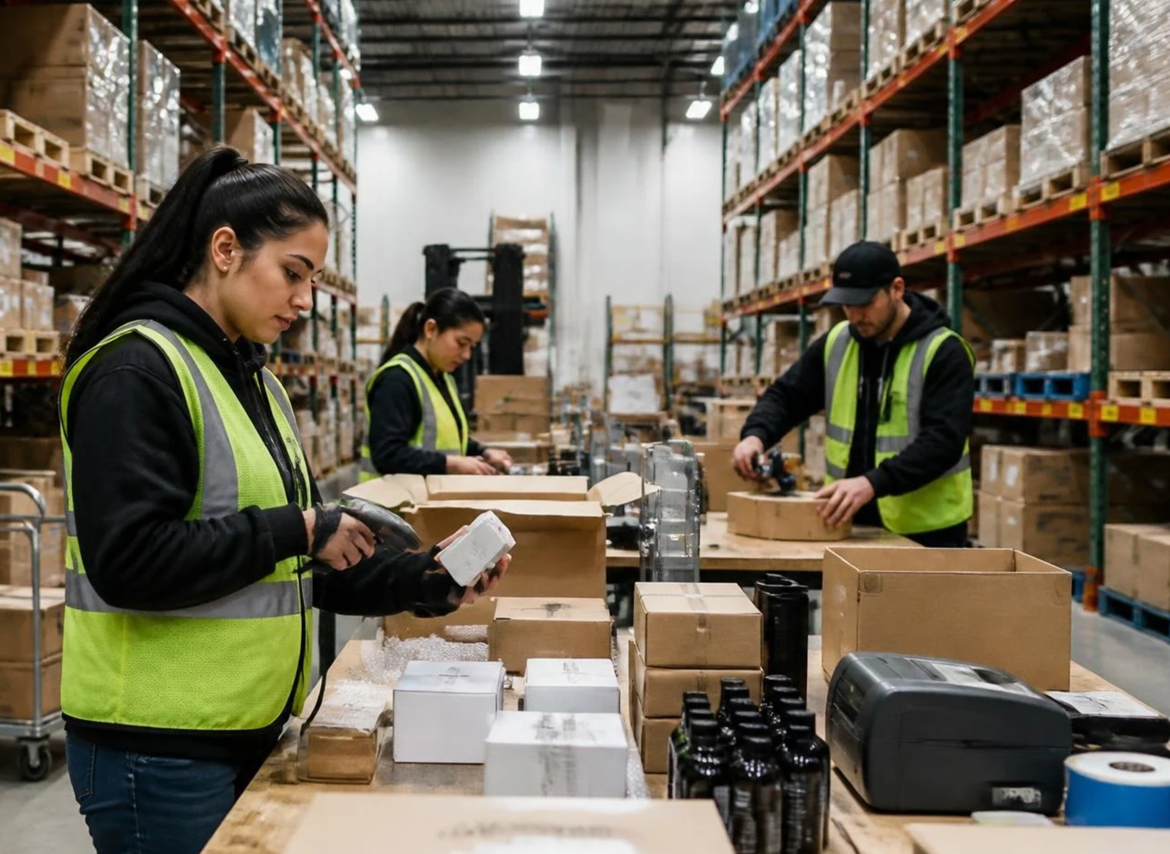
A Walmart fulfillment center functions as a centralized hub where seller inventory is received, stored, and dispatched. After inventory arrives at the facility, products are checked, labeled, and assigned storage locations within Walmart’s warehouse system.
When a customer places an order, Walmart’s automation and workforce handle the picking and packing process. Orders are then shipped using Walmart’s carrier network, ensuring fast delivery timelines and tracking updates. Returns are routed back to the fulfillment center, where Walmart decides whether items are restocked or disposed of based on their condition.
This streamlined process benefits sellers who prioritize speed and simplicity. However, it also means sellers must comply with strict packaging rules, inventory limits, and product eligibility guidelines, which can restrict operational flexibility.
Fill out the form for a free logistics consultation!

You can contact us directly and schedule your shipment now
Limitations Sellers Face with Walmart Fulfillment
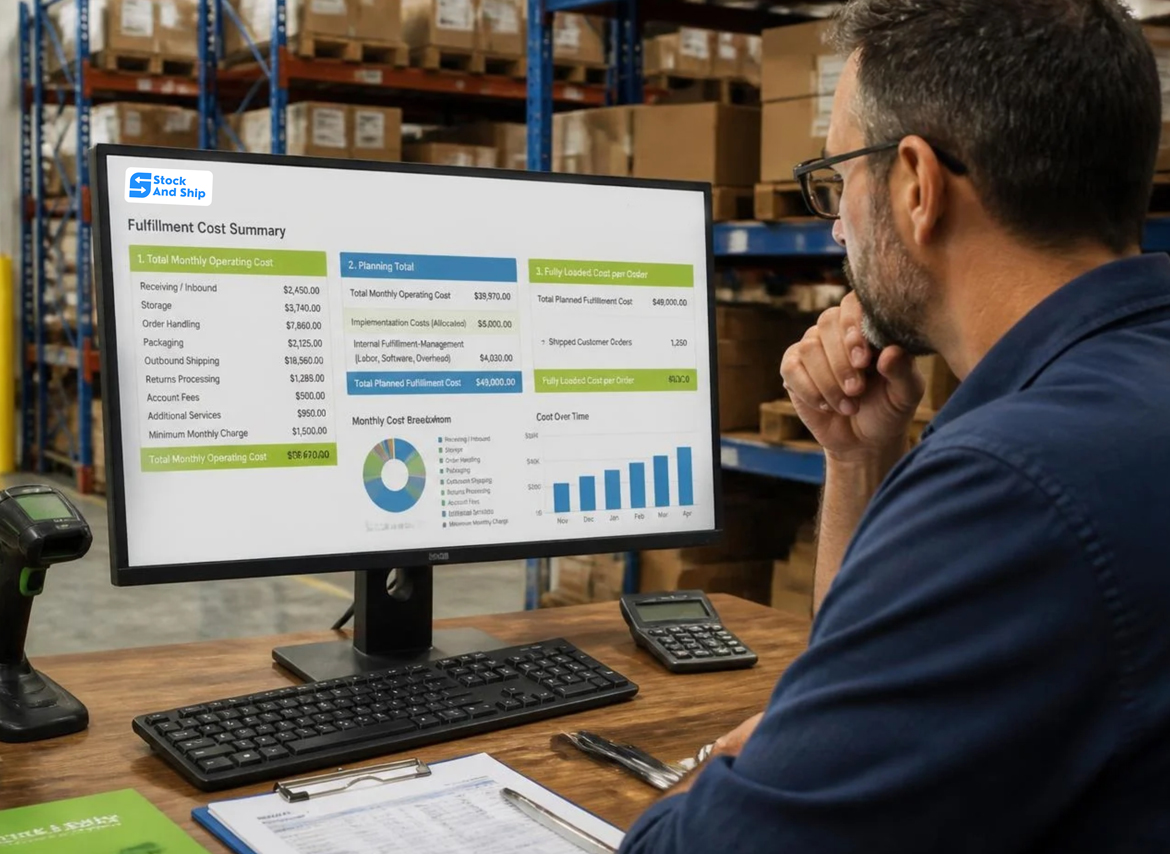
Despite its advantages, Walmart Fulfillment Services presents challenges that many sellers only discover after onboarding. One of the most common issues is cost unpredictability. Storage fees, long-term holding charges, and peak-season surcharges can significantly impact margins, especially for slow-moving inventory.
Product eligibility is another concern. Certain categories, oversized items, or temperature-sensitive products may not qualify for Walmart Fulfillment. Sellers with diverse catalogs often struggle to consolidate fulfillment under a single system.
Additionally, sellers have limited control over branding. Walmart determines packaging standards, leaving little room for inserts, custom boxes, or branded materials. For brands focused on customer experience and repeat purchases, this can be a major drawback.
Multi-channel fulfillment is also restricted. Walmart Fulfillment primarily supports Walmart marketplace orders, forcing sellers to manage separate logistics solutions for Amazon, Shopify, or DTC channels.
Why Third-Party Walmart Fulfillment Is Gaining Popularity?
As sellers seek greater flexibility, third-party Walmart Fulfillment solutions have gained momentum. These providers operate independently but integrate seamlessly with Walmart’s marketplace, offering compliant shipping while giving sellers more operational control.
Third-party fulfillment partners typically offer transparent pricing models, faster onboarding, and the ability to manage inventory across multiple sales channels from one system. Sellers can customize packaging, implement kitting strategies, and optimize shipping based on regional demand.
Another major advantage is scalability. Unlike Walmart Fulfillment Services, which may impose inventory caps or storage limitations, third-party providers can adapt quickly to seasonal spikes or promotional campaigns without disrupting operations.

How Stock and Ship Supports Walmart Sellers at Scale?
Stock and Ship bridges the gaps in traditional Walmart Fulfillment Services by offering Walmart-compliant logistics combined with seller-focused flexibility. It empowers brands to scale efficiently while maintaining control over operations and customer experience.
Key Highlights:
- Walmart-compliant logistics with flexibility: Scale operations without losing control.
- Strategically located warehouses: Tax-advantaged regions reduce fulfillment costs.
- Real-time inventory management: Accurate stock levels and faster order processing.
- Seamless Walmart integration: Orders, tracking, and performance metrics synced automatically.
- Multi-channel fulfillment support: Amazon FBA prep, Shopify, and direct-to-consumer shipments.
- Custom branding options: Packaging, inserts, and eco-friendly materials for consistent brand identity.
- Dedicated account support: Personalized guidance for new SKUs, returns, and peak season optimization.
Frequently Asked Questions (FAQ)
Is Walmart Fulfillment Services mandatory for selling on Walmart?
No, sellers can fulfill orders themselves or use third-party fulfillment partners while still meeting Walmart’s shipping requirements.
How does a Walmart fulfillment center differ from third-party warehouses?
A Walmart fulfillment center follows standardized processes, while third-party warehouses offer customizable workflows, branding options, and multi-channel support.
Can I use Walmart Fulfillment and a third-party provider together?
Yes, many sellers use a hybrid model, allocating fast-moving SKUs to Walmart Fulfillment Services and others to third-party providers.
Does third-party Walmart Fulfillment affect listing performance?
As long as shipping standards are met, third-party fulfillment does not negatively impact visibility and may improve margins and scalability.
Is third-party fulfillment suitable for high-volume sellers?
Yes, third-party providers are often better equipped to handle rapid scaling, seasonal surges, and complex inventory needs.
Final Thoughts
Walmart Fulfillment Services offers a reliable and efficient solution for sellers seeking fast delivery and simplified logistics. However, as competition intensifies and operational complexity increases, many sellers find that Walmart Fulfillment alone does not provide the flexibility, cost control, or branding freedom required for long-term growth.
By leveraging third-party Walmart Fulfillment solutions like Stock and Ship, sellers can maintain compliance while gaining greater control over inventory, packaging, and multi-channel expansion. The right fulfillment strategy should support your business as it scales—not limit it.
Choosing a fulfillment partner that grows with you can be the key difference between steady sales and sustainable success on Walmart’s marketplace.