

Introduction
The third-party logistics (3PL) industry is undergoing one of the most significant transformations in its history. With the rise of eCommerce, omnichannel retailing, same-day delivery expectations, and global supply chain volatility, traditional inventory systems can no longer keep pace. Businesses need smarter, faster, and more accurate solutions to manage stock, predict demand, and fulfill orders efficiently.
This is where ai powered inventory management is redefining the future of logistics. By combining artificial intelligence, machine learning, automation, and real-time analytics, modern 3PL providers are turning data into strategic advantage. Instead of reacting to problems like stockouts or overstocking, they can now anticipate demand shifts, optimize warehouse space, and streamline fulfillment forecasting with precision.
In this comprehensive guide, we’ll explore how ai powered inventory management is reshaping 3PL operations, improving profitability, and building resilient supply chains for the future.
The Evolution of 3PL in the Age of AI
Over the past decade, 3PL providers have evolved from simple storage and shipping partners to strategic supply chain enablers. Clients now expect:
- Real-time visibility
- Faster order processing
- Accurate stock synchronization
- Data-driven insights
- Scalable fulfillment solutions
- Cost efficiency
Traditional inventory management relied heavily on manual data entry, historical averages, and reactive planning. While functional, these methods often led to inefficiencies such as dead stock, fulfillment delays, and misaligned replenishment cycles.
The integration of ai inventory management systems has shifted logistics from reactive to predictive. By analyzing massive datasets in real time, AI helps 3PL providers anticipate demand spikes, identify slow-moving SKUs, and adjust procurement strategies dynamically.
What Is AI Powered Inventory Management?
AI powered inventory management refers to the use of artificial intelligence algorithms, predictive analytics, and automation tools to manage, track, and optimize stock levels across warehouses and distribution centers.
Unlike traditional inventory management systems that rely solely on historical data, AI-driven platforms analyze multiple data sources, including:
- Customer purchasing behavior
- Seasonal demand fluctuations
- Sales velocity trends
- Supplier lead times
- Transportation delays
- Market trends and external disruptions
The system continuously learns and refines its forecasts, improving accuracy over time. This dynamic capability ensures optimal stock levels, reduced waste, and faster fulfillment cycles.
Core Benefits for 3PL Providers
The adoption of ai powered inventory management offers measurable operational and financial advantages for 3PL companies.
- Enhanced Demand Forecasting Accuracy
AI models process historical and real-time data simultaneously, reducing forecast errors. This allows 3PL providers to prepare for peak seasons, promotional surges, and unexpected demand shifts without overstocking. - Optimized Stock Replenishment
Automated reorder points and predictive replenishment ensure warehouses maintain ideal inventory levels. This reduces carrying costs and prevents costly stockouts. - Reduced Operational Costs
By minimizing manual errors and improving warehouse workflows, AI inventory management lowers labor expenses, shrinkage losses, and storage inefficiencies. - Improved Warehouse Productivity
AI-driven slotting optimization places high-demand products closer to packing zones, reducing picking time and increasing throughput. - Multi-Warehouse Visibility
Real-time dashboards provide a unified view of inventory across multiple fulfillment centers, enabling smarter allocation decisions. - Higher Customer Satisfaction Rates
Accurate inventory data reduces order cancellations and shipping delays, directly improving client retention and brand reputation.
Fill out the form for a free logistics consultation!

You can contact us directly and schedule your shipment now
Fulfillment Forecasting and Predictive Logistics
Fulfillment forecasting goes beyond knowing what products are in stock. It predicts how, when, and where orders will be processed and delivered.
AI enhances fulfillment forecasting by:
- Predicting order volumes by region
- Optimizing pick-and-pack routes
- Anticipating labor requirements
- Forecasting packaging material needs
- Reducing last-mile delivery inefficiencies
- Identifying potential bottlenecks before they occur
When ai powered inventory management integrates with fulfillment forecasting systems, 3PL providers gain end-to-end operational intelligence. This holistic visibility enables faster decision-making and better resource allocation.
For example, during peak shopping seasons, AI can forecast order surges weeks in advance. Warehouses can then pre-position inventory, adjust staffing levels, and optimize delivery routes to maintain service quality.
Technologies Behind AI Inventory Management
Several advanced technologies drive modern ai inventory management solutions:
- Machine Learning (ML)
Continuously improves forecasting accuracy by identifying hidden demand patterns. - Robotic Process Automation (RPA)
Automates repetitive tasks such as stock updates and order confirmations. - Internet of Things (IoT)
Smart sensors track real-time inventory movement and warehouse conditions. - Big Data Analytics
Processes vast volumes of structured and unstructured data for deeper operational insights. - Cloud-Based Warehouse Management Systems (WMS)
Enable scalable and centralized inventory management across multiple locations. - Predictive Analytics Engines
Simulate various demand scenarios to improve supply chain resilience.
These technologies collectively enhance inventory management efficiency while reducing dependency on manual oversight.
Implementation Challenges and How to Overcome Them
While the benefits are substantial, implementing ai powered inventory management requires careful planning.
- High Initial Investment
AI systems demand software upgrades, infrastructure modernization, and employee training. However, long-term ROI typically offsets initial costs through efficiency gains. - Data Quality and Integration Issues
Poor data can weaken AI predictions. Ensuring clean, standardized, and centralized data is critical. - System Compatibility
Legacy warehouse management systems may require integration middleware or phased upgrades. - Workforce Training Needs
Employees must understand how to interpret AI-driven insights and collaborate with automated systems. - Change Management Resistance
Organizations must build a culture that embraces innovation and data-driven decision-making. - Cybersecurity Risks
As systems become more connected, protecting inventory data from cyber threats becomes essential.
A structured implementation roadmap, combined with cross-functional collaboration, ensures smooth AI adoption.
Future Trends Shaping Smart 3PL Operations
The future of inventory management will be defined by automation, sustainability, and hyper-personalization.
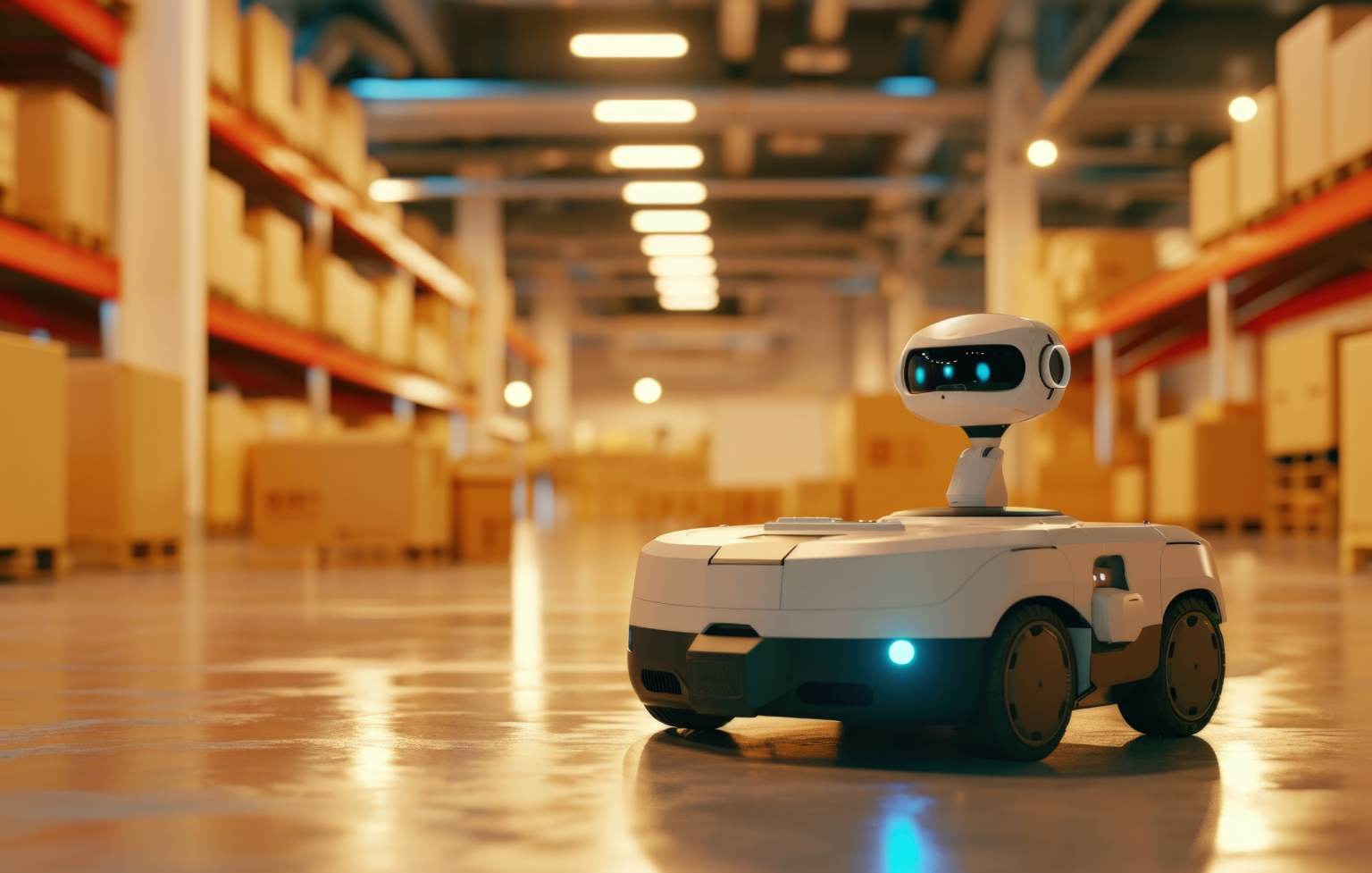
Autonomous warehouses powered by robotics and AI will reduce human dependency for repetitive tasks. Hyper-personalized forecasting will analyze customer behavior at micro levels to predict buying patterns with extreme precision.
Blockchain integration may enhance transparency and traceability across global supply chains. Meanwhile, AI-driven sustainability optimization will reduce carbon emissions by improving route planning and minimizing overproduction.
Edge computing and real-time analytics will further strengthen inventory management capabilities, allowing instant decision-making at warehouse floors.
Ultimately, ai powered inventory management will become the backbone of intelligent, agile, and resilient 3PL ecosystems.
Frequently Asked Questions (FAQ)
What makes ai powered inventory management different from traditional inventory systems?
AI systems use predictive analytics and machine learning to forecast demand in real time, while traditional inventory management relies primarily on historical averages and manual updates.
How does ai inventory management reduce costs for 3PL providers?
It minimizes stockouts, prevents overstocking, optimizes warehouse workflows, reduces labor dependency, and improves demand forecasting accuracy.
Is AI suitable for small and mid-sized 3PL companies?
Yes. Cloud-based AI solutions offer scalable pricing models, making advanced inventory management accessible to smaller logistics providers.
How accurate is AI-based demand forecasting?
Accuracy improves over time as algorithms learn from new data. Many AI systems significantly outperform traditional forecasting methods.
Can AI integrate with existing warehouse management systems?
Most modern AI platforms are designed to integrate with popular WMS and ERP systems, though some customization may be required.
Final Thoughts
The logistics landscape is becoming increasingly complex, competitive, and data-driven. To thrive in this evolving environment, 3PL providers must adopt intelligent systems that enhance efficiency and adaptability.
AI powered inventory management is no longer a futuristic concept—it is a strategic necessity. By leveraging predictive analytics, automation, and real-time insights, 3PL companies can optimize stock levels, improve fulfillment forecasting, reduce operational costs, and enhance customer satisfaction.
As technology continues to advance, ai inventory management will play an even greater role in shaping resilient, scalable, and sustainable supply chains. Companies that embrace AI today will position themselves as leaders in tomorrow’s logistics ecosystem, redefining the standards of modern inventory management and fulfillment excellence.