

From Storage to Shipping: How 3PL Services Simplify ECommerce Fulfillment?
Introduction
In today’s fast-paced digital commerce environment, customer expectations for fast delivery, accurate orders, and hassle-free returns are higher than ever. Managing warehousing, inventory, shipping, and returns internally can quickly become overwhelming and expensive as an online business grows. This is where a third party logistics provider becomes a strategic asset rather than just an operational vendor.
By outsourcing logistics operations to experienced professionals, brands gain access to scalable infrastructure, advanced technology, and carrier networks that would otherwise require significant investment. 3PL services for ecommerce fulfillment not only reduce operational complexity but also enable businesses to focus on growth, marketing, and customer experience instead of day-to-day logistics challenges.
Understanding the Role of a Third Party Logistics Provider
A third party logistics provider is a specialized company that manages all or part of an ecommerce brand’s supply chain operations. These services typically include inventory storage, order processing, picking and packing, shipping coordination, and reverse logistics. Unlike traditional warehousing, modern 3PLs operate as technology-driven fulfillment partners integrated directly with ecommerce platforms.
What makes a 3PL essential in today’s market is its ability to adapt quickly to demand fluctuations, sales spikes, seasonal trends, and multi-channel selling. Whether a brand sells through its own website, online marketplaces, or retail partners, a 3PL centralizes fulfillment into one efficient system.
How 3PL Services Streamline the eCommerce Fulfillment Lifecycle?
The fulfillment journey with 3PL services for ecommerce fulfillment begins with system integration. Ecommerce platforms, marketplaces, and order management tools connect directly with the 3PL’s warehouse management system, enabling real-time order flow and inventory synchronization. This eliminates manual data entry and reduces costly errors.
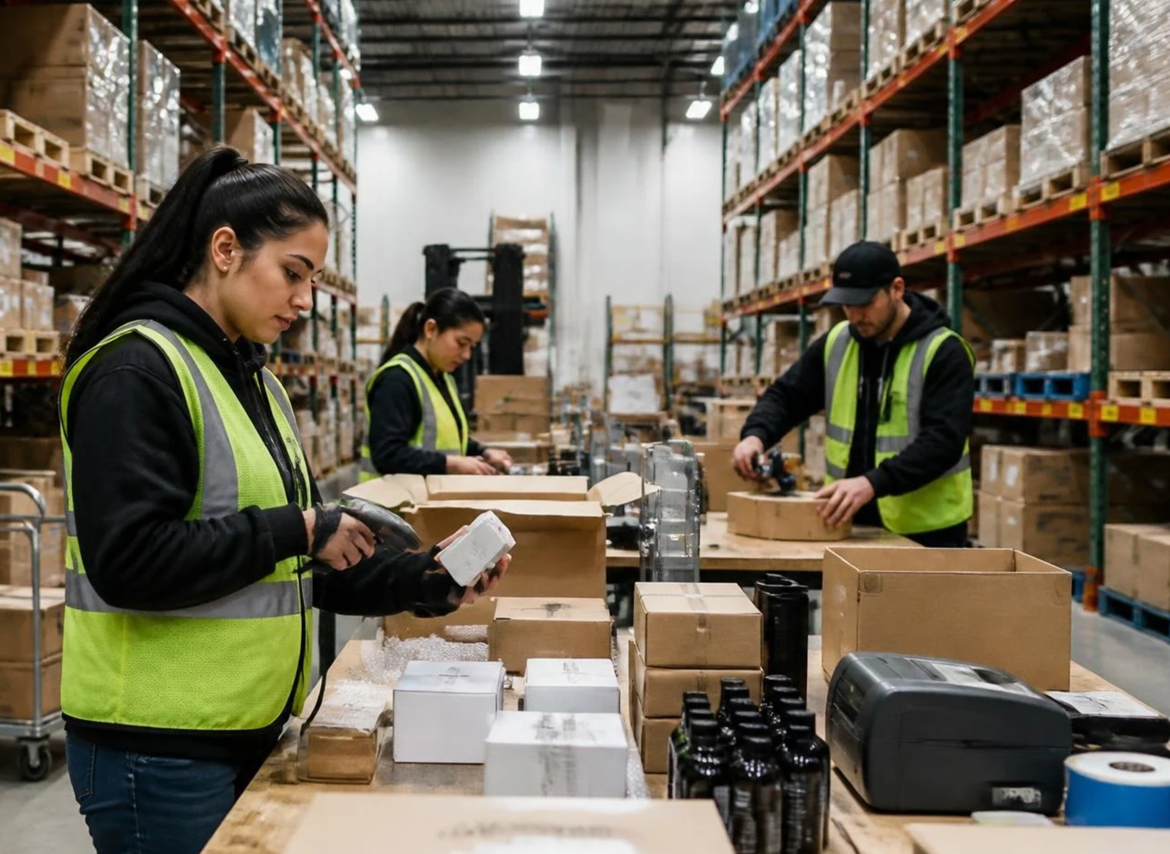
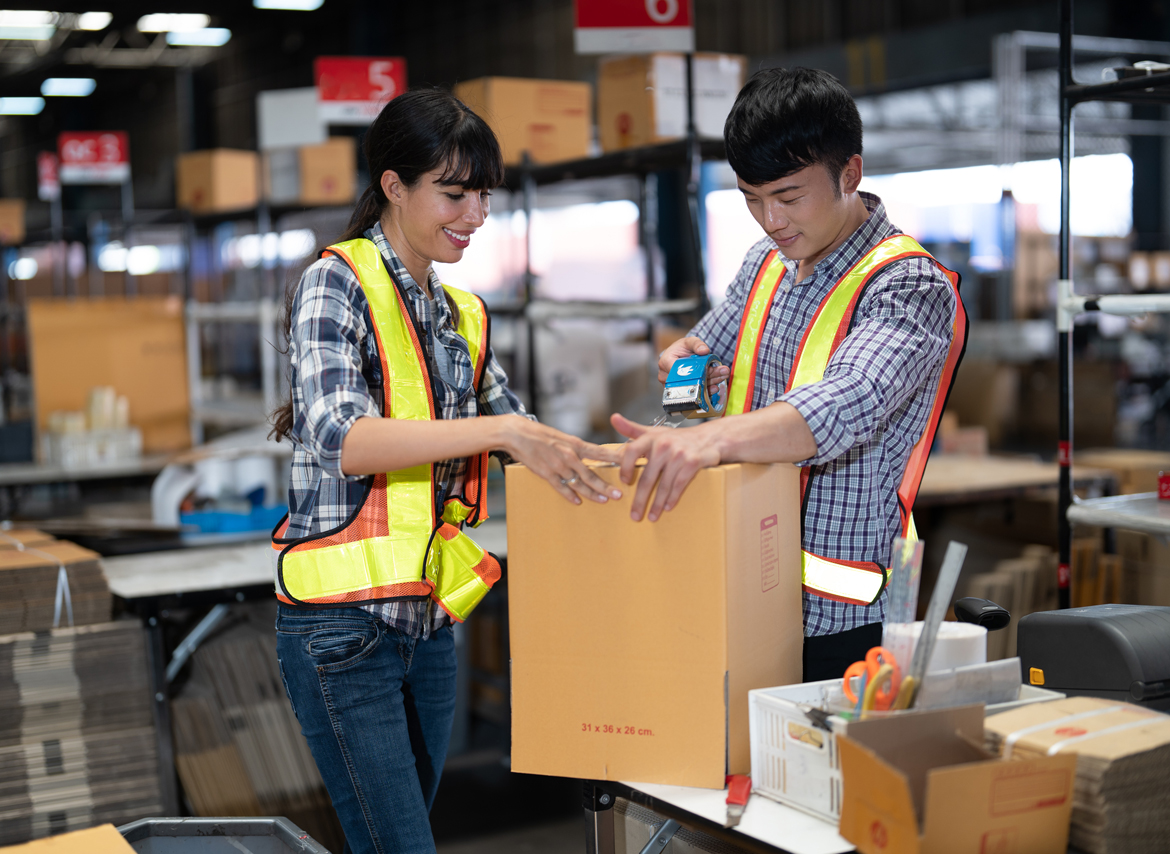
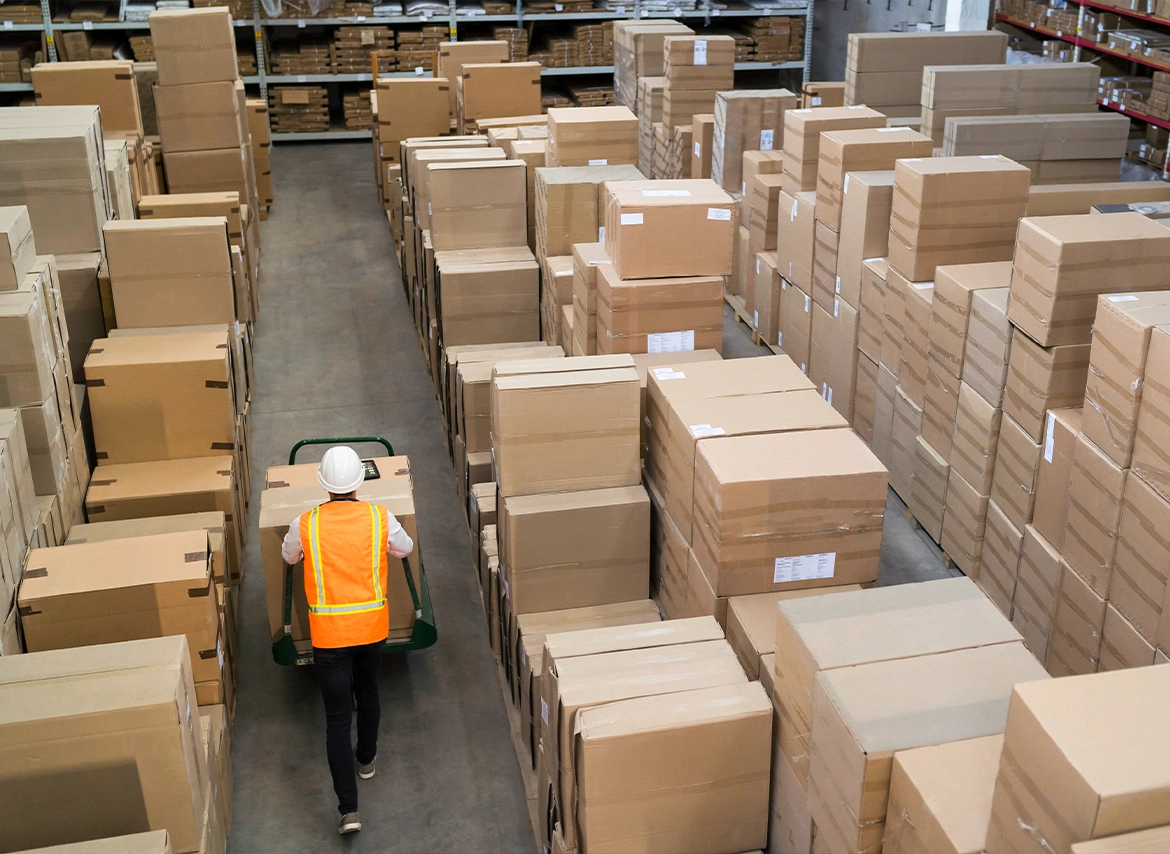
Once inventory arrives at the warehouse, it is inspected, counted, and stored in optimized locations based on demand patterns. Advanced storage logic ensures faster picking times and better space utilization. When a customer places an order, the system automatically triggers fulfillment, guiding warehouse staff through accurate picking and efficient packing workflows.
Shipping is another major area where a third party logistics provider adds value. By leveraging negotiated carrier rates and multiple shipping options, 3PLs help reduce delivery costs while improving transit times. Automated tracking updates keep both brands and customers informed throughout the shipping process.
Returns, often overlooked but critical to customer satisfaction, are handled through structured reverse logistics workflows. Returned items are inspected, restocked, or processed according to predefined rules, ensuring inventory accuracy and faster refunds or replacements.
Fill out the form for a free logistics consultation!

You can contact us directly and schedule your shipment now
Strategic Advantages of 3PL Services for eCommerce Brands
Partnering with a third party logistics provider offers more than operational convenience. One of the biggest advantages is scalability. As order volumes grow, fulfillment capacity can expand without requiring new warehouses, equipment, or staff. This flexibility is especially valuable during peak seasons or promotional campaigns.
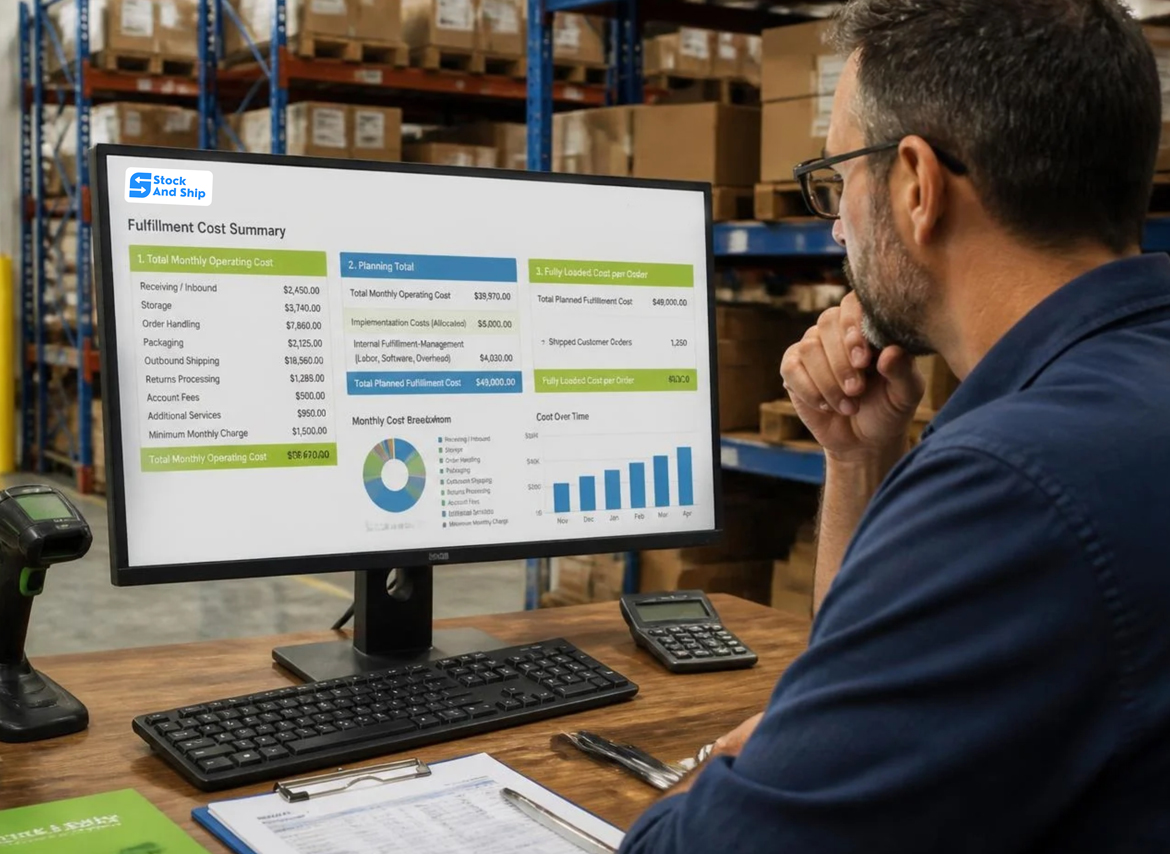
Cost efficiency is another major benefit. Instead of fixed overhead expenses, brands operate on a variable cost model, paying only for the storage and services they use. Additionally, access to logistics expertise and automation improves order accuracy and reduces costly fulfillment mistakes.
Geographically distributed fulfillment centers also allow faster delivery by positioning inventory closer to end customers. This not only improves shipping speed but also enhances the overall buying experience, leading to higher retention and repeat purchases.
Key Factors to Consider When Choosing a 3PL Partner
- Strategic importance: Choosing a 3PL is a critical business decision that impacts customer experience and scalability.
- Seamless integration: Ensure real-time visibility by integrating your ecommerce platform, OMS, and WMS without manual workarounds.
- Warehouse location: Select facilities close to major customer clusters to reduce shipping costs and improve delivery times.
- Service flexibility: Confirm support for custom packaging, subscriptions, kitting, value-added services, and international shipping.
- Transparency & reporting: Require clear dashboards for inventory accuracy, SLAs, and performance metrics to maintain accountability.
- Reliability & partnership: Look for a long-term partner mindset—proactive communication, continuous improvement, and operational resilience.

Common 3PL Challenges and How Smart Brands Overcome Them
Despite the benefits, challenges can arise when working with a third party logistics provider. Limited inventory visibility is often resolved by choosing partners with robust technology and real-time dashboards. Communication gaps can be minimized through clearly defined service-level agreements and regular performance reviews.
Return management complexity is best handled by 3PLs offering structured reverse logistics and detailed reporting. Concerns about loss of control are addressed by maintaining data transparency and building collaborative workflows that keep brands informed at every stage of fulfillment.
Final Thoughts
A third party logistics provider plays a vital role in transforming complex ecommerce operations into streamlined, scalable systems. By leveraging 3PL services for ecommerce fulfillment, businesses can reduce costs, improve delivery speed, enhance customer satisfaction, and stay competitive in an increasingly demanding market.
From inventory storage to last-mile delivery and returns, 3PL partnerships allow ecommerce brands to focus on growth while experts handle logistics with precision and efficiency. For both emerging startups and established enterprises, the right 3PL is not just a support service—it is a growth enabler.
Frequently Asked Questions (FAQ)
What is the main role of a third party logistics provider?
A third party logistics provider manages warehousing, order fulfillment, shipping, and returns, allowing ecommerce brands to outsource logistics operations efficiently.
How do 3PL services for ecommerce fulfillment reduce costs?
They eliminate the need for in-house warehouses, staff, and technology while providing access to bulk shipping rates and scalable infrastructure.
Can a 3PL handle multi-channel ecommerce fulfillment?
Yes, modern 3PLs support orders from multiple sales channels, including websites, marketplaces, and retail platforms, through centralized systems.
Are 3PL services suitable for small ecommerce businesses?
Absolutely. Many 3PL providers offer flexible pricing models that support startups and growing brands without large upfront investments.
How does a 3PL improve customer experience?
By ensuring faster shipping, accurate order fulfillment, real-time tracking, and efficient returns management, leading to higher customer satisfaction.