

Introduction
Choosing the right fulfillment system has become one of the biggest strategic decisions for modern Amazon sellers. With rising FBA fees, strict inventory rules, and customer expectations for fast delivery, sellers are increasingly comparing Amazon Warehouse vs. Third-Party Prep Centers to determine which option delivers the best balance of speed, convenience, and profitability. Amazon warehouses provide unmatched automation, but prep centers—especially in tax-free states—offer cost savings, flexibility, and operational control that many businesses rely on to scale sustainably. This guide breaks down both fulfillment paths to help you make an informed, growth-focused decision.
Understanding Amazon Warehouses (FBA)
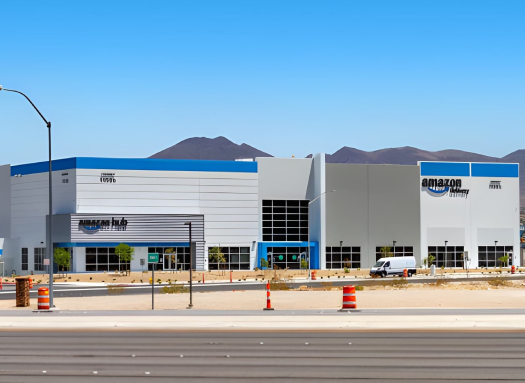
Amazon FBA allows sellers to store products in Amazon’s network of fulfillment centers. Once inventory is checked in, Amazon handles packing, labeling, shipping, returns, and customer service. This gives sellers access to Prime delivery, faster Buy Box rotation, and improved conversion rates. It also allows businesses to operate with minimal involvement in logistics, which is why many high-volume sellers depend heavily on FBA. However, FBA has strict prep and packaging standards. If inventory is not properly labeled, bagged, or packaged, Amazon may reject shipments, charge additional fees, or delay receiving.
The Limitations of Amazon Warehouses
While FBA is efficient, it comes with rising operational costs. Sellers must navigate high storage fees, seasonal surcharges, removal charges, and long-term storage penalties for slow-moving items. Amazon also standardizes packaging, which eliminates the possibility of custom inserts, branded unboxing experiences, or unique bundles. Restock limits also restrict how much inventory you can send to Amazon, affecting sellers during peak seasons. Additionally, storing goods in multiple Amazon warehouses often creates tax nexus obligations in several states, increasing administrative responsibilities.
What Third-Party Prep Centers Offer?
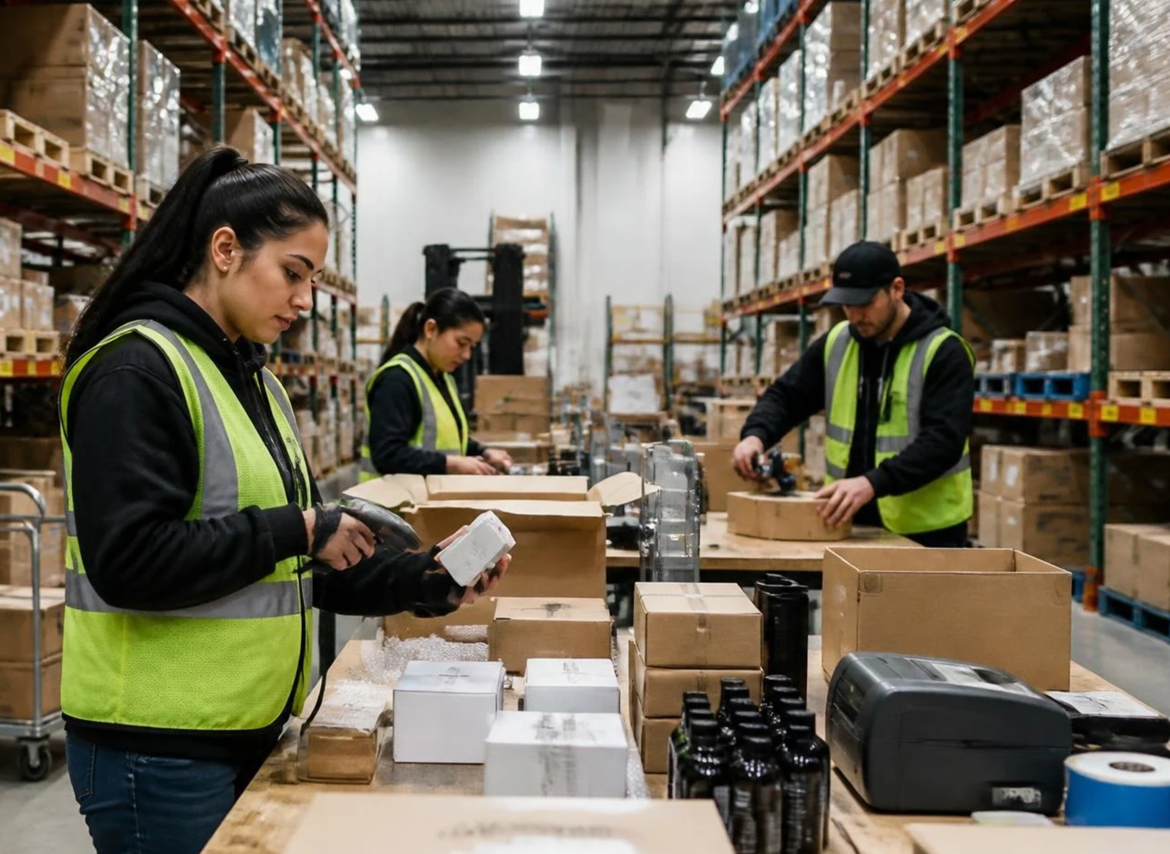
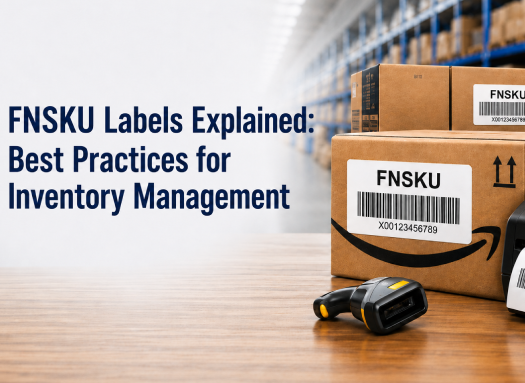
Third-party prep centers act as an extension of your supply chain. They receive inventory from your suppliers, inspect units for defects, apply FNSKU labels, package or bundle products, and ship them to Amazon in full FBA compliance. Their role goes far beyond simple preparation; they also consolidate shipments from multiple suppliers, manage inventory flow, provide affordable storage, assist international sellers with customs and compliance, and act as a buffer to help sellers avoid restock restrictions. For private-label brands, prep centers also enable full packaging and branding customization that Amazon warehouses cannot provide.
Fill out the form for a free logistics consultation!

You can contact us directly and schedule your shipment now
The Growing Importance of Tax-Free Prep Centers
Prep centers located in tax-free states such as Oregon, Delaware, and Montana have become especially beneficial for sellers aiming to reduce operational costs. Because these states do not charge sales tax on receiving, handling, or storing products, sellers avoid additional costs that would normally inflate their cost of goods sold. Over time, these tax savings significantly increase profit margin—especially for large-volume or private-label sellers. Oregon has emerged as a preferred hub because of its no-tax structure, strong logistics network, and proximity to major West Coast ports, making it ideal for businesses importing bulk shipments.
Amazon Warehouse vs. Third-Party Prep Centers: A Practical Comparison
To clearly evaluate Amazon Warehouse vs. Third-Party Prep Centers, consider the following performance comparisons:
-
Cost Efficiency
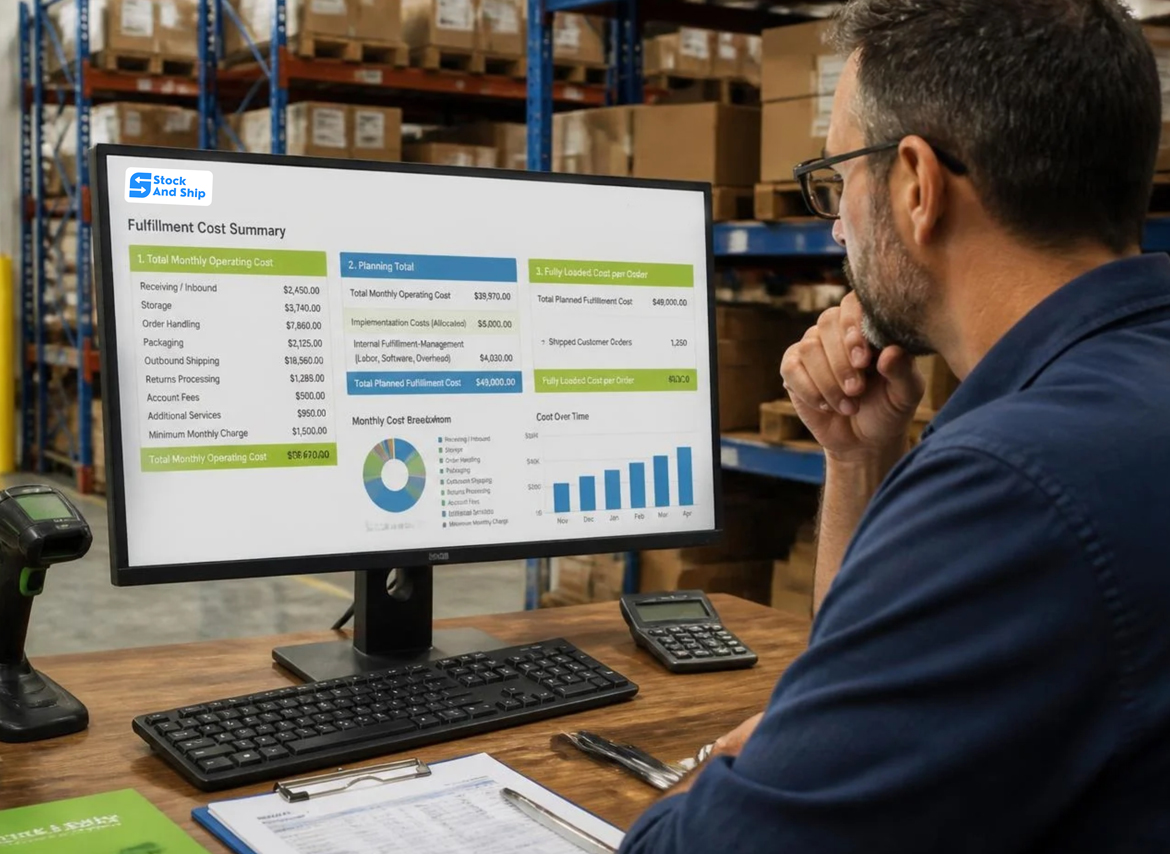
FBA fees include labeling, storage, removals, peak-time surcharges, and compliance penalties.
Prep centers generally offer:
- Lower per-unit prep costs
- Cheaper long-term storage
- No seasonal spikes in many cases
-
Branding & Customization
Amazon warehouses restrict custom packaging.
Prep centers allow full branding control.
-
Compliance & Quality
Amazon expects perfect compliance but does not inspect items for quality.
Prep centers detect defects early, reducing returns and complaints.
-
Inventory Management
Amazon restock limits can slow scaling.
Prep centers store overflow inventory and enable drip-feeding into FBA.
-
Tax Advantages
FBA storage creates tax nexus in multiple states.
Tax-free prep centers reduce or eliminate sales tax obligations on prep and storage.
When FBA Works Best?
FBA is ideal for sellers with high-demand products that move quickly and do not require specialized prep or packaging. If your profit margins are strong enough to absorb Amazon’s increasing fees and your primary goal is operational simplicity, FBA provides an automated system that helps you scale quickly. Sellers who rely heavily on Prime eligibility, fast delivery, and consistent Buy Box presence often find FBA essential to maintaining competitive visibility.

When Prep Centers Deliver Better Results?
Prep centers are the better choice for sellers who want tighter control over costs, branding, and inventory flow. They are especially effective for new sellers operating with lower margins, private-label brands requiring custom packaging, and businesses importing products in bulk that must be inspected before reaching Amazon. Prep centers also protect sellers from long-term storage fees and restock restrictions by serving as affordable overflow warehouses. When positioned in tax-free states, they provide an additional financial advantage that FBA alone cannot match.
Why Hybrid Fulfillment Is Becoming the Future?
More sellers now use a hybrid system that blends the strengths of both fulfillment models. Inventory is received, inspected, and prepared by a third-party prep center, then shipped to Amazon only in quantities that align with restock limits. Amazon handles final fulfillment and customer service through FBA. This hybrid approach delivers cost efficiency, Prime benefits, consistent quality control, and better inventory management. It prevents storage penalties, reduces prep expenses, supports branding initiatives, and gives sellers more flexibility during unpredictable sales cycles.
Final Thoughts
The choice between Amazon Warehouse vs. Third-Party Prep Centers depends on your business structure, margins, and long-term goals. Amazon warehouses excel at fast fulfillment and automation, while third-party prep centers outperform in cost savings, compliance, inspection, branding, and inventory control—especially when operating from tax-free states. For most sellers, a blended strategy provides the best of both worlds: predictable logistics through FBA and cost-efficient operations through prep centers. By leveraging both models, sellers create a scalable, profitable, and reliable fulfillment system that supports consistent growth in the evolving Amazon marketplace.
Frequently Asked Questions (FAQs)
Are prep centers necessary if I already use FBA?
Yes, because they ensure FBA compliance, prevent rejections, and provide cost-efficient prep and storage before inventory reaches Amazon.
Do prep centers actually reduce my overall costs?
Prep centers—especially in tax-free states—reduce labeling, storage, prep, and tax expenses, significantly lowering cost per unit.
Can prep centers handle branding and private-label requirements?
Yes, they support custom inserts, packaging, bundles, and brand-specific presentations that Amazon warehouses do not allow.
How do prep centers help with Amazon restock limits?
They store overflow inventory and release stock gradually to keep your FBA account compliant with Amazon’s capacity restrictions.
Should a new seller choose FBA or a prep center first?
Most new sellers benefit from prep centers first because they provide compliance support, lower costs, and reduce the risk of FBA receiving errors.