

Introduction
Selling through Amazon FBA gives sellers unmatched access to millions of customers and a world-class fulfillment network. But behind the convenience lies a series of hidden charges that slowly shrink your profit especially Amazon’s inbound placement fees. Many sellers ignore these charges until they notice their margins dropping month after month.
This enhanced guide breaks down what Amazon placement fees actually are, how they impact your bottom line, and most importantly how using cost-effective Amazon prep services dramatically reduces these expenses. Whether you’re a private-label seller, wholesale seller, or OA seller, understanding these costs is essential before scaling your business.
What Are Amazon Placement Fees?
Amazon placement fees formally called Inbound Placement Service Fees are charges Amazon collects when it splits your inventory across different fulfillment centers. When sellers ship products to Amazon, the system decides the most efficient way to distribute those units nationwide. This distribution helps Amazon offer faster delivery but increases the handling and transportation cost, which is then billed back to the seller.
Amazon offers two shipment placement options. The default option is Distributed Inventory Placement, where Amazon divides units among several fulfillment centers and adds a placement fee per unit. The second option is the Inventory Placement Service, where sellers can send all units to a single warehouse. Although this reduces complexity, Amazon still charges a per-unit fee to process everything at one location. In both cases, sellers pay extra unless shipments are prepared strategically.
Why Placement Fees Damage Your Profit Margins?
Placement fees range roughly from $0.27 to $1.58 per unit, depending on the item’s size and weight. When you multiply this across hundreds or thousands of units, the impact becomes significant. Sellers dealing in low-margin products, heavy items, or large quantities are often the most vulnerable. When fees accumulate every month, sellers realize that a portion of their revenue is being drained, even though product demand remains strong.
Placement fees also introduce operational challenges. Managing shipments to multiple Amazon warehouses creates more complexity in labeling, packing, and planning. Inventory gets split, making restocking harder. Unexpected fees affect cash flow, interrupt budgeting, and hurt long-term growth. The financial burden becomes even heavier for new sellers who are still testing products and learning Amazon’s logistics system.
Fill out the form for a free logistics consultation!

You can contact us directly and schedule your shipment now
The Real Hidden Cost for FBA Sellers
Shipping with Amazon FBA isn’t always as straightforward or as affordable as it seems.
- If you ship 1,000 units per month and the placement fee is $0.40 per unit, that’s $400 lost every month.
- Over a year, this adds up to $4,800 gone—just on distribution fees.
- Double your volume to 2,000 units, and the cost doubles too.
- For oversized or heavy items, the fees climb even higher.
What looks like a minor per-unit charge quickly snowballs into a major operational expense once you scale. To make matters worse, Amazon often splits shipments unpredictably, leaving sellers struggling to forecast costs accurately.
That’s why more sellers are turning to cost-effective Amazon prep services. These services streamline operations, reduce unnecessary fees, and help sellers protect their margins while scaling confidently.
How Cost-Effective Amazon Prep Services Reduce These Costs?
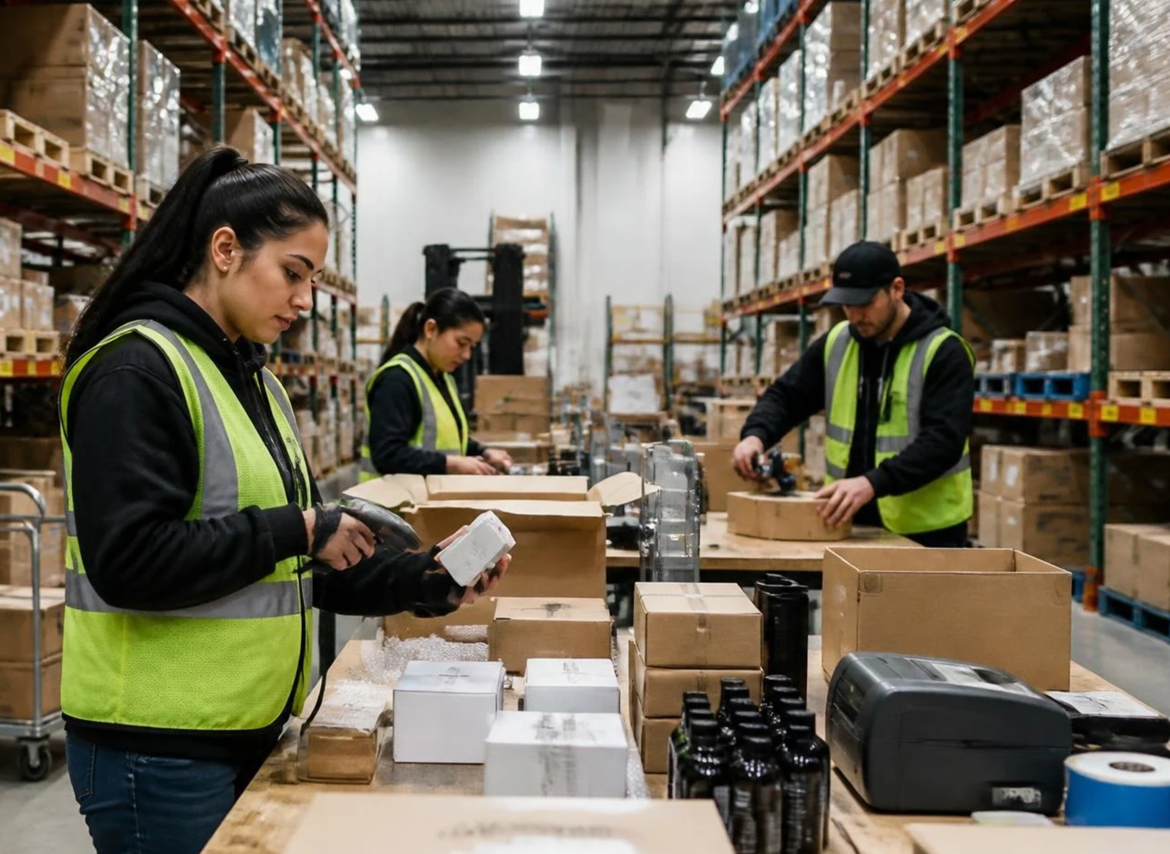
Prep centers are now an essential part of the Amazon FBA ecosystem. They receive, inspect, prepare, label, package, and forward inventory to Amazon while ensuring full compliance with Amazon’s requirements. The biggest advantage of using cost-effective Amazon prep services is their ability to minimize placement fees through better shipment planning.
Prep centers consolidate and standardize your shipments, which results in fewer fulfillment centers being assigned by Amazon. With proper prep work, Amazon is less likely to split your units, reducing or even eliminating placement fees. Prep centers also help avoid labeling errors. Amazon charges $0.55 per unit for labeling, but prep centers usually include labeling at a much lower cost. A facility like Stock and Ship offers affordable pricing for both online arbitrage and wholesale sellers, with rates dropping significantly for high-volume shipments. Their services include receiving, quality checks, FNSKU labeling, polybagging, bundling, packaging, and 14 days of free storage.
Thanks to structured workflow, standardized carton preparation, and accurate labeling, sellers experience fewer redirect charges, fewer warehouse diversions, and faster inbound processing. This leads to smooth inventory flow and improved profit margins.

Importance of FBA Labeling Services
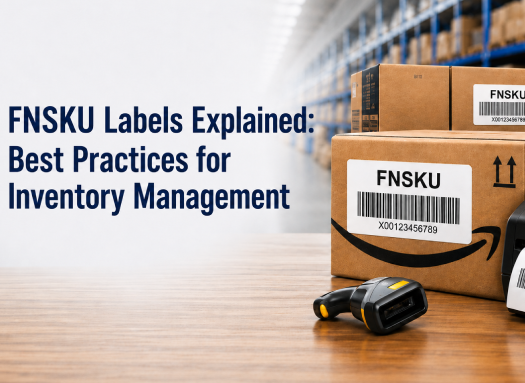
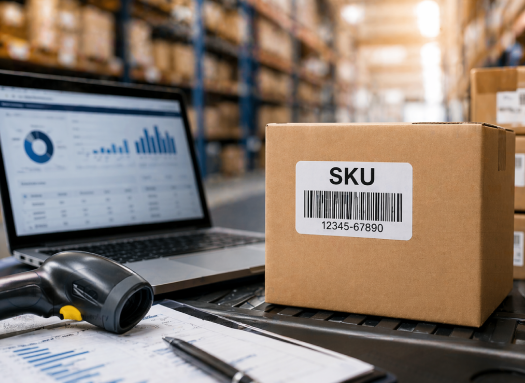
One of the most common reasons for delays and reprocessing fees in Amazon FBA is labeling. Amazon requires every unit to carry a clear, scannable FNSKU label. If the label is misplaced, blurry, or formatted incorrectly, Amazon may reject the product, reroute it, or apply a labeling fee of $0.55 per unit.
- For sellers shipping 1,000 units per month, that’s an extra $550 lost.
- Scale up to thousands of units, and the expense quickly becomes overwhelming.
This is where Amazon prep services make a huge difference. Most prep centers:
- Include labeling in their standard prep packages or charge a reduced rate of \$0.20–\$0.30 per unit.
- Guarantee Amazon-compliant polybagging and barcode placement.
- Ensure accurate SKU matching and secure packaging to minimize delays and warehouse penalties.
By outsourcing to a prep center, sellers can cut costs, avoid compliance headaches, and ensure inventory arrives at Amazon in perfect condition every single time.
Best Practices to Lower Placement Fees
To avoid unnecessary placement costs, sellers can implement several practical strategies. Shipping larger quantities of the same SKU at once helps Amazon assign fewer warehouses, decreasing the likelihood of split shipments. Working with a tax-free prep center adds another layer of savings because states such as Delaware do not charge sales tax on inventory received before forwarding it to Amazon.
Another important method is staying updated with Amazon’s inbound rules and packaging guidelines. Sellers who understand the requirements can prepare shipments in a way that reduces the chance of redirection. Some sellers also explore Amazon’s Inventory Placement Service, which may be beneficial in certain situations depending on the unit size and shipment volume. However, the most efficient and reliable approach is working with a cost-effective Amazon prep services that manages compliance, packaging, and shipment creation professionally.
Case Study: How Sellers Save Thousands?
Imagine you sell private‑label kitchen gadgets and ship 2,000 units to Amazon each month.
- Placement fee: $0.40 per unit = $800 per month
- Amazon labeling: $0.55 per unit = $1,100 per month
- Total Amazon fees: $1,900 per month for placement + labeling
Using a cost-effective prep center like Stock and Ship
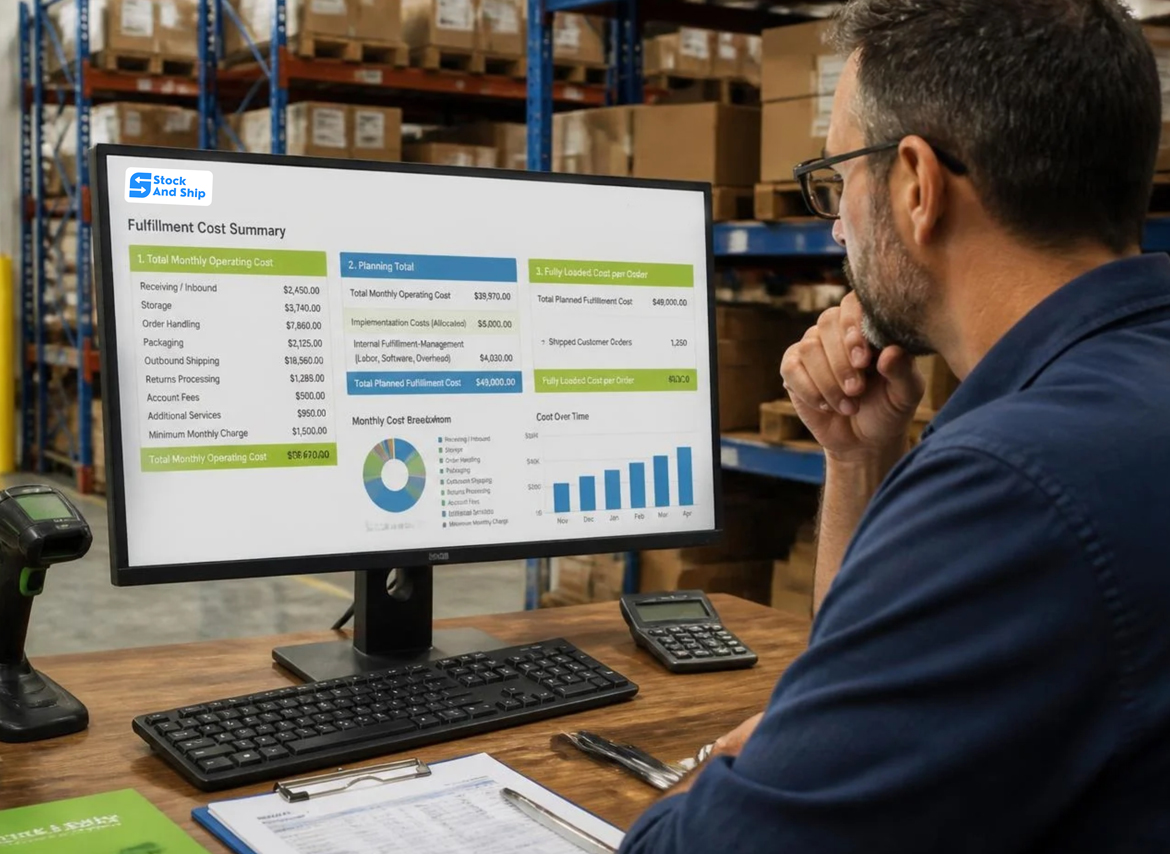
- Prep center cost: $1.35 per unit $\times$ 2,000 = $2,700
- Fees avoided: $800 placement + $1,100 labeling = $1,900 avoided
- Net effective cost: $2,700 $\-$ $1,900 = $800
The bottom line
- Monthly spend drops from $1,900 to $800
- Monthly savings: $1,100
- Annual savings: $13,200
By switching to a prep center, you cut recurring fees, ensure compliant labeling and packaging, and reduce operational headaches while paying less overall for a fully managed prep, labeling, packaging, and compliance workflow.
Final Thoughts:
Amazon placement fees may appear small individually, but they affect your profit significantly as your business grows. By understanding these costs and using cost-effective Amazon prep services, sellers can avoid unnecessary fees, improve inventory management, and strengthen their margins. Prep centers streamline the entire supply chain from receiving and labeling to packaging and shipment creation ensuring compliance and eliminating Amazon’s extra charges. If you aim to grow sustainably and protect your profit margin, partnering with a reliable prep center is one of the smartest decisions for Amazon sellers in 2025.
Frequently Asked Questions:
What are Amazon placement fees?
Amazon placement fees are charges applied when Amazon splits your inventory across multiple fulfillment centers based on demand and distribution requirements.
How do cost-effective Amazon prep services reduce placement fees?
They consolidate and prepare shipments in a way that reduces the number of warehouses Amazon assigns, lowering the chances of split shipments.
Can labeling mistakes increase Amazon fees?
Yes. Incorrect labeling leads to reprocessing fees and additional handling charges, which prep centers help you avoid.
Are prep services useful for all seller types?
Yes. Private-label, wholesale, online arbitrage, and large-volume sellers benefit the most because they face higher placement and labeling costs.
Do tax-free prep centers offer real savings?
Absolutely. Prep centers in tax-free states eliminate sales tax on incoming inventory, creating significant savings for high-volume sellers.