

Introduction — Why DTC Fulfillment Matters Now?
Direct-to-Consumer (DTC) Fulfillment has become the backbone of modern brand growth. As consumers increasingly prefer buying directly from brands — whether for better pricing, exclusive products, or superior customer experience — efficient fulfillment isn’t just logistics: it’s a competitive advantage. For growing brands, a scalable, reliable DTC fulfillment strategy transforms cart conversions into repeat customers and turns supply chain friction into brand loyalty. This guide explains what DTC fulfillment is, why it matters, and how StockandShip.com helps brands scale reliably while keeping costs under control.
What Is Direct-to-Consumer (DTC) Fulfillment?
Direct-to-Consumer (DTC) Fulfillment refers to the end-to-end process of receiving online orders placed by individual consumers, picking and packing the products, shipping them to customers’ addresses, and handling post-sale services such as returns and refunds. Unlike wholesale or B2B fulfillment (where goods move in bulk to retailers or distributors), DTC fulfillment focuses on single-unit or small-batch shipments to many unique residential addresses, often requiring fast shipping, branded packaging, and close integration with e-commerce platforms.
Key Components of a DTC Fulfillment Operation
A smooth DTC fulfillment operation includes several tightly coordinated parts:
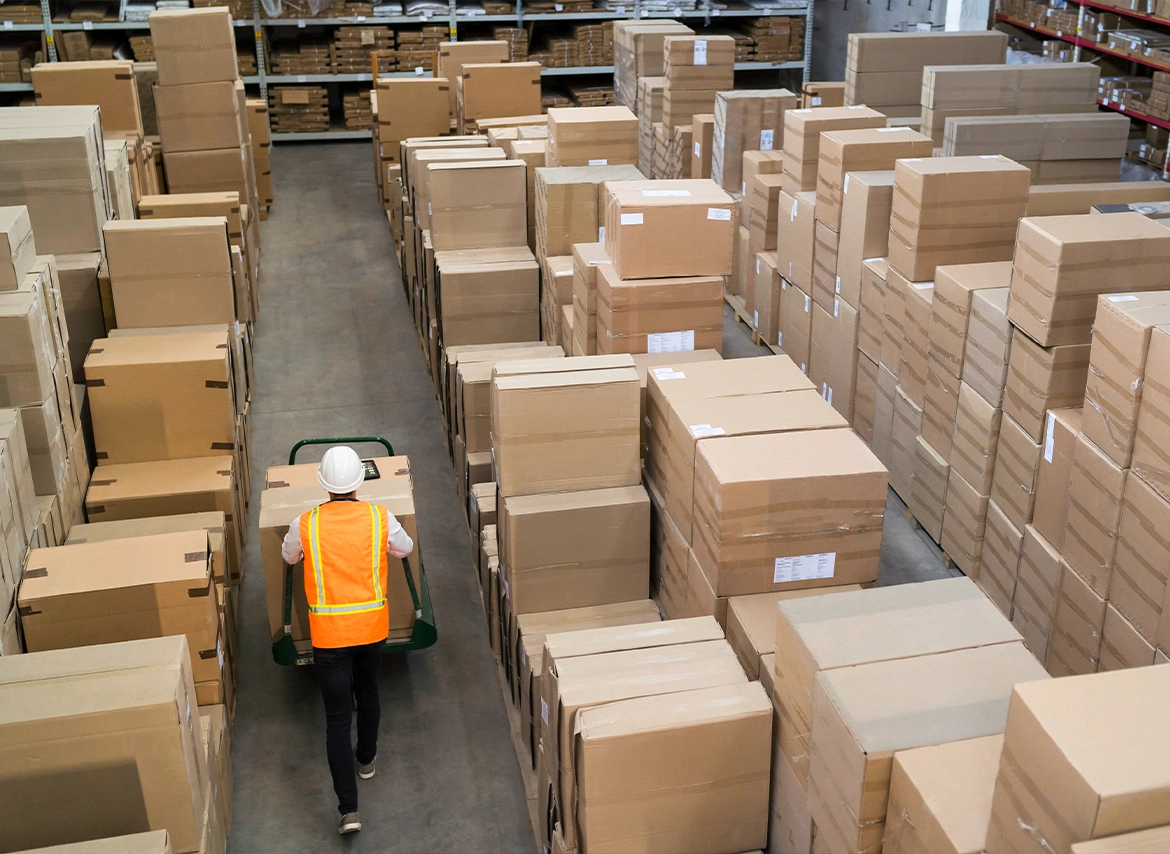
- Inventory receiving & storage — secure, organized warehousing with clear SKU management.
- Order management — real-time order routing from your store or marketplace to the fulfillment center.
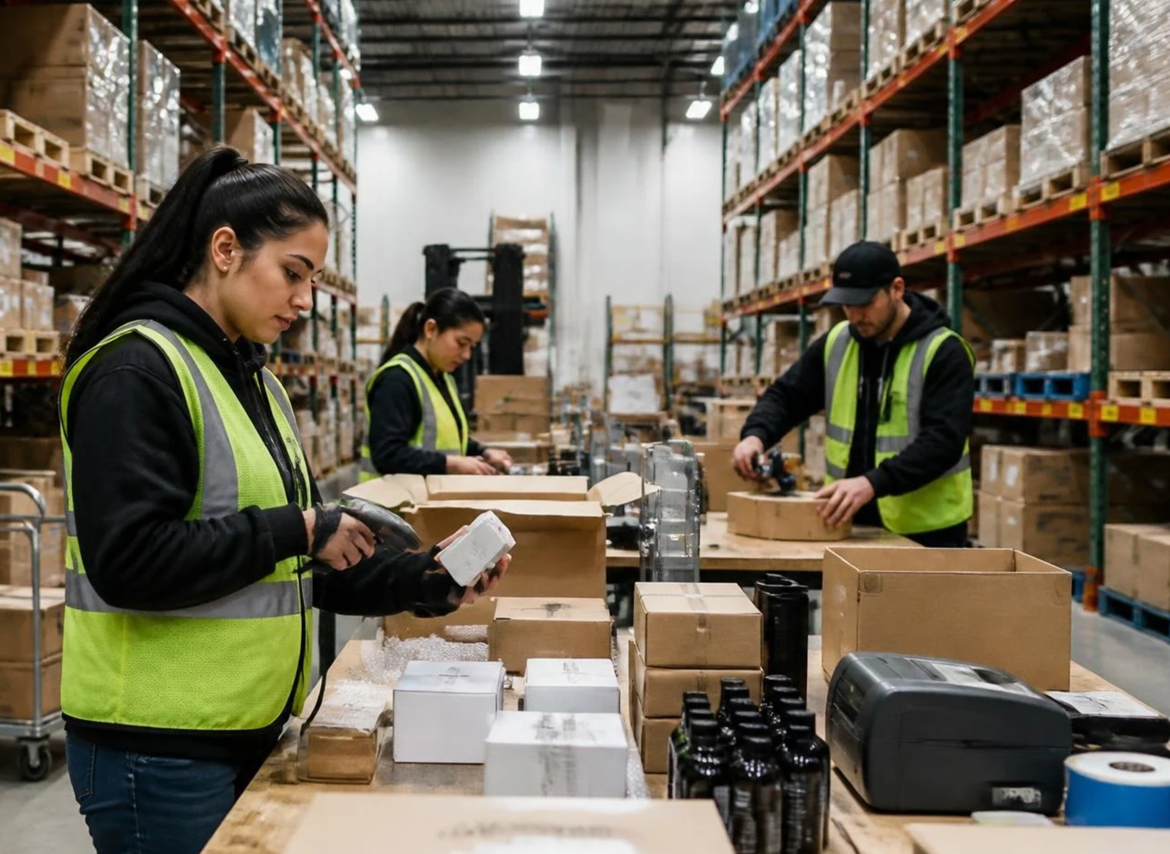
- Pick & pack — accurate, efficient selection and packing of units for shipment, often with customization or kitting.
- Shipping & carrier management — negotiated rates across parcel carriers, label generation, and tracking.
- Branded packaging & inserts — unboxing experience that reinforces your brand.
- Returns management (reverse logistics) — simple returns for consumers and restocking or disposal workflows for sellers.
- Analytics & reporting — KPIs, inventory alerts, and forecasting to avoid stockouts and reduce holding costs.
Benefits of DTC Fulfillment for Growing Brands
Direct-to-Consumer (DTC) Fulfillment delivers tangible benefits that help brands scale:
- Better margins & customer data: Selling direct lets you keep retail margin and capture first-party customer data.
- Faster time-to-customer: Optimized pick/pack and smart carrier routing reduce transit time and increase satisfaction.
- Superior brand experience: Branded unboxing and reliable delivery build trust and repeat purchase.
- Flexibility for promotions: Fast scaling for flash sales, subscription boxes, or limited-edition drops.
- Operational predictability: Standardized fulfillment processes reduce errors and returns.
Fill out the form for a free logistics consultation!

You can contact us directly and schedule your shipment now
Common DTC Fulfillment Models (and which to pick)
Not every brand needs the same fulfillment setup. Common models include:
- In-house fulfillment — great for full control when volumes are low to moderate; expensive as you scale.
- Third-party logistics (3PL) or fulfillment centers — scalable, cost-effective; ideal for brands wanting to outsource logistics.
- Hybrid models — keep flagship SKUs in-house and outsource the rest; useful for transitional growth phases.
- Subscription/Recurring fulfillment partners — specialized for subscription boxes and recurring shipments.
Which model to choose? Use a 3PL like StockandShip.com if you want fast scaling, reliable multi-carrier shipping, marketplace expertise (Amazon/Walmart), and professional returns handling without the capital expenditure of running your own warehouse.
How StockandShip.com Supports DTC Brands — Services & Capabilities
StockandShip.com is built for DTC-first brands and offers the operational toolbox to deliver on fast, accurate, and brand-forward fulfillment:
- E-commerce integrations: Seamless connections to popular platforms so orders flow automatically.
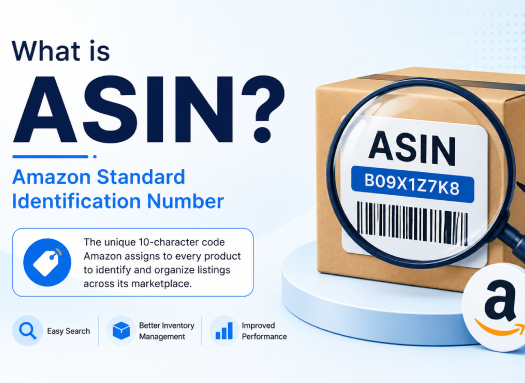
- Amazon FBA prep & multi-channel fulfillment: Prep for FBA or ship direct to consumers from the same inventory pool.
- Walmart fulfillment support: Experience with Walmart’s programs and labeling requirements.
- Inventory storage & warehousing: Secure storage with FIFO/FEFO handling and real-time inventory dashboards.
- Pick, pack & branded packaging: Options for custom inserts, gift wrap, and packaging that align with your brand identity.
- Returns management: Branded returns portal, inspection workflows, and restock or disposal decisions to minimize loss.
- Kitting & subscription fulfillment: Assemble bundles or subscription boxes with accuracy for recurring shipments.
- Transparent reporting: Sales, inventory, and fulfillment KPIs so you can forecast and plan promotions.
StockandShip.com’s combination of marketplace knowledge (Amazon/Walmart prep) and direct fulfillment expertise makes it well-suited to brands that sell across channels and want a single operations partner.

Costs, Pricing Models & What to Expect
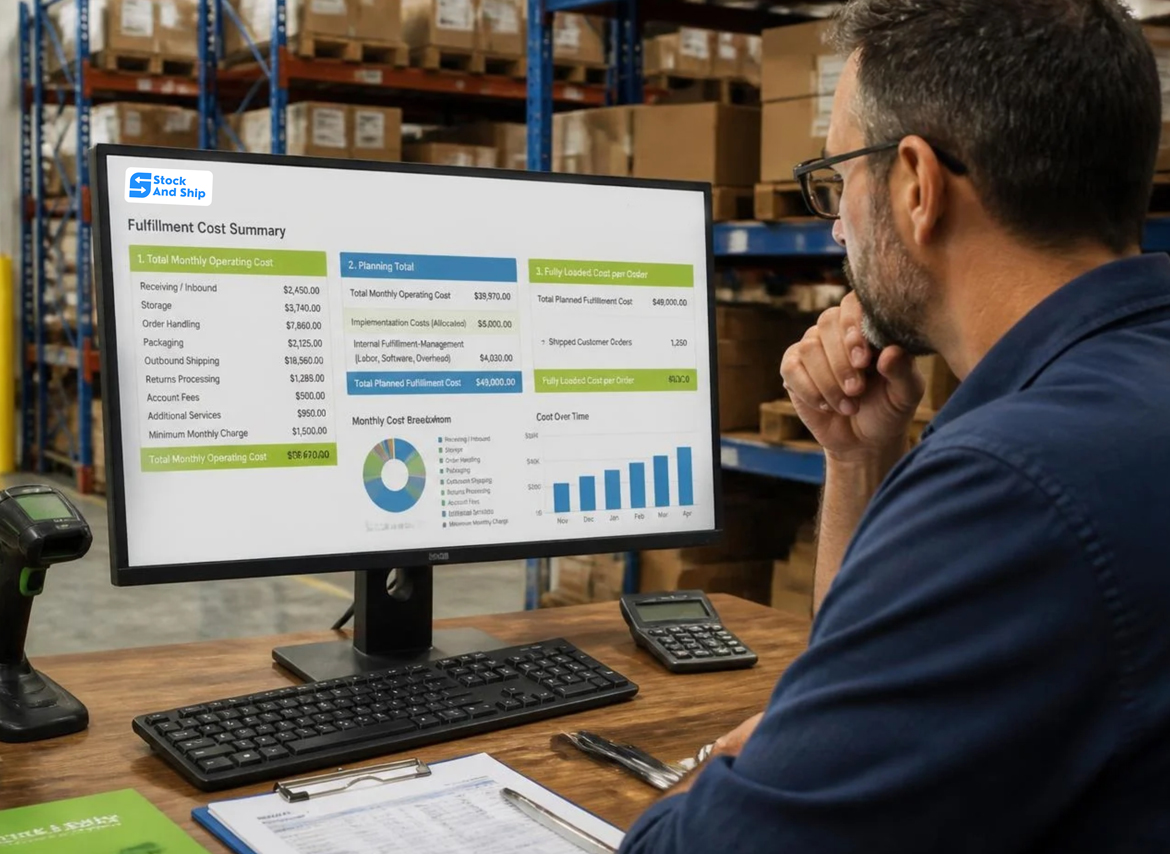
DTC fulfillment costs vary depending on order volume, SKU complexity, packaging, and shipping destinations. Typical cost components include:
- Storage fees — charged per pallet, per cubic foot, or per SKU.
- Pick & pack fees — per order or per item depending on complexity.
- Shipping costs — carrier rates which may be passed through or partially subsidized by your 3PL.
- Receiving & handling — fees for inbound processing, labeling, and quality checks.
- Returns processing fees — per return inspection and disposition.
StockandShip.com typically offers tiered pricing: lower per-unit fees at higher volumes, and bundled packages for brands that require bundled services like kitting or subscription fulfillment. When comparing vendors, look beyond headline fees — examine minimums, hidden surcharges (like long-term storage), and the value of faster transit times or fewer errors.
KPIs Every DTC Brand Should Track
To keep fulfillment healthy and customer experience consistent, monitor these metrics:
- Order accuracy rate — percent of orders shipped without error.
- On-time shipment rate — orders shipped within SLA windows.
- Average fulfillment time — time from order to carrier pickup.
- Return rate & cost per return — proportion of orders returned and cost to process.
- Inventory turnover & stockout frequency — how fast inventory moves and how often you run out.
- Cost per order — all-in fulfillment cost divided by orders in a period.
These KPIs help you optimize packaging, staffing, and inventory levels and identify when to renegotiate carrier terms or change pick strategies.
How to Choose the Right DTC Fulfillment Partner?
Selecting a fulfillment partner is strategic. Use this quick checklist when evaluating options:
- Does the provider integrate with your e-commerce platform and marketplaces?
- Can the provider handle branded packaging, kitting, and subscription shipments?
- What are the real-world SLAs (same-day pick, next-day shipping cutoffs)?
- Are returns handled in a way that protects margin and customer satisfaction?
- Is pricing transparent, and are there scalable discounts as you grow?
- Can they provide references or case studies for brands similar to yours?
StockandShip.com answers these questions by offering clear integrations, marketplace expertise, flexible packaging options, and transparent reporting — helping brands move from startup to scale with minimal logistics friction.
Final Thoughts: Next Steps for Your Brand
Direct-to-Consumer (DTC) Fulfillment is no longer optional for DTC-first brands — it’s core strategy. When you get fulfillment right, you reduce costs, increase customer satisfaction, and create repeat buyers. Evaluate whether to keep fulfillment in-house or partner with a specialist by comparing costs, control, and growth trajectory. If your brand sells across channels (your website, Amazon, Walmart), consolidating fulfillment with a partner like StockandShip.com can unlock operational simplicity, faster delivery, and a better customer experience. Start by auditing current order volume, peak season needs, packaging requirements, and return rates — then map those requirements to a fulfillment partner that offers the integrations, SLAs, and transparency your customers expect.
Frequently Asked Questions (FAQs)
What types of businesses benefit most from Direct-to-Consumer (DTC) Fulfillment?
Any brand selling directly to consumers benefits from DTC fulfillment, especially subscription businesses, DTC native brands, consumer packaged goods (CPG), apparel, electronics, and brands scaling across marketplaces who need consistent multi-channel fulfillment.
How long does it take to set up DTC fulfillment with a 3PL like StockandShip.com?
Onboarding timelines vary with complexity but typically range from 2 to 6 weeks. This includes integration, inventory inbound, test orders, and setting up specific packaging or kitting instructions. Faster timelines are possible for simpler catalogs.
Can I use the same inventory for Amazon FBA and DTC orders?
Yes — many brands use a single inventory pool for multi-channel fulfillment. StockandShip.com supports Amazon FBA prep and multi-channel shipping, allowing you to allocate stock appropriately and prepare shipments to Amazon while also fulfilling DTC orders.
How does branded packaging affect fulfillment cost?
Branded packaging can increase per-order material costs and packing time slightly, but it significantly boosts customer experience and repeat purchase rates. Many 3PLs offer economies of scale on custom materials and efficient packing workflows to minimize cost impact.
What’s the best way to reduce DTC fulfillment costs without sacrificing service?
Focus on improving order accuracy and reducing return rates, optimize package sizes to lower dimensional weight surcharges, consolidate SKUs, negotiate carrier rates based on volume, and partner with a fulfillment provider that offers transparent reporting and volume discounts.