

Introduction
The shift in consumer behavior, rapid digital growth, and the increasing demand for faster deliveries have changed how brands sell. Today, businesses must choose between two major models: the Direct-to-Consumer approach and the traditional retail approach. Both models offer growth potential but differ in cost, control, scalability, and customer experience. Understanding the core differences between Direct to Consumer vs Retail is essential for brands that want to build stronger customer relationships, increase profitability, and scale efficiently. This guide breaks down each model and helps you determine the ideal strategy for your business.
What Is the DTC (Direct-to-Consumer) Model?
The Direct to Consumer model allows brands to sell directly to customers without using wholesalers, distributors, or physical retail stores. Instead, brands rely on their own eCommerce websites, social media, or online marketplaces. This model gives companies full control over branding, pricing, messaging, data collection, and customer experience. In recent years, DTC has exploded in popularity due to lower startup costs, stronger customer relationships, and greater profit margins.
What Is the Traditional Retail Model?
Traditional retail involves selling products through intermediaries like wholesalers, distributors, and retail stores. The brand manufactures or sources the products, then relies on partners to handle sales and sometimes parts of the logistics. Retail includes supermarkets, department stores, pharmacy chains, and specialty shops. This model provides wide visibility, large-scale distribution, and trust among customers who prefer in-store shopping.
Fill out the form for a free logistics consultation!

You can contact us directly and schedule your shipment now
Direct to Consumer vs Retail: Key Differences
The biggest difference between Direct to Consumer vs Retail lies in control, cost, and ownership of the customer relationship. DTC brands manage their entire journey, from marketing to delivery. Retail brands share responsibilities with stores and distributors. DTC allows more flexibility in pricing, product launches, and branding, while retail provides instant market reach and credibility. Another major distinction is data access; DTC brands get complete customer purchase data, while retail brands receive limited insights.
Benefits of Choosing the DTC Model
Brands adopting the DTC model enjoy higher profit margins because they eliminate third-party middlemen. They also benefit from direct customer relationships, enabling better personalization, targeted marketing, and optimized product development. DTC gives businesses the ability to track every action customers take on their website, allowing them to tailor offers and improve retention. DTC startups often find this model more cost-effective because they don’t need to invest in physical stores or expensive retail partnerships. Brands can quickly test new products, run flash sales, and pivot strategies without relying on store approvals or distributor timelines.
Another major benefit is the opportunity to build a strong brand identity. When you control the entire experience, everything from packaging to shipping speed represents your brand. Modern shoppers value this emotional connection. Since DTC brands can quickly adopt automation, subscription models, and influencer-driven marketing, they often scale faster than retail-focused brands.
Benefits of Choosing Traditional Retail
Traditional retail still dominates many industries due to its reliable distribution and high volume potential. Retail stores allow customers to see, touch, and trust products before buying. This physical presence builds credibility and increases spontaneous purchases. Retail shelves give brands instant visibility, allowing them to reach thousands of customers daily without investing heavily in digital marketing.
Retail partnerships also reduce operational responsibilities for the brand. Inventory management, warehousing, and sales are shared across multiple partners. This allows brands to focus on production while retailers handle merchandising and store-level promotions. For businesses with mass-market products—like household goods, health products, or food items—retail can generate quicker and larger sales volumes than online DTC channels.

Direct to Consumer vs Retail: Which One Fits Your Business?
Choosing between DTC and retail depends on your product type, budget, customer preferences, and long-term goals. If your business wants direct control, stronger brand identity, and higher long-term profitability, DTC is the right choice. It works best for niche, lifestyle, fashion, beauty, technology, and subscription-based products. The flexibility and personalization offered by DTC give brands a competitive edge in the digital age.
However, if your target customers prefer in-store shopping or if you need rapid market penetration, retail may be better. Retail works well for fast-moving consumer goods and products that customers want to examine physically. The support from retail partners reduces some operational complexity, making it ideal for brands that want to focus on manufacturing or sourcing.
Many successful companies combine both models to maximize growth. They use DTC for branding and customer engagement while relying on retail for mass distribution. This hybrid approach allows brands to scale efficiently while maintaining strong customer connections.
The Role of Fulfillment Partners Like Stock and Ship
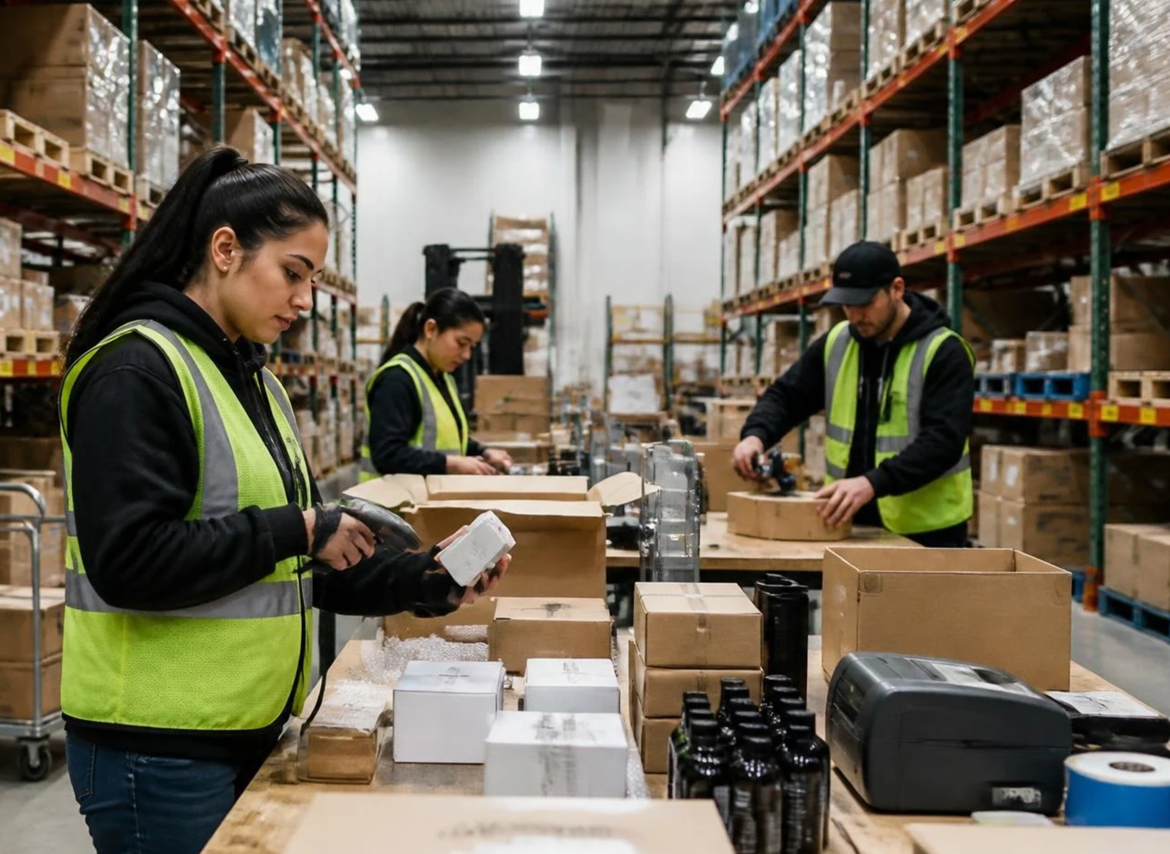
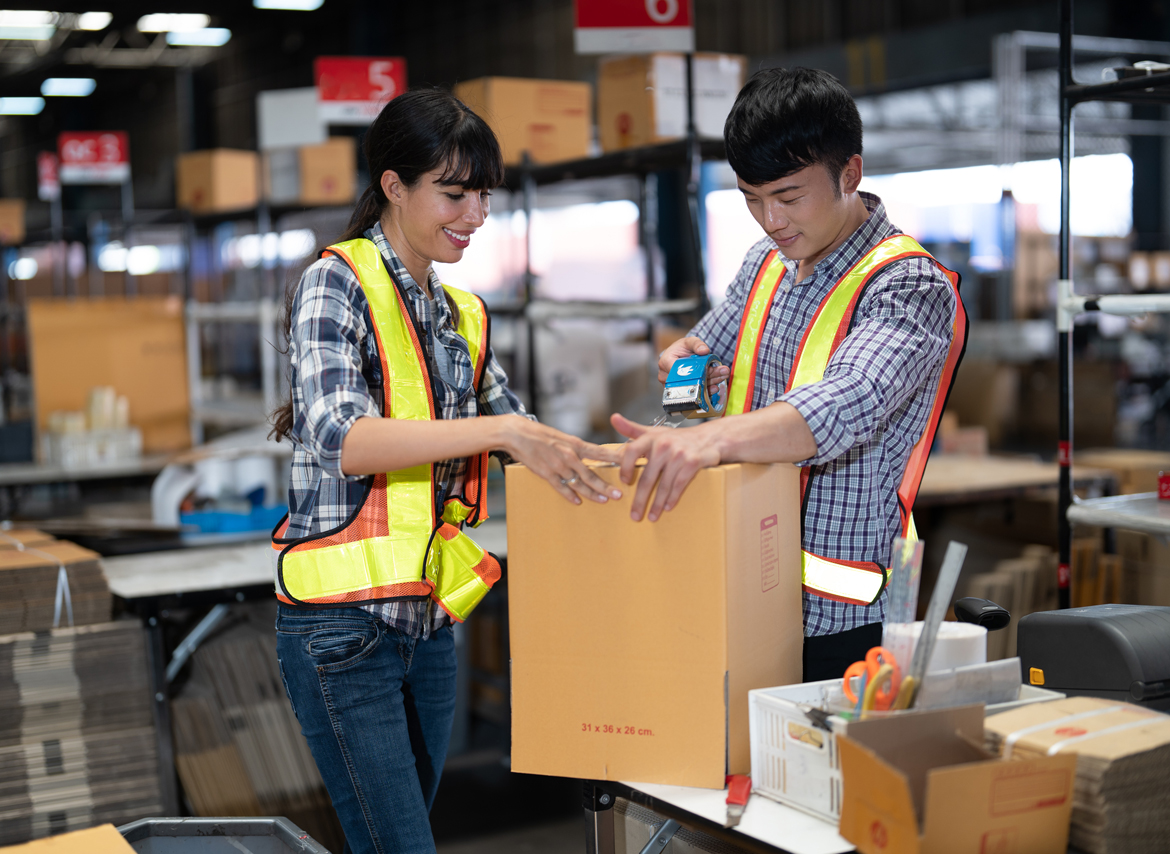
Whether your business follows a DTC structure or a retail model, fulfillment plays a crucial role in customer satisfaction and growth. Stock and Ship helps businesses streamline warehouse management, order fulfillment, shipping, returns, and inventory storage. For DTC brands, fast fulfillment and accurate packaging are essential to maintaining customer trust. A reliable fulfillment partner ensures products reach customers quickly and safely.
For retail-focused businesses, Stock and Ship manages bulk shipments, labeling, FBA prep, palletizing, and logistics coordination. This helps brands stay compliant with retailer requirements while cutting operational delays. Stock and Ship also supports hybrid businesses that want to operate both online and in retail. Its scalable infrastructure allows brands to expand without worrying about storage or delivery constraints, making it easier to match modern consumer expectations.
Final Thoughts
The debate between Direct to Consumer vs Retail is not about which model is better—it’s about which model aligns with your business vision. DTC offers control, stronger branding, and long-term profitability, while retail provides instant exposure and broad market access. Understanding the strengths of both models helps you make smart decisions that support sustainable growth.
With a fulfillment partner like Stock and Ship, you can confidently scale in whichever direction your business chooses. Whether you’re shipping individual customer orders or preparing bulk shipments for retailers, the right logistics support ensures your operations remain smooth, efficient, and ready for expansion.
Frequently Asked Questions (FAQs)
What is the main difference between DTC and retail?
DTC involves selling directly to customers online, while retail involves selling through stores and distributors. DTC gives you full control, whereas retail provides mass visibility.
Is DTC more profitable than retail?
Yes. DTC eliminates middlemen, allowing brands to keep higher profit margins. However, it also requires strong marketing and fulfillment capabilities.
Can a business follow both DTC and retail models?
Absolutely. Many brands use both models to reach wider audiences while maintaining direct engagement with customers.
Why is fulfillment important in the DTC model?
Fast and accurate delivery directly influences customer satisfaction. Fulfillment partners like Stock and Ship help maintain reliability and speed.
What industries benefit most from DTC?
Fashion, beauty, electronics, lifestyle brands, and subscription-based products often perform exceptionally well with the DTC model.