


Listen This Article
Introduction: Why Fulfillment Is the New Growth Engine
In today’s competitive eCommerce environment, product quality and pricing alone are not enough to secure customer loyalty. Modern consumers expect fast shipping, accurate deliveries, real-time tracking, seamless returns, and a premium unboxing experience. Brands that fail to meet these expectations often lose customers after just one purchase.
This is where DTC fulfillment strategies play a transformative role. Smart fulfillment is no longer just an operational function—it has become a growth strategy that directly impacts customer retention, brand perception, and profitability. When brands invest in efficient direct-to-consumer fulfillment, they create smooth post-purchase experiences that build trust and encourage repeat business.
Repeat customers DTC brands rely on are significantly more profitable than first-time buyers. They spend more, convert faster, and become brand advocates. In this blog, we’ll explore how strategic fulfillment planning helps brands increase customer retention and turn one-time buyers into loyal, long-term supporters.
The Connection Between DTC Fulfillment Strategies and Customer Retention
Customer acquisition costs continue to rise across digital platforms. That’s why brands are shifting focus toward retention. The logic is simple: keeping an existing customer costs far less than acquiring a new one.
Effective DTC fulfillment strategies directly influence whether customers return. When a customer places an order, the fulfillment process becomes the most tangible interaction with your brand. A late delivery, damaged package, or confusing return process can undo even the strongest marketing efforts.
Direct-to-consumer fulfillment allows brands to control the entire customer journey. Unlike marketplace-based selling, DTC gives businesses ownership over shipping speed, packaging, communication, and service quality. This level of control enables brands to create consistent and reliable experiences.
Retention improves when customers experience:
- Fast and predictable delivery
- Accurate order processing
- Real-time tracking updates
- Professional packaging
- Easy return procedures
When fulfillment aligns with customer expectations, satisfaction increases. Satisfaction builds trust. Trust creates loyalty. And loyalty drives repeat customers DTC brands depend on for long-term growth.
Speed, Accuracy, and Transparency in Direct-to-Consumer Fulfillment
Speed is one of the strongest drivers of customer loyalty. Today’s buyers expect quick deliveries—often within two to three days. If your brand cannot meet these expectations, customers may turn to competitors.
Strategic warehouse placement, regional fulfillment centers, and optimized inventory distribution help reduce shipping times. Smart DTC fulfillment strategies use data to forecast demand and position stock closer to customers. This reduces transit time and improves delivery consistency.
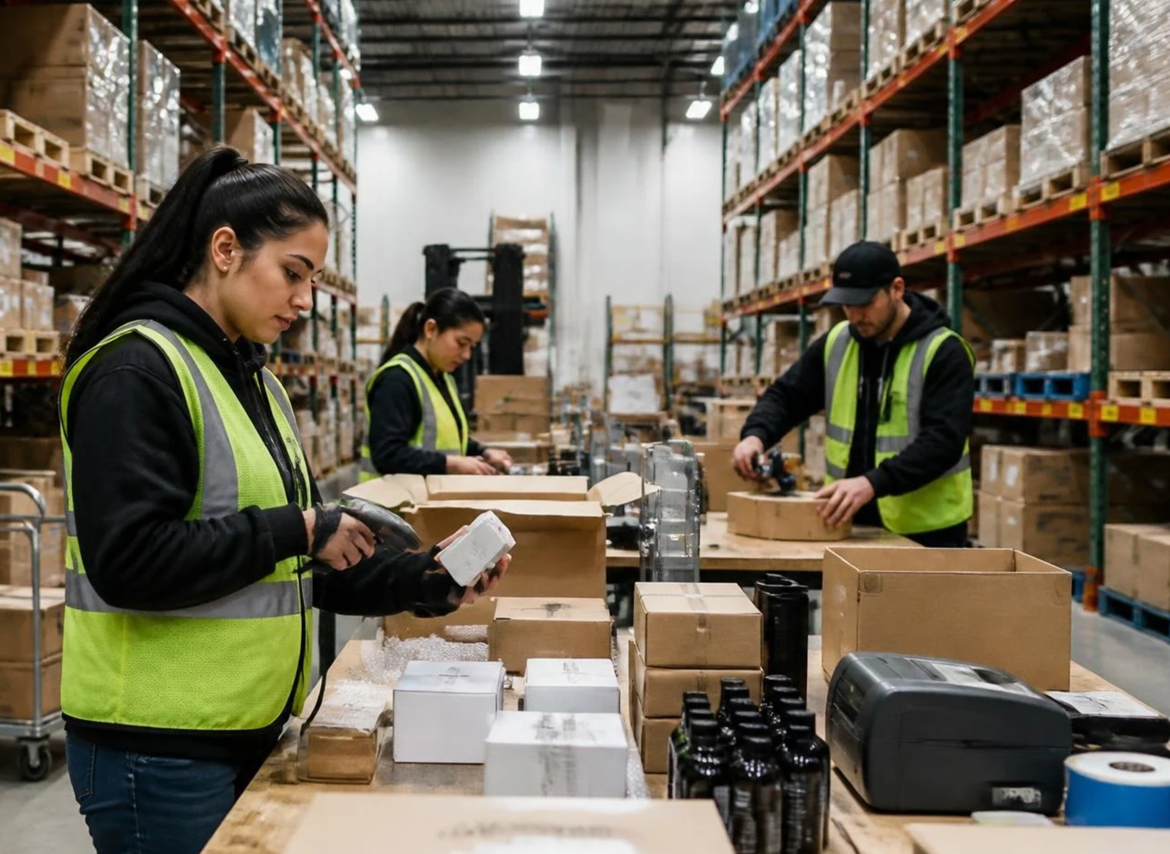
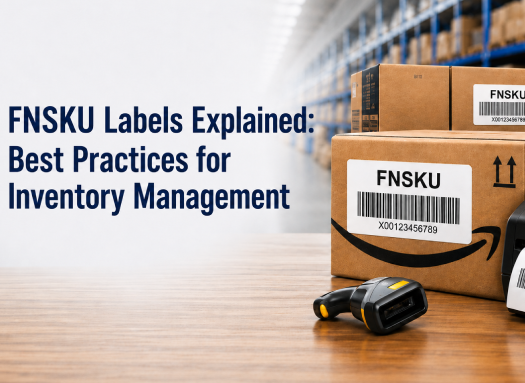
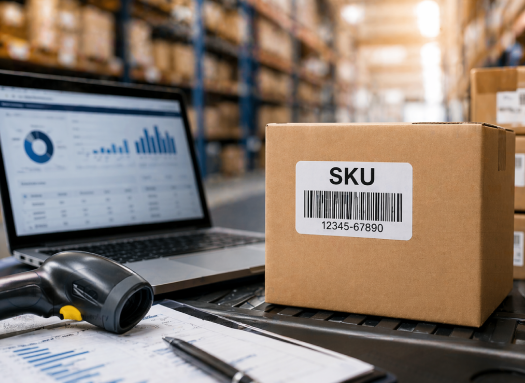
Accuracy is equally important. Shipping the wrong product or incorrect quantity damages trust. Advanced order management systems and barcode scanning reduce human errors and ensure precise order picking and packing.
Transparency also strengthens retention. Customers want visibility into their order status. Automated tracking updates, proactive delay notifications, and clear communication reduce anxiety and build confidence in your brand.
Direct-to-consumer fulfillment that prioritizes speed, accuracy, and transparency creates dependable experiences. Dependability encourages customers to purchase again without hesitation.
Fill out the form for a free logistics consultation!

You can contact us directly and schedule your shipment now
Personalization and Packaging: Turning Orders into Experiences
In the DTC world, packaging is more than protection—it is a marketing opportunity. Every delivery is a brand touchpoint.
Smart DTC fulfillment strategies integrate branding into the fulfillment process. Customized boxes, eco-friendly materials, branded inserts, thank-you notes, and discount codes transform routine deliveries into memorable experiences.
Personalization further strengthens customer relationships. Including personalized messages, product recommendations based on purchase history, or loyalty rewards inside the package shows customers they are valued.
Unboxing experiences often get shared on social media. Positive user-generated content enhances brand credibility and attracts new customers organically.
Moreover, repeat customers DTC brands nurture through personalized fulfillment feel emotionally connected to the brand. Emotional connection significantly increases lifetime value and purchase frequency.
When direct-to-consumer fulfillment aligns with brand identity, customers remember the experience—not just the product.
Technology, Automation, and Data-Driven Optimization
Modern fulfillment is powered by technology. Automation and data analytics are essential components of effective DTC fulfillment strategies.
Order management systems (OMS), warehouse management systems (WMS), and AI-driven demand forecasting tools reduce manual intervention and improve operational efficiency. Automation speeds up order processing and minimizes errors, which directly improves customer satisfaction.
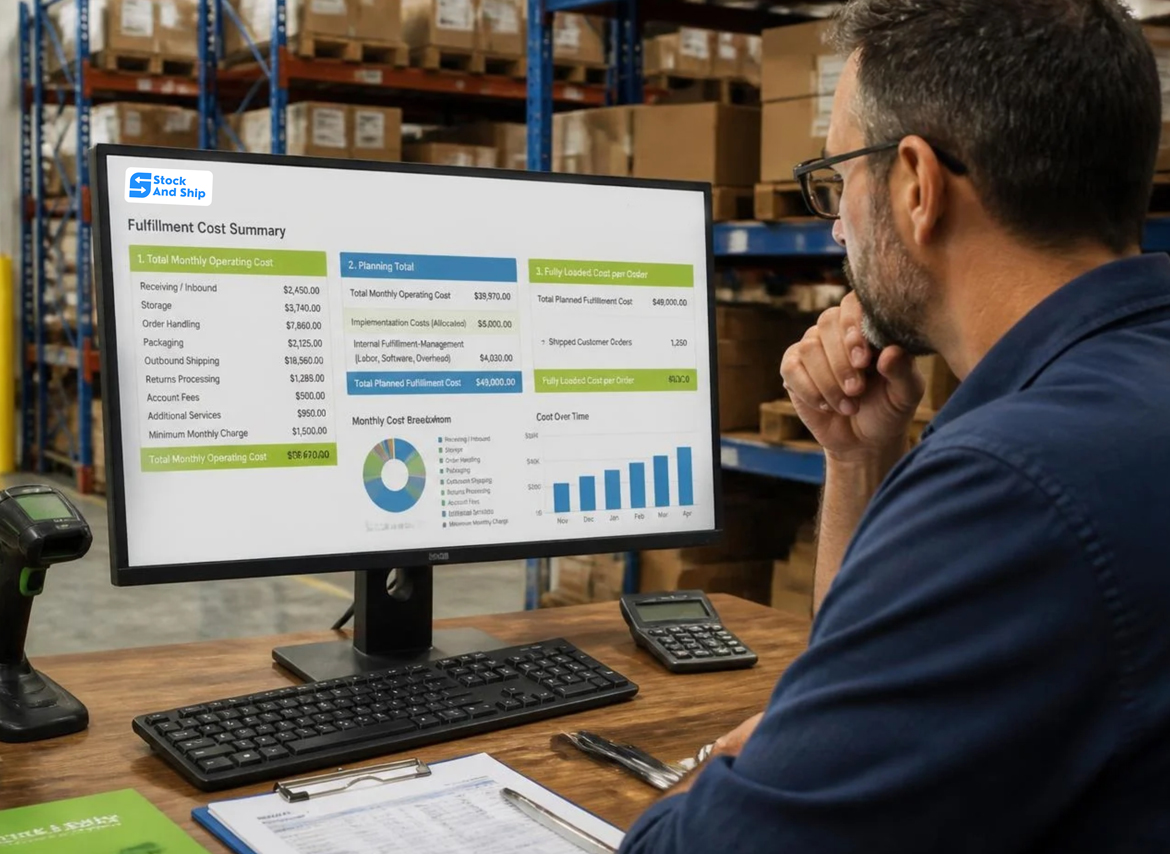
Data insights allow brands to monitor performance metrics such as delivery time, return rates, order accuracy, and customer feedback. These insights help identify bottlenecks and areas for improvement.
For example, if analytics show higher delivery delays in certain regions, brands can adjust carrier partnerships or redistribute inventory accordingly.
Brands scaling their operations often rely on expert partners for streamlined fulfillment. Working with professional providers offering comprehensive fulfillment solutions for growing eCommerce brands ensures operational stability while maintaining high service standards.
Technology-driven direct-to-consumer fulfillment enables businesses to scale without sacrificing quality. And consistent quality builds repeat customers DTC brands can depend on for sustained revenue growth.

Returns Management and Post-Purchase Engagement
A complicated return process discourages customers from buying again. On the other hand, a simple and transparent return system builds trust—even when products don’t meet expectations.
Smart DTC fulfillment strategies treat returns as an opportunity rather than a loss. Easy return labels, quick refunds, and clear policies reduce friction and increase buyer confidence.
Customers are more likely to purchase when they know returns are hassle-free. A smooth returns experience often converts dissatisfied buyers into loyal repeat customers DTC businesses value highly.
Post-purchase engagement also plays a crucial role. Sending follow-up emails, requesting feedback, offering loyalty points, or providing exclusive discounts encourages customers to stay connected with the brand.
Direct-to-consumer fulfillment doesn’t end at delivery. It extends into the entire post-purchase journey. Brands that nurture customers after the sale build stronger relationships and higher retention rates.
Frequently Asked Questions (FAQs)
What are DTC fulfillment strategies?
DTC fulfillment strategies refer to structured logistics approaches used by direct-to-consumer brands to manage inventory, process orders, ship products, and handle returns efficiently while enhancing customer experience.
How do DTC fulfillment strategies help increase repeat customers?
They improve delivery speed, accuracy, communication, and post-purchase experience, which builds trust and encourages customers to buy again.
Why is direct-to-consumer fulfillment important for brand loyalty?
Direct-to-consumer fulfillment allows brands to control packaging, shipping, and service quality, ensuring consistent experiences that strengthen customer relationships.
What role does personalization play in repeat customers DTC growth?
Personalized packaging, targeted recommendations, and loyalty rewards create emotional connections that increase customer lifetime value.
How can brands optimize their DTC fulfillment strategies?
Brands can leverage automation, data analytics, regional warehousing, and professional fulfillment partners to streamline operations and improve customer satisfaction.
Final Thoughts: Fulfillment as a Competitive Advantage
In the evolving eCommerce landscape, fulfillment is no longer just logistics—it is strategy.
Smart DTC fulfillment strategies directly influence customer satisfaction, loyalty, and profitability. By prioritizing speed, accuracy, personalization, technology, and seamless returns, brands create experiences that customers want to repeat.
Repeat customers DTC brands cultivate are the foundation of sustainable growth. They generate predictable revenue, reduce acquisition costs, and amplify brand reputation through referrals and reviews.
Direct-to-consumer fulfillment gives brands full control over the customer experience. When that control is used strategically, fulfillment becomes a powerful driver of retention and long-term success.
Businesses that invest in smarter fulfillment today position themselves for stronger customer loyalty tomorrow.