


Table of Contents
- Introduction
- What Is Inventory Management in eCommerce?
- Why Inventory Management Matters in eCommerce?
- Key Features of an Inventory Management System for eCommerce
- How Smart Inventory Management Boosts Profitability?
- Common Challenges Without an Inventory Management System
- How to Choose the Right Inventory Management System?
- Best Practices for Effective Inventory Management
- Future Trends in Inventory Management
- Frequently Asked Questions (FAQs)
- Final Thoughts
Introduction
In today’s fast-paced and highly competitive digital marketplace, running a successful eCommerce business requires more than just quality products and attractive pricing. Behind every seamless customer experience lies a well-structured operational backbone—and inventory management sits at its core.
An inefficient inventory process can silently drain profits, disrupt order fulfillment, and damage customer trust. On the other hand, a well-implemented Inventory Management System for eCommerce can completely transform how businesses operate, scale, and compete.
Modern sellers are no longer relying on spreadsheets or manual tracking. Instead, they are embracing smart Inventory Management powered by automation, real-time analytics, and intelligent forecasting. Whether you’re a startup or an established brand, adopting the right Inventory Management System can help you reduce costs, increase efficiency, and deliver a superior customer experience.
Let’s explore how this powerful system can redefine your eCommerce success.
What Is Inventory Management in eCommerce?
Inventory management refers to the process of tracking, storing, and controlling stock throughout the supply chain—from procurement to order fulfillment.
Based on real-world operations in fulfillment environments, businesses that implement structured inventory systems reduce errors by up to 40–60% compared to manual processes. This improvement alone significantly enhances customer satisfaction and operational efficiency.
A modern Inventory Management System goes beyond basic tracking. It integrates automation, analytics, and real-time data to help businesses make smarter decisions.
Why Inventory Management Matters in eCommerce?
Inventory is more than just stored products—it represents your investment, your ability to fulfill orders, and your brand’s reliability. Poor inventory control can quickly lead to operational chaos.
A robust Inventory Management System for eCommerce ensures visibility, accuracy, and control over every unit of stock. It bridges the gap between supply and demand while keeping operations smooth and predictable.
Here’s why inventory management is essential:
-
Prevents Stockouts & Lost Sales
When products go out of stock unexpectedly, customers turn to competitors, resulting in missed revenue opportunities. -
Reduces Overstocking Risks
Holding excess inventory increases storage costs and ties up capital that could be used elsewhere. -
Improves Order Accuracy
Automated systems reduce picking and packing errors, ensuring customers receive the right products. -
Supports Omnichannel Selling
Manage inventory across multiple platforms like your website, marketplaces, and retail stores seamlessly. -
Enhances Customer Trust
Reliable stock availability and timely deliveries build long-term customer relationships.
With increasing demand for faster delivery and transparency, businesses cannot afford to operate without a reliable Inventory Management System.
Fill out the form for a free logistics consultation!

You can contact us directly and schedule your shipment now
Key Features of an Inventory Management System for eCommerce
To truly unlock growth, your system must go beyond basic tracking. A modern Inventory Management System for eCommerce includes advanced features that streamline operations and improve decision-making.
Must-Have Features:
-
Real-Time Inventory Tracking
Get instant updates on stock levels across all warehouses and sales channels. -
Automated Inventory Syncing
Eliminate discrepancies by automatically updating stock levels after every sale or return. -
Order & Fulfillment Integration
Connect inventory directly with order processing to ensure accurate and fast fulfillment. -
Demand Forecasting & Analytics
Use historical data and trends to predict future demand and optimize stock levels. -
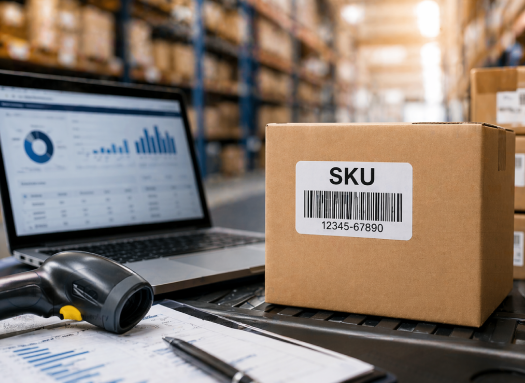
Barcode and SKU Management
Improve warehouse accuracy and speed with efficient product identification systems. -
Multi-Warehouse Management
Track and manage inventory across multiple locations from a single dashboard. -
Low Stock Alerts & Reordering Automation
Stay ahead of shortages with automatic alerts and reorder triggers. -
Returns Management Integration
Efficiently handle returned products and reintegrate them into inventory.
These features form the backbone of smart Inventory Management; by using advanced forecasting tools, businesses can often reduce excess inventory by 20–30%, improving both storage efficiency and cash flow.
How Smart Inventory Management Boosts Profitability?
Implementing a powerful Inventory Management System directly impacts your profitability by improving efficiency and reducing unnecessary costs.
A well-optimized system allows businesses to shift from reactive operations to proactive decision-making.
Key Benefits:
-
Lower Operational Costs:
Automation reduces the need for manual labor and minimizes costly errors. -
Optimized Inventory Levels:
Maintain the perfect balance between supply and demand, reducing waste and storage expenses. -
Faster Order Processing:
Streamlined workflows ensure quicker picking, packing, and shipping. -
Improved Cash Flow Management:
Avoid over-investing in inventory and allocate resources more strategically. -
Data-Driven Decisions:
Access actionable insights to identify best-selling products and seasonal trends. -
Enhanced Customer Experience:
Accurate stock information and timely deliveries increase customer satisfaction and loyalty.
In fulfillment operations, businesses that transition from manual tracking to automated systems often see measurable ROI within the first 3–6 months due to improved efficiency and reduced losses.
Common Challenges Without an Inventory Management System
Many eCommerce businesses underestimate the risks of operating without a structured system—until problems start affecting revenue and customer experience.
Without a proper Inventory Management System for eCommerce, businesses often face:
Major Challenges:
-
Manual Tracking Errors
Spreadsheets and manual updates increase the risk of inaccuracies. -
Lack of Real-Time Visibility
Businesses struggle to track stock levels across different channels and warehouses. -
Overselling or Underselling
Inconsistent data leads to incorrect stock availability on sales platforms. -
Delayed Order Fulfillment
Inefficient processes slow down shipping and delivery timelines. -
Poor Demand Forecasting
Without analytics, businesses cannot anticipate trends or seasonal demand. -
Increased Operational Costs
Inefficiencies lead to higher labor, storage, and logistics expenses. -
Customer Dissatisfaction
Stock issues and delayed deliveries damage brand reputation.
According to industry data, inventory inaccuracies can reduce overall business revenue by up to 10%, highlighting the importance of structured systems.
How to Choose the Right Inventory Management System?
Selecting the right system is a strategic decision that can shape your business growth. Not all solutions are built the same, so it’s important to evaluate your needs carefully.
When choosing an Inventory Management System for eCommerce, consider the following factors:
-
Scalability
Ensure the system can handle increased order volume and expanding product lines. -
Seamless Integration
It should integrate with your eCommerce platforms, payment systems, and logistics partners. -
Ease of Use
A user-friendly interface ensures quick adoption by your team. -
Automation Capabilities
Look for features that reduce manual workload and improve efficiency. -
Advanced Reporting & Analytics
Access detailed insights to make informed business decisions. -
Customization Options
The system should adapt to your specific workflows and business model. -
Reliable Customer Support
Timely assistance is essential to resolve technical issues quickly. -
Cost vs Value
Evaluate the return on investment rather than just the upfront cost.
Businesses should prioritize systems that offer real-time synchronization and multi-channel support, as these features are essential for modern eCommerce operations.

Best Practices for Effective Inventory Management
Implementing a system is only the first step. To maximize its benefits, businesses should follow proven strategies.
Proven Strategies
- Conduct regular inventory audits
- Use ABC analysis to prioritize high-value products
- Set safety stock levels to prevent stockouts
- Optimize warehouse layout for faster picking
- Monitor inventory turnover rates
- Leverage data analytics for forecasting
These practices ensure long-term efficiency and consistent performance.
Future Trends in Inventory Management
The future of inventory management is driven by technology and automation.
Emerging Trends
-
AI-Powered Forecasting
Predict demand with higher accuracy using machine learning. -
Automation & Robotics
Speed up warehouse operations and reduce manual errors. -
Cloud-Based Systems
Enable real-time access from anywhere. -
IoT Integration
Track inventory movement in real time using smart devices. -
Omnichannel Optimization
Unified systems for seamless cross-platform selling.
Businesses that adopt these technologies early gain a significant competitive advantage.
Frequently Asked Questions (FAQs)
What is an Inventory Management System for eCommerce?
An Inventory Management System for eCommerce is a software solution that helps businesses track, manage, and optimize inventory in real time across multiple sales channels.
How does an Inventory Management System improve business performance?
It enhances accuracy, automates processes, reduces costs, and ensures faster order fulfillment, leading to improved overall efficiency.
What is smart Inventory Management?
Smart Inventory Management uses automation, data analytics, and forecasting tools to optimize inventory levels and streamline operations.
Can an Inventory Management System support multi-channel selling?
Yes, it synchronizes inventory across multiple platforms, preventing overselling and ensuring consistent stock data everywhere.
Is an Inventory Management System suitable for small businesses?
Absolutely. Small businesses can benefit from improved efficiency, reduced errors, and scalable growth with the right system in place.
Final Thoughts
In the ever-evolving eCommerce landscape, operational efficiency is the key to staying competitive. A powerful Inventory Management System for eCommerce transforms how businesses manage stock, fulfill orders, and serve customers.
By adopting smart Inventory Management, businesses can eliminate inefficiencies, reduce costs, and unlock new growth opportunities. From real-time tracking to predictive analytics, the right system empowers you to make smarter decisions and deliver exceptional customer experiences.
As competition continues to rise, investing in an advanced Inventory Management System is no longer optional—it’s a necessity. Businesses that embrace this transformation will not only survive but thrive in the digital marketplace.