

Introduction
Amazon’s fulfillment infrastructure has dramatically reshaped the modern eCommerce landscape. Today, millions of sellers rely on Amazon FBA to deliver fast shipping, maintain accurate inventory tracking, and provide reliable customer service. At the heart of this system are Amazon Fulfillment Centers—high-tech warehouses designed to store, process, and ship products with unmatched speed and efficiency.
For sellers aiming to lower operational costs and scale faster, using a tax free Amazon fulfillment service has become a major advantage. By leveraging tax-advantaged storage locations, sellers can reduce expenses, increase profit margins, and optimize their supply chain.
This guide explains everything sellers need to know—from how fulfillment centers operate to how tax-free services and FBA prep centers can elevate business performance.
What Is an Amazon Fulfillment Center?
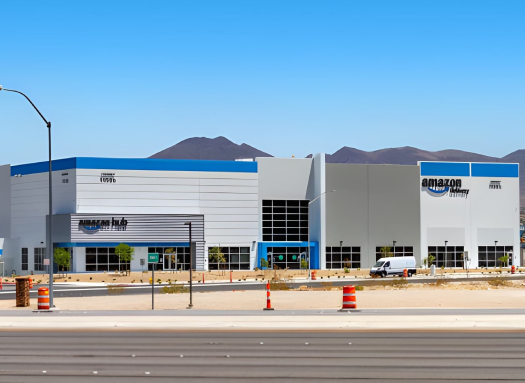
An Amazon Fulfillment Center is a large, technologically advanced warehouse where Amazon stores, organizes, and ships inventory on behalf of third-party sellers. Inside these facilities, thousands of workers and automated systems work together to:
- Receive inventory
- Assign storage locations
- Manage stock levels
- Pick and pack customer orders
- Ship packages through Amazon’s delivery network
- Handle returns & customer inquiries
With fulfillment centers located across multiple countries, Amazon ensures fast delivery, reduced shipping costs, and improved buyer satisfaction — all without requiring sellers to manage a warehouse of their own.
How Amazon Fulfillment Centers Work?
1. Forward Stock to Amazon
Every FBA journey begins with preparing and forwarding inventory to Amazon.
Key steps include:
- Preparing Products Correctly: Items must meet Amazon’s strict labeling, packaging, and safety guidelines.
- Using an Amazon FBA Prep Service: Many sellers outsource product prep to professional centers that handle labeling, poly-bagging, kitting, bundling, inspections, and more.
- Shipping Inventory: After preparation, products are shipped to one or multiple fulfillment centers assigned automatically by Amazon.
Sellers using a tax free Amazon fulfillment service can forward stock to tax-advantaged states, helping reduce overall expenses.
2. Inventory Storage & Management
Once inventory arrives, Amazon scans, sorts, and assigns each unit to a storage bin. Automated systems then monitor stock levels, expiration dates, SKUs, and demand forecasts.
What happens inside the warehouse:
- Robots transport shelves to workers for faster picking.
- AI monitors inventory flow to optimize restocking.
- Sellers receive alerts when restocking is required.
- Seasonal demand patterns are automatically analyzed.
Sellers storing inventory in states offering tax-free advantages often experience lower carrying costs and improved profit margins.
3. Order Processing & Shipping
Amazon’s order processing workflow is designed to deliver unmatched speed.
When a customer purchases a product:
- The item is picked from its assigned storage location.
- It is packed using Amazon’s standard protective packaging.
- The order is shipped using Amazon’s massive logistics network — including Prime one-day or two-day delivery.
- Customers receive live tracking and automated notifications.
Amazon’s efficient system ensures minimal errors, faster handling, and a better customer experience that leads to higher sales.
4. Returns & Customer Service
One of the biggest reasons sellers choose FBA is hassle-free returns management.
Amazon handles everything:
- Customer returns through the Amazon portal
- Inspection of returned items
- Restocking, refurbishment, or disposal
- Refund processing
- Customer support for delivery issues
This reduces the workload on sellers and builds strong buyer trust.
Fill out the form for a free logistics consultation!

You can contact us directly and schedule your shipment now
Benefits of Using Amazon Fulfillment Centers
Using Amazon FBA gives sellers multiple operational, strategic, and financial advantages:
-
Faster & More Reliable Shipping
Amazon’s Prime shipping options significantly improve conversion rates and customer satisfaction.
-
Cost Savings Through Scale
Amazon negotiates deeply discounted carrier rates, enabling sellers to save on logistics costs.
-
Opportunity to Leverage Tax-Free Fulfillment
Storing products via a tax free Amazon fulfillment service helps sellers reduce or avoid sales tax on stored inventory.
-
Enhanced Buyer Trust
Prime badge products convert more, receive more visibility, and are favored by customers.
-
Less Operational Complexity
Amazon manages warehousing, staffing, customer service, and returns so sellers can focus on growth.
-
Support for Scaling Businesses
With logistics handled, sellers can expand product lines, target more marketplaces, and scale without infrastructure limitations.
How a Tax Free Amazon Fulfillment Service Helps Sellers Save More?
A tax free Amazon fulfillment service allows sellers to store inventory in states with no sales tax, resulting in:
- Lower storage-related taxes
- Greater profit margins
- Reduced operational overhead
- Cost-efficient scaling for high-volume sellers
States like Oregon, Montana, Delaware, and New Hampshire are commonly used for tax-advantaged storage. This strategy is especially helpful for sellers with large or fast-moving SKUs.
When combined with FBA prep centers located in tax-free states, sellers can benefit from both compliance and financial optimization.
Maximizing Performance with Amazon FBA Prep Services
Amazon’s packaging, labeling, and compliance rules are strict. To avoid delays, rejections, or penalties, many sellers rely on FBA prep services.
Core FBA Prep Services Include:
- Inspection & Quality Control: Ensures defective units don’t reach Amazon.
- Labeling & Barcoding: Prevents shipment rejections and delays.
- Poly Bagging & Sealing: Protects fragile or loose products.
- Kitting & Bundling: Helps sellers create multi-packs or gift sets.
- Custom Packaging: Improves branding and product presentation.
Partnering with a professional prep center — particularly one offering tax free Amazon fulfillment service benefits — ensures faster turnaround, fewer errors, and optimized costs.

How to Get Started with Amazon Fulfillment Centers?
-
Register as an Amazon Seller
Create a Seller Central account and enroll in Fulfillment by Amazon (FBA).
-
Choose the Right Fulfillment Strategy
Understand your product’s demand, size, storage needs, and sales volume before selecting a fulfillment center region.
-
Take Advantage of Tax-Free Fulfillment Options
Analyze your cost structure and store inventory in tax-advantaged states when possible.
-
Partner with an FBA Prep Service
Let experts handle product preparation to ensure compliance and reduce rejections.
-
Monitor Performance Metrics
Track stock levels, returns, shipping fees, inventory health, and sales trends to optimize profitability.
Final Thoughts
Amazon Fulfillment Centers play a pivotal role in helping sellers scale efficiently. From seamless inventory management to Prime-ready shipping, Amazon handles the heavy lifting so sellers can focus on growing their brand. By combining FBA with a tax free Amazon fulfillment service and reliable FBA prep support, sellers can significantly reduce costs, improve operational efficiency, and increase profitability.
Understanding how fulfillment centers operate — and leveraging tax-free advantages — gives sellers a competitive edge in today’s fast-paced eCommerce market. With the right strategy, tools, and partners, you can unlock the full potential of Amazon FBA and build a scalable, profitable business.
Frequently Asked Questions (FAQs)
What is a tax free Amazon fulfillment service?
It is a service that stores inventory in states with no sales tax, enabling sellers to reduce storage-related tax expenses and improve profitability.
How long does Amazon take to receive inventory?
Most shipments are checked in within 3–7 days, depending on warehouse workload and seasonality.
Do I need an FBA prep center to use Amazon FBA?
Not required, but highly recommended. Prep centers ensure compliance, reduce errors, and save significant time.
Can Amazon fulfillment centers handle fragile products?
Yes. Amazon provides specific packaging guidelines for fragile items, and sellers can use prep services for added protection.
Is tax-free inventory storage legal?
Yes. Storing products in states with no sales tax is fully legal and widely used by high-volume sellers to cut costs.