

Introduction
Properly handling warehouse materials is one of the biggest factors that determine operational efficiency, productivity, and workplace safety. Whether a warehouse deals with delicate goods, bulky machinery, or fast-moving inventory, the right material handling practices help reduce damage, prevent delays, minimize labor costs, and streamline the entire supply chain.
As customer expectations grow and order volumes increase, warehouses must move beyond basic manual practices to adopt smarter systems, modern technology, and well-structured processes. This guide explains how to handle warehouse material more effectively by optimizing layout, adopting the right equipment, using automation, and maintaining proper safety and organizational standards. These strategies help create a warehouse that operates smoothly, saves time, and delivers consistent results.
Why Efficient Warehouse Material Handling Matters?
Material handling is not just about moving items from one point to another—it is about improving the flow, safety, and accuracy of warehouse operations. When handled correctly:
- Costly product damages decrease
- Order processing becomes faster
- Labor productivity improves
- Safety risks reduce
- Customer satisfaction goes up
A well-organized warehouse becomes a major competitive advantage, helping businesses scale reliably without unnecessary expenses or errors.
1. Use Space in the Warehouse More Effectively
A smart warehouse layout is the foundation of efficient material handling. When space is used strategically, employees move less, equipment flows easily, and materials remain accessible. Key practices include:
-
Organizing Areas
Divide the warehouse into dedicated zones such as receiving, storage, picking, packing, and shipping. This reduces confusion and improves workflow consistency. Clear separation also helps track errors and delays more accurately.
-
Open Pathways
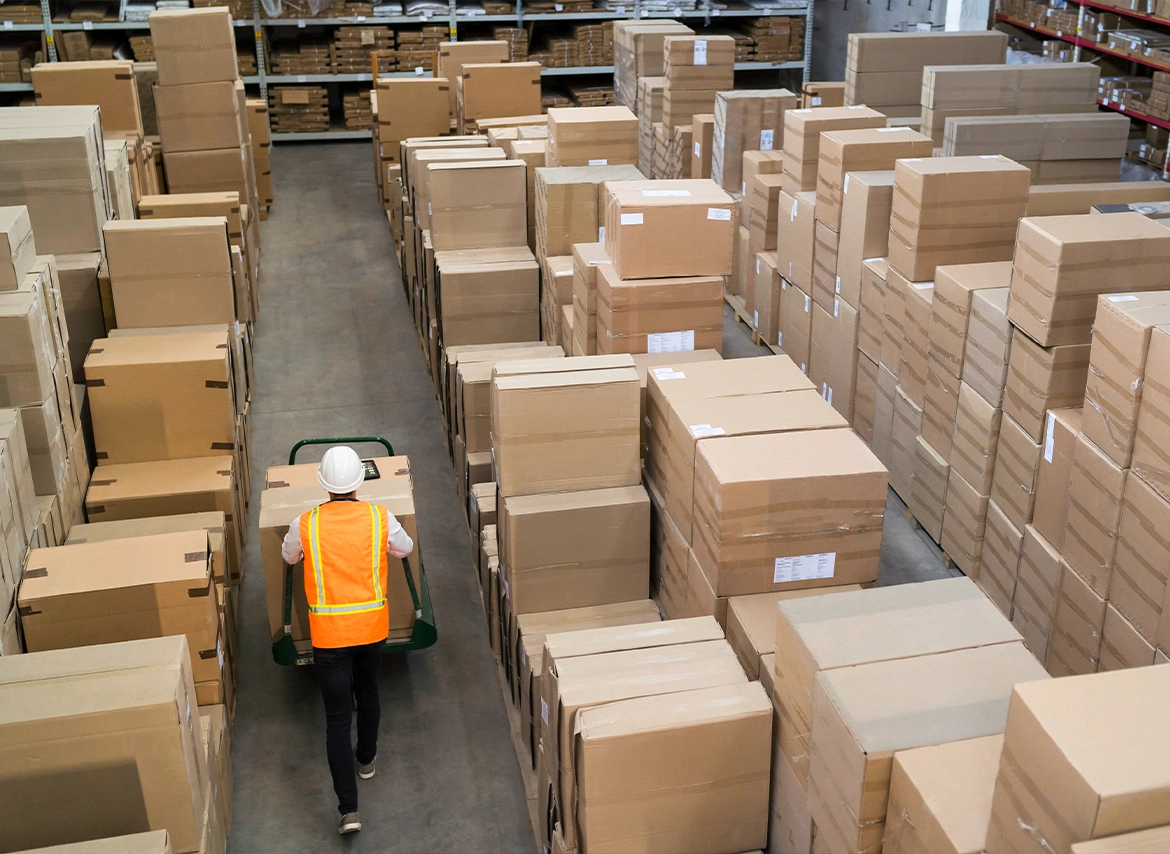
Keep aisles wide, clutter-free, and easy for forklifts or pallet jacks to move through. Narrow or obstructed pathways increase the risk of accidents and slow material movement.
-
High-Demand Item Placement
Items frequently picked or shipped should always stay near the front or close to dispatch areas. Reducing travel time helps shorten order fulfillment time, especially during busy seasons.
-
Using Vertical Space
Shelving, racking systems, mezzanines, and vertical lifts maximize space and reduce floor congestion. Proper labeling ensures items stored at height remain easy to find.
-
Efficient Flow Design
Place inbound and outbound areas on opposite ends to prevent traffic congestion. The goal is to create a clear, logical flow from receiving to shipping.
2. Get the Right Equipment for Handling
The right material handling equipment boosts safety and efficiency. Manual handling increases fatigue and leads to slow workflows. Investing in proper tools reduces risks and optimizes movement inside the warehouse.
-
Forklifts and Pallet Jacks
These essential tools help move heavy loads quickly and safely. Electric models also support sustainability and lower operating costs.
-
Conveyor Belts
Conveyors automate the movement of goods, integrating seamlessly with picking and packing processes. They limit manual lifting and reduce worker strain.
-
Automated Storage and Retrieval Systems (AS/RS)
These computer-controlled systems increase storage efficiency by automatically retrieving items. They reduce human error, boost inventory accuracy, and save floor space.
-
Cranes and Hoists
Used for heavy or oversized goods, cranes and hoists simplify lifting tasks and prevent strain-related injuries.
-
Mobile Carts and Trolleys
Lightweight mobile carts help workers move goods quickly, especially in smaller zones where forklifts are unnecessary.
Fill out the form for a free logistics consultation!

You can contact us directly and schedule your shipment now
3. Follow Essential Safety Practices
Safety is a critical part of material handling. Poor handling increases workplace injuries, slows productivity, and contributes to costly downtime.
-
Teach Safety Skills
Training programs should include lifting techniques, safe driving practices for equipment, hazard identification, and proper load balancing.
-
Wear Protective Gear
Mandatory safety equipment may include gloves, helmets, safety shoes, reflective vests, and eye protection. This prevents avoidable accidents.
-
Use Clear Signs
Safety signs, hazard warnings, floor markings, and equipment zones help guide workers through the warehouse and reduce confusion.
-
Plan for Emergencies
A proper emergency response plan includes fire drills, spill control procedures, first-aid training, and evacuation routes clearly posted.
-
Regular Equipment Inspection
Routine checks help identify damaged tools or unsafe machines, preventing dangerous malfunctions.
4. Manage Inventory the Smart Way
Organizing inventory properly reduces waste, prevents overstocking, and ensures materials flow smoothly through the warehouse.
-
Real-Time Tracking
Use RFID tags, barcode scanners, or IoT devices to track inventory movement in real time. This helps forecast shortages and plan replenishment.
-
FIFO and LIFO Systems
Depending on product type, select an appropriate system:
- FIFO (First-In-First-Out): Works best for perishables and date-sensitive products.
- LIFO (Last-In-First-Out): Suits items that do not expire quickly.
-
Routine Inventory Checks
Cycle counting helps identify discrepancies early and keeps stock records accurate.
-
Warehouse Management Software (WMS)
Modern WMS platforms automate tasks like order processing, picking routes, stock updates, and warehouse layout optimization.
-
Slotting Strategy
Strategically place items based on size, weight, turnover rate, and fragility to minimize movement and maximize speed.
5. Organize Picking and Packing for Maximum Output
Fast, accurate, and organized picking and packing ensures customer satisfaction and reduces return rates.
-
Batch Processing
Group similar orders to reduce travel time inside the warehouse.
-
Zoned Picking
Assign workers specific picking zones. This reduces congestion and speeds up retrieval.
-
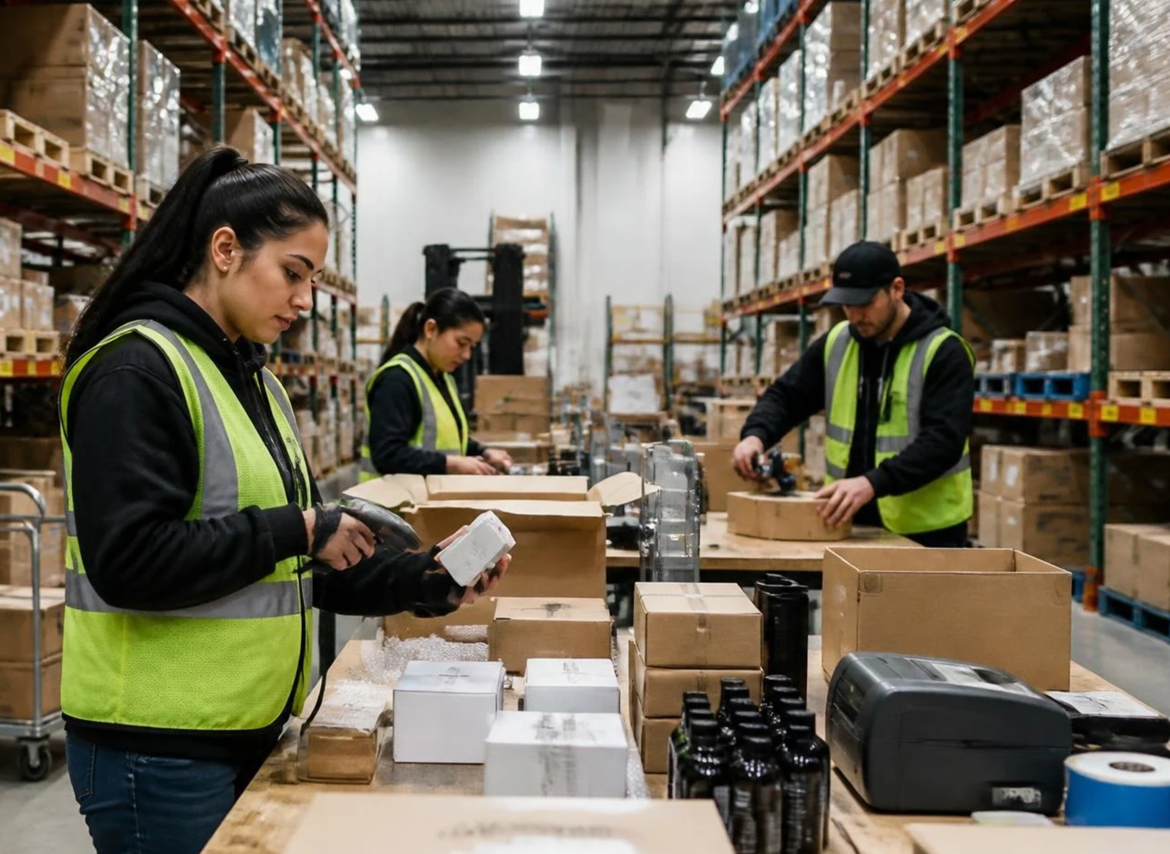
Scanning Systems
Barcode or QR scanning reduces errors and ensures accurate order assembly.
-
Quality Control Systems
Before shipping, inspect orders to ensure correct quantity, product quality, and packaging integrity.
-
Packing Optimization
Use packaging materials suitable for product fragility and size to minimize waste and reduce shipping costs.

6. Enhance Ergonomics and Worker Productivity
Warehouse workers manage physical tasks daily, so ergonomic improvements help prevent injuries and boost efficiency.
-
Adjustable Workstations
Flexible-height stations help reduce back strain and improve comfort during packing or sorting tasks.
-
Lift Assist Devices
Automated lifts, vacuum lifters, and hydraulic tables prevent injuries from heavy lifting.
-
Balanced Break Schedules
Planned short breaks help prevent fatigue, especially during repetitive or physically demanding tasks.
-
Training and Skill Development
Continuous training builds confidence, reduces mistakes, and improves overall performance.
-
Climate Control
Maintaining a comfortable warehouse temperature helps workers stay productive and reduces fatigue.
7. Add Technology to Handle Materials Better
Modern warehouses benefit from automation, robotics, and smart technology. These tools reduce costs, speed up tasks, and improve accuracy.
-
AI and Machine Learning
AI helps forecast demand, optimize stock levels, and predict order trends. It also supports route optimization inside the warehouse.
-
IoT Sensors
Sensors monitor temperature, humidity, and equipment usage—helping protect sensitive goods and prolong machine life.
-
Drones in Stock Management
Drones quickly scan shelves and count inventory, saving hours of manual work.
-
Automated Guided Vehicles (AGVs)
AGVs transport materials independently along pre-defined paths, improving precision and reducing labor dependency.
-
Robotic Picking Systems
Robots equipped with cameras and sensors can pick products quickly and accurately, especially for repetitive tasks.
8. Create a Plan to Improve Continuously
Warehouses must adapt to new technologies, customer expectations, and market changes. Continuous improvement keeps operations efficient and competitive.
Tracking Performance Metrics
Key performance indicators (KPIs) include:
- Order accuracy
- Fulfillment speed
- Inventory turnover
- Return rates
- Storage efficiency
Monitoring these metrics helps identify improvement opportunities.
-
Listening to Employees
Workers often know operational challenges better than management. Their feedback helps identify bottlenecks and safety concerns.
-
Adapting to Industry Trends
Stay updated with new material handling technologies, smart warehouse solutions, and automation tools to stay competitive.
Final Thoughts
Effective warehouse material handling is essential for running a safe, productive, and cost-efficient supply chain. By optimizing warehouse layout, investing in proper equipment, using modern technology, and training workers regularly, businesses can handle materials smoothly and eliminate unnecessary delays or risks. The result is a warehouse that operates more efficiently, reduces operational costs, and supports long-term business growth.
A well-organized warehouse ensures that materials move quickly, workers stay safe, and customers receive their orders on time—making it a vital part of every successful business.
Frequently Asked Questions About Warehouse Material Handling
What is warehouse material handling?
Warehouse material handling includes all activities related to moving, storing, controlling, and protecting materials throughout the warehouse to ensure smooth operations.
Why is proper warehouse material handling important?
It helps reduce product damage, improve safety, increase productivity, reduce costs, and speed up order fulfillment.
What equipment is essential for warehouse material handling?
Common equipment includes forklifts, pallet jacks, conveyor belts, cranes, hoists, and automated storage systems.
How can technology improve warehouse material handling?
Technology such as AI, AGVs, drones, and IoT sensors helps automate tasks, reduce errors, increase speed, and improve inventory accuracy.
What is the best way to organize warehouse inventory?
Using techniques like FIFO/LIFO, real-time tracking systems, slotting strategies, and regular cycle counts ensures accurate and efficient inventory management.