

Introduction
In today’s fast-paced retail and eCommerce landscape, managing products efficiently is not just an advantage—it’s a necessity. Businesses that fail to track their inventory accurately often struggle with stockouts, overstocking, and poor customer satisfaction. This is where the concept of stock keeping unit becomes essential.
A well-structured stock keeping unit system allows businesses to organize, track, and analyze their products with precision. Whether you are a small online seller or a large-scale retailer, understanding how SKU works can significantly improve your inventory management and overall operational efficiency.
In this blog, we’ll explore everything you need to know about SKU, how to use it effectively, and how it contributes to better decision-making and business growth.
What is a Stock Keeping Unit (SKU)?
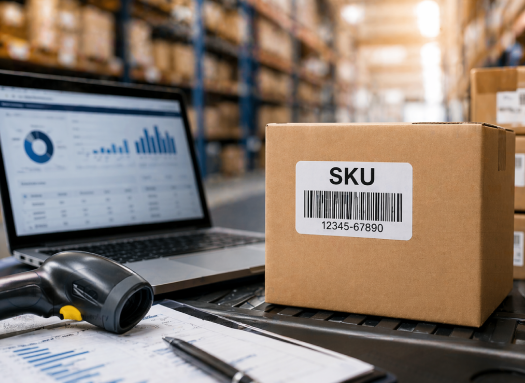
A stock keeping unit (commonly referred to as sku) is a unique code assigned to each product or product variation within a business. It helps identify items based on attributes like size, color, type, or category.
Unlike universal product codes, a stock keeping unit is created internally by businesses to suit their specific tracking needs. This flexibility allows companies to design SKU structures that align perfectly with their operations.
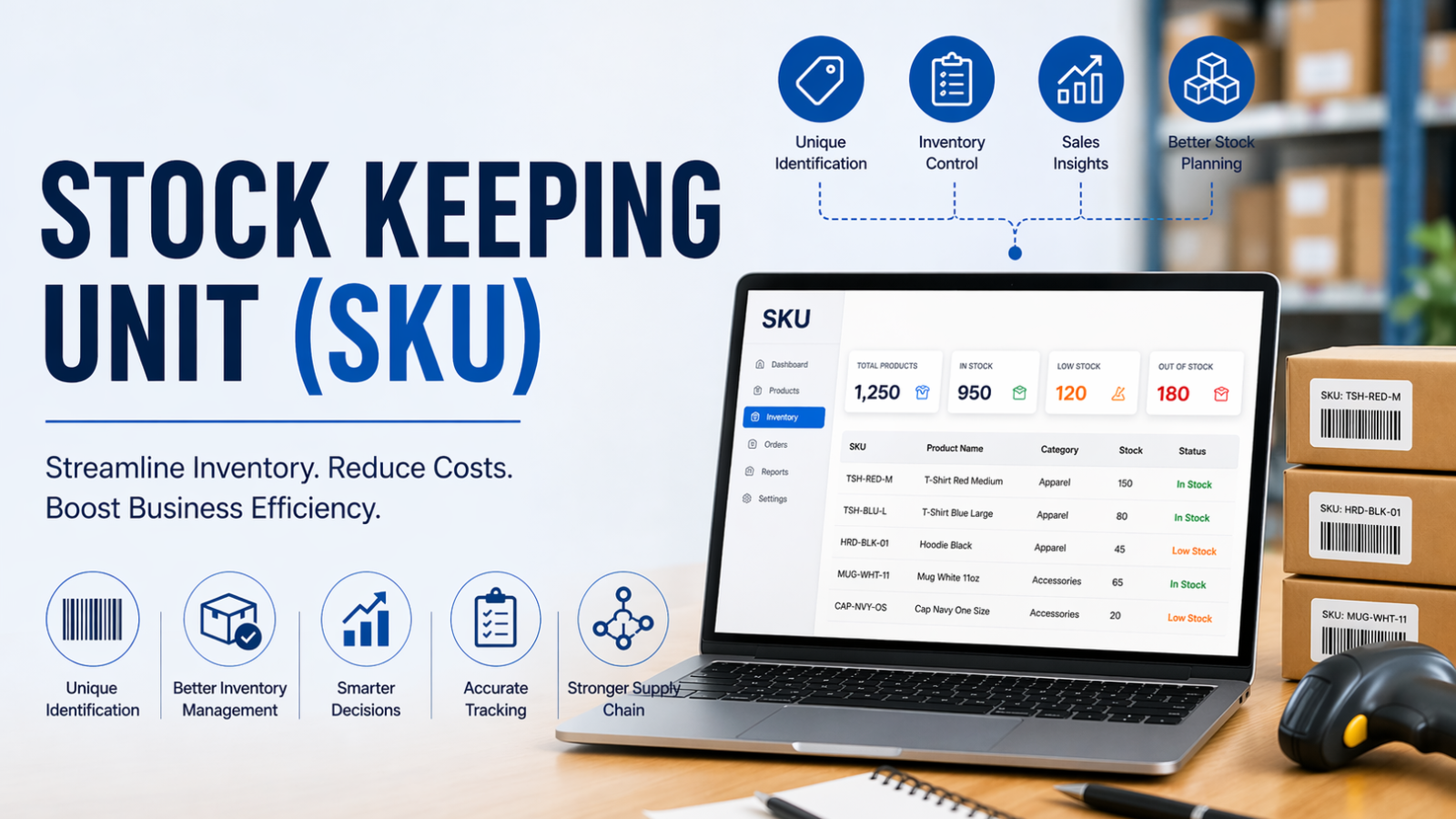
For example, a clothing retailer may create a SKU like TSH-RED-M, which could represent a red t-shirt in medium size. This simple code provides clear information about the product without needing a lengthy description.
By assigning a unique sku to every product variation, businesses gain better visibility into their stock and sales performance.
Why SKU Matters for Modern Businesses?
A well-managed stock keeping unit system plays a critical role in improving operational efficiency. It goes beyond simple product identification and becomes a foundation for smarter business strategies.
First, SKU enhances inventory management by providing real-time insights into stock levels. Businesses can easily identify which products are selling fast and which ones are not performing well.
Second, it supports better supply chain management. With accurate SKU data, businesses can forecast demand more effectively and ensure timely replenishment of stock.
Another important advantage is improved customer experience. When employees can quickly locate product information using SKU codes, they can assist customers faster and more accurately.
Moreover, integrating SKU with AI Powered Inventory Management systems allows businesses to automate stock tracking, reduce human errors, and make data-driven decisions. This leads to higher efficiency and reduced operational costs.
In short, SKU acts as a backbone for Smart Inventory Management, helping businesses stay competitive in a dynamic market.
Fill out the form for a free logistics consultation!

You can contact us directly and schedule your shipment now
How to Create an Effective SKU System?
Creating a strong stock keeping unit system requires planning and consistency. The goal is to design a structure that is simple, scalable, and easy to understand.
Start by identifying the key attributes of your products. These may include category, brand, size, color, or model. Then, create a logical sequence that represents these attributes within the SKU.
For instance, a structured SKU format might include:
- Category identifier
- Product type or brand
- Variation details (size, color, etc.)
While designing your SKU system, keep the codes short and readable. Avoid using unnecessary symbols or overly complex combinations that may confuse your team.
Consistency is another crucial factor. Every product should follow the same SKU format to ensure smooth operations and easy tracking.
As your business grows, your SKU system should evolve as well. Regular updates and audits help maintain accuracy and relevance.
SKU vs UPC: Understanding the Difference
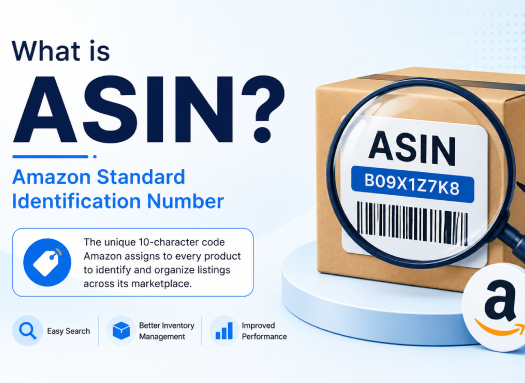
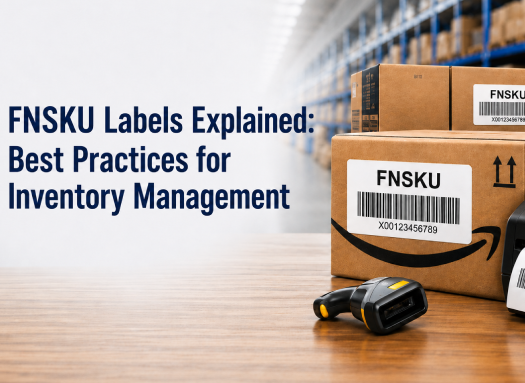
Many businesses often confuse SKU with UPC, but they serve different purposes.
A stock keeping unit is an internal code created by a business to track its inventory. It is unique within that organization and can vary from one retailer to another.
On the other hand, a UPC (Universal Product Code) is assigned externally and remains the same across all retailers selling the same product.
While UPC is mainly used for scanning and global identification, SKU is designed for internal tracking, analysis, and operational efficiency.
Understanding this distinction helps businesses use both systems effectively without confusion.
Best Practices for Managing SKU Efficiently
Managing a stock keeping unit system effectively requires a strategic approach. Without proper management, even the best SKU structure can become disorganized over time.
Here are some essential practices to follow:
- Ensure every SKU is unique and never reused
- Keep the format simple, consistent, and easy to interpret
- Avoid using special characters that may cause system errors
- Regularly audit your SKU system to remove outdated or irrelevant codes
- Integrate SKU with advanced tools for better tracking and automation
Businesses that adopt these practices often experience improved efficiency in both inventory management and supply chain management.
Additionally, leveraging modern solutions like AI Powered Inventory Management can automate SKU tracking and provide valuable insights into sales patterns. This enables businesses to optimize stock levels and improve profitability.
Frequently Asked Questions (FAQs)
What is a stock keeping unit in simple terms?
A stock keeping unit is a unique code assigned to each product or variation to help businesses track inventory and sales efficiently.
How is SKU different from a barcode?
A sku is created internally by a business, while a barcode (like UPC) is standardized and used globally for product identification.
Why is SKU important for inventory management?
SKU helps track stock levels, monitor sales performance, and prevent issues like overstocking or stock shortages.
Can small businesses use SKU systems effectively?
Yes, even small businesses benefit from using SKU systems as they improve organization, tracking, and overall efficiency.
What tools can help manage SKU automatically?
Modern software solutions and AI Powered Inventory Management systems can automate SKU tracking, reduce errors, and provide real-time insights.
Final Thoughts
A well-designed stock keeping unit system is more than just a labeling method—it’s a powerful tool that drives efficiency, accuracy, and growth. From improving inventory management to enhancing supply chain management, SKU plays a vital role in modern business operations.
By implementing a structured SKU system and combining it with advanced technologies like Smart Inventory Management, businesses can gain better control over their inventory and make smarter decisions.
As competition continues to grow in the retail and eCommerce sectors, adopting an effective SKU strategy is no longer optional—it’s essential for long-term success.

George Anderson
George Anderson is an experienced Digital Marketing Expert and Content Strategist with over 15 years in the industry. In the last 5 years, he has focused on eCommerce and logistics, helping businesses optimize operations, scale effectively, and improve customer experiences through data-driven strategies.