

Introduction
Selecting the right Amazon Tax Free Prep Center is one of the smartest decisions you can make as an FBA seller who wants to maximize profits. Many Amazon sellers don’t realize how much money they lose each year through sales tax and inefficient prep processes. A professional tax-free prep center can significantly reduce these expenses, improve turnaround time, and streamline your entire supply chain. However, not all prep centers deliver the same quality, transparency, or reliability. Choosing the right one requires careful evaluation, and this guide will walk you through everything you need to know before making your decision.
Understanding What Amazon Tax Free Prep Center Is
Before choosing a provider, it’s essential to understand exactly how an Amazon Tax Free Prep Center works. These facilities are located in U.S. states with no sales tax, such as Oregon, Montana, New Hampshire, Delaware, and Alaska. When your inventory is shipped to these states, you avoid paying sales tax entirely, which can save thousands of dollars each year depending on your sales volume.
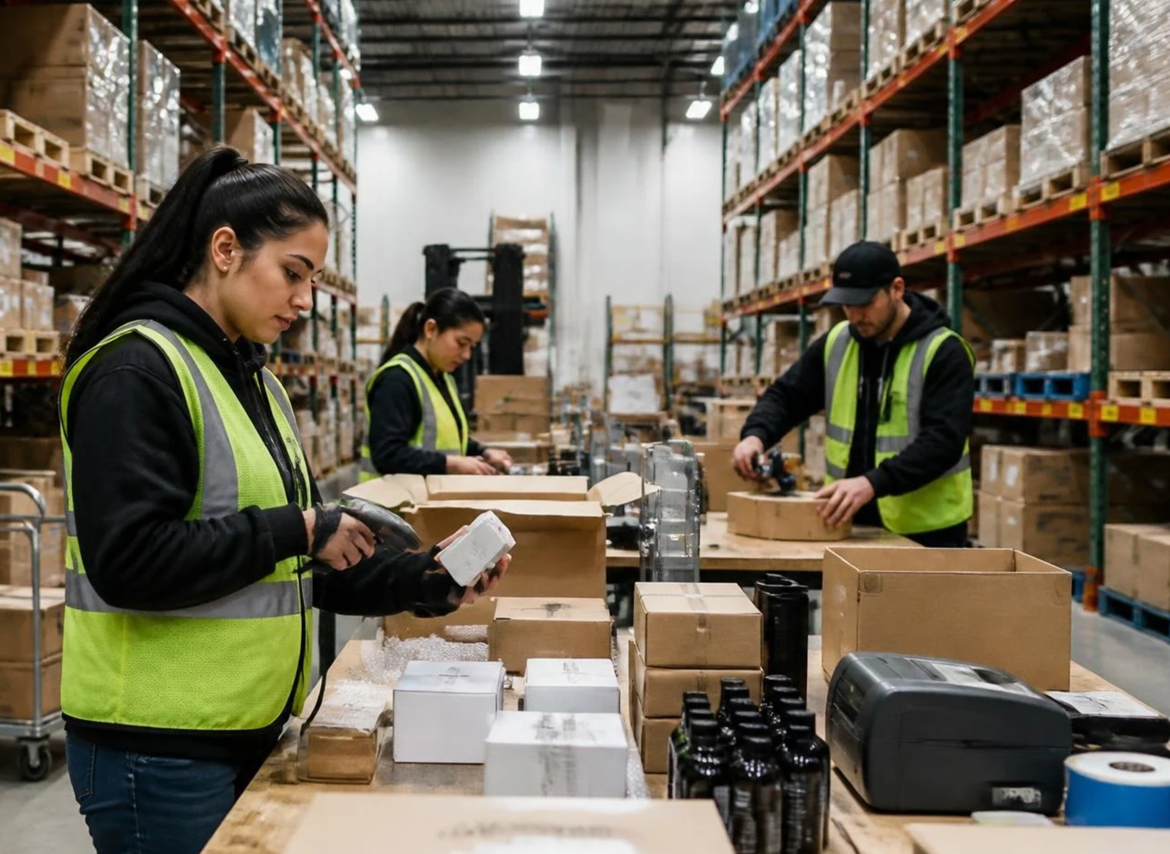
Beyond tax savings, these centers handle all FBA-required preparation tasks like labeling, poly bagging, bubble wrapping, bundling, and shipping your products to Amazon fulfillment centers. Their purpose is to reduce your workload, eliminate prep errors, and ensure compliance with Amazon’s strict packaging guidelines. Understanding their role helps you choose a prep center that aligns with your business model.
Verifying Location and Tax-Free Status
A common mistake new sellers make is assuming every prep center advertising as “tax free” is genuinely located in a sales-tax-exempt state. Some run satellite offices, and others apply handling fees that act like hidden taxes. This is why verifying the location is extremely important. Check if the company is registered in a tax-free state, ask for their business address, and confirm whether all inbound shipments are exempt from sales tax.
You should also inquire about hidden fees or additional charges that might reduce your savings. A legitimate Amazon Tax Free Prep Center will be transparent about its location, registration, and tax-free benefits. If a company hesitates to provide details, treat it as a warning sign.
Comparing Pricing Structures
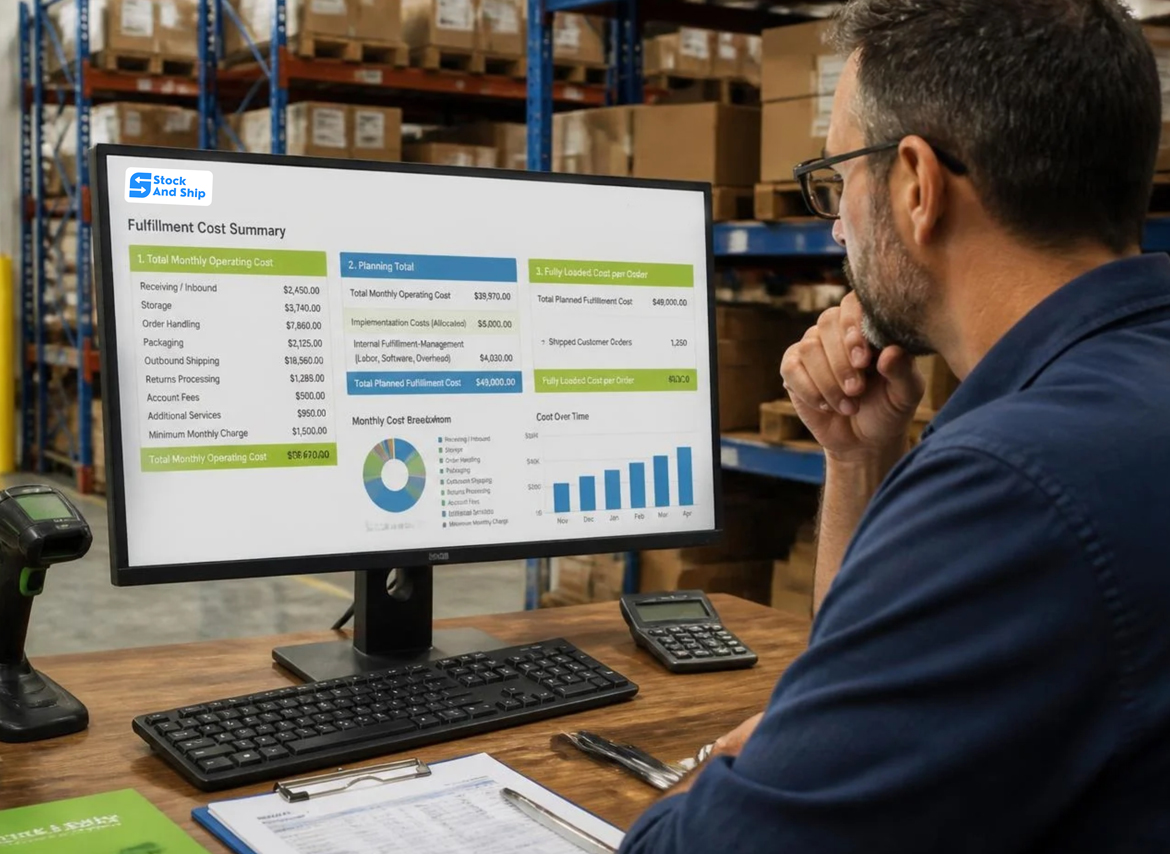
Pricing is often the biggest factor when choosing a prep center. Every provider has a different pricing model, and failing to understand these differences can lead to unexpected expenses. Most centers charge fees for receiving, labeling, packaging, storage, and outbound shipping. Some charge per unit, while others charge per shipment.
Always review the pricing structure thoroughly and ask for a complete breakdown. If you sell fragile items or multipacks, make sure the center offers cost-effective solutions. Transparent pricing is essential, because hidden costs—such as extra handling charges, peak-season surcharges, or mandatory monthly fees—can significantly increase your expenses over time. A reliable prep center should provide a clear and straightforward fee structure without any unnecessary add-ons.
Fill out the form for a free logistics consultation!

You can contact us directly and schedule your shipment now
Evaluating Turnaround Time and Processing Speed
Speed plays a critical role in Amazon operations. When your inventory reaches Amazon’s fulfillment centers quickly, your listings stay active, your products restock on time, and your sales continue without interruption. A slow prep center can cause delays, stockouts, lost Buy Box opportunities, and reduced account health.
Before choosing a provider, ask about their average turnaround time. Industry standards range between 24 and 72 hours. Some prep centers offer same-day or rush processing, especially during peak seasons such as Q4 and Prime Day. It’s also important to know how they manage high-volume shipments and whether they have enough staff to handle sudden increases in workload. A fast and efficient Amazon Tax Free Prep Center ensures consistent flow of inventory to Amazon warehouses, helping you maintain sales momentum year-round.
Reviewing the Range of Services Offered
Every Amazon seller’s needs are different, and not all prep centers offer the same level of service. Some provide basic tasks like receiving and labeling, while others offer complete warehousing, inspection, bundling, custom packaging, and inventory management.
Consider the type of products you sell. If you deal with glass items, private label products, or multipacks, you need a center that specializes in careful packaging, kitting, and inspection. If you sell fast-moving items, you may need faster receiving and shipping services. Some prep centers also handle returns, provide photo documentation, and offer custom packaging solutions that support brand presentation. A wide service package ensures the prep center can support your business both now and as you expand.
Ensuring Integration With Amazon Tools
Modern Amazon businesses rely heavily on automation. For that reason, choose a prep center that integrates smoothly with Amazon Seller Central and commonly used software like InventoryLab, SellerBoard, SoStocked, and ShipStation. Proper integration ensures faster order updates, accurate inventory tracking, and real-time notifications about receiving and shipping.
When your prep center is technologically efficient, you spend less time on manual updates, avoid mistakes, and maintain a clearer overview of your inventory. This increases operational efficiency and reduces the chance of miscommunication or shipment errors.
Assessing Customer Support and Communication
Excellent customer support is one of the main pillars of a dependable Amazon Tax Free Prep Center. You need a service provider that responds quickly, communicates clearly, and handles issues professionally. If they take too long to answer questions during onboarding, chances are they will be even slower once they start handling large volumes of your inventory.
Ask whether they provide a dedicated account manager, what their response times are, and how they communicate shipping updates or delays. Strong communication prevents misunderstandings, ensures faster problem resolution, and builds trust over time.
Analyzing Reviews and Seller Feedback
Researching reviews is one of the most reliable ways to evaluate a prep center’s performance. Look for consistent feedback from other Amazon sellers regarding accuracy, cost transparency, processing speed, and overall reliability. Pay attention to repeated issues such as damaged items, delayed processing, or unexpected fees.
Reviews from Amazon seller forums, Facebook groups, Google Reviews, and Trustpilot can give you a clear idea of what to expect. If a prep center has many negative comments about slow processing or poor-quality control, it’s best to avoid them regardless of attractive pricing.
Checking Scalability for Business Growth
As your business grows, your prep center must grow with you. Some providers work well for small sellers but struggle when handling large volumes. An ideal Amazon Tax Free Prep Center should have enough warehouse space, staff, technology, and equipment to grow alongside your business.
Ask whether they can manage high-volume shipments, expand operations during peak seasons, and offer bulk discounts. A scalable prep center ensures you won’t need to switch providers as your business expands, saving time and operational disruption.

Inspecting Security and Inventory Safety Measures
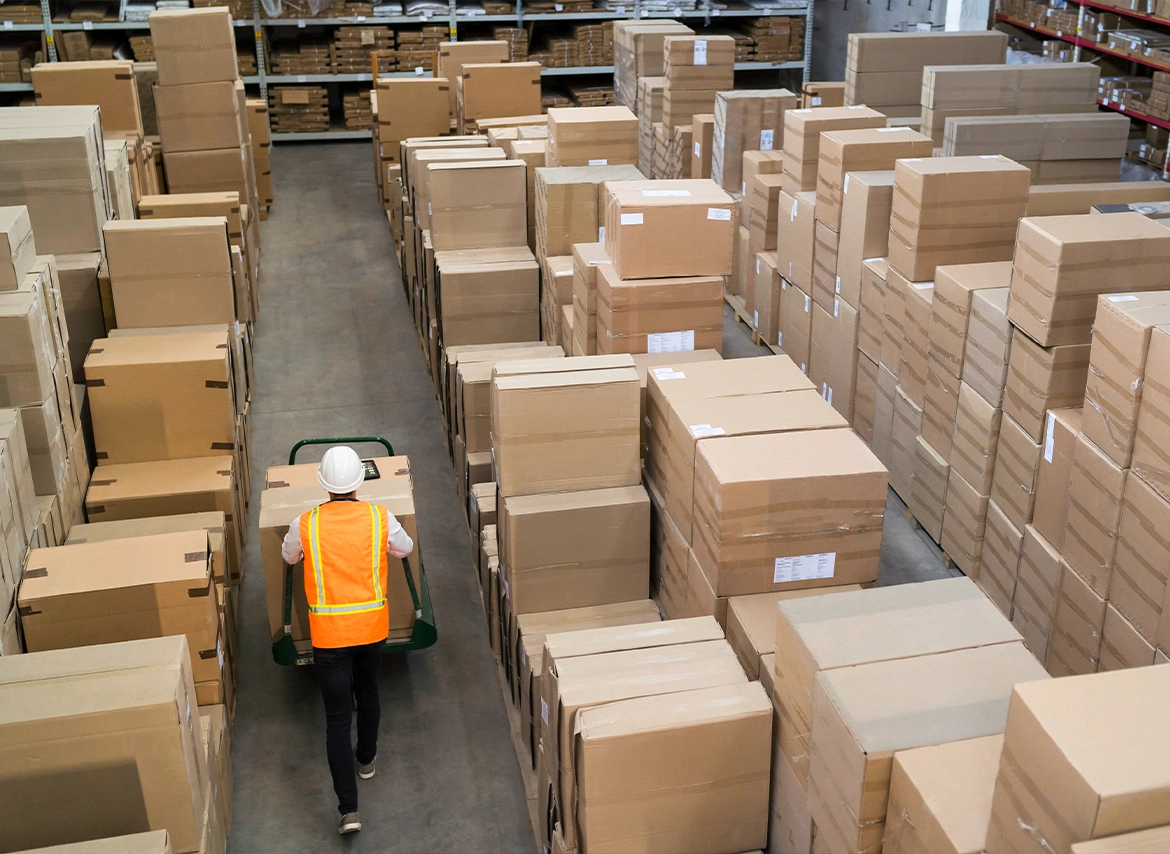
Your products are valuable, and inventory loss or damage directly impacts your bottom line. A reliable prep center must have strong security systems in place, including surveillance, secure entry protocols, and fire protection. They should also follow organized receiving and storage procedures to prevent inventory misplacement.
It’s also worth asking whether they offer insurance coverage in case items are lost or damaged. A prep center that prioritizes safety and organization ensures your products remain protected from the moment they arrive until they are shipped to Amazon.
Reviewing Technology and Reporting Tools
Many modern prep centers offer digital dashboards that track inventory, order status, receiving photos, and shipping updates. This level of transparency is extremely helpful for staying informed without constant communication.
If a prep center relies too much on manual processes, it increases the chances of errors and delays. A technology-driven prep center gives you greater confidence, visibility, and control over your operations.
Testing the Prep Center With a Trial Shipment
Before committing long-term, send a small batch of products to test the prep center’s efficiency. This gives you firsthand insight into their communication, quality of packaging, turnaround speed, and billing transparency. Pay attention to whether they follow instructions correctly, comply with Amazon standards, and charge the agreed-upon fees.
A trial run is the safest way to determine whether the prep center is a good partner for your business. If the test goes smoothly, you can confidently move forward.
Final Thoughts
Choosing the right Amazon Tax Free Prep Center can make a massive difference in your Amazon business. A well-chosen prep center helps you save money, avoid sales tax, improve your inventory flow, and reduce operational stress. By examining factors like location, pricing, service quality, communication, security, and scalability, you can ensure that you’re partnering with a reliable, long-term solution.
Take your time, compare several providers, test their services, and make your decision based on clear evidence and real performance. A great prep center isn’t just a service provider—it becomes an extension of your Amazon business, helping you grow efficiently and profitably.
Frequently Asked Questions
What is an Amazon Tax Free Prep Center?
It is a prep facility located in a U.S. sales-tax-free state that handles receiving, labeling, packaging, and shipping without adding sales tax to your inbound products.
How does a tax-free prep center help increase my profit?
By avoiding sales tax and minimizing prep errors, you reduce expenses and maintain higher margins, which can significantly boost your annual profit.
How do I verify if a prep center is truly tax-free?
Check their business address, registration details, and written confirmation that inbound shipments are exempt from sales tax.
What services should a good prep center offer?
Efficient receiving, labeling, packaging, storage, bundling, quality inspections, and fast outbound shipping to Amazon FBA warehouses.
Should I test a prep center before fully committing?
Yes. Sending a small trial shipment helps evaluate their accuracy, communication, and turnaround speed before trusting them with your entire inventory.