

Introduction
In the evolving world of eCommerce, returns are no longer just an operational afterthought—they are a defining part of customer experience and brand reputation. As online shopping continues to grow across platforms like Amazon, Walmart, and Shopify, return volumes have increased significantly. Studies show that online return rates can range from 20% to 35%, depending on the product category.
For sellers operating in the Pacific Northwest, Returns Management in Oregon offers a strategic opportunity to reduce costs, improve compliance, and enhance customer satisfaction. With its logistics-friendly infrastructure, tax advantages, and proximity to major West Coast fulfillment hubs, Oregon has become an attractive location for sellers looking to streamline reverse logistics.
By partnering with a reliable prep center for return management, sellers can transform returns from a financial burden into a structured, scalable system that protects profitability and strengthens marketplace performance.
Why Returns Management in Oregon Is a Strategic Advantage?
Oregon offers a strategic trifecta for eCommerce: tax savings, prime West Coast access, and streamlined logistics that turn the “headache” of returns into a competitive edge.
Why Oregon Wins for eCommerce Logistics?
- Zero Sales Tax: Eliminates state sales tax on inventory movement and restocking, directly lowering overhead and operational expenses.
- Strategic West Coast Access: Proximity to major ports and fulfillment hubs ensures faster transit times and reduced shipping costs.
- Rapid Inventory Turnaround: Faster processing for Amazon FBA and Walmart sellers means returned items are inspected and relisted at record speed.
- Regional Efficiency: Local partnerships, like dedicated FBA prep services, prevent the logistical drain of shipping returns across multiple states.
By positioning your logistics in the right location, you transform returns from a sunk cost into a streamlined part of your supply chain.
The Growing Impact of eCommerce Returns on Seller Profitability
Returns directly affect profit margins. Beyond refund costs, sellers face reverse shipping charges, inspection labor, damaged inventory, and potential restocking fees.
Categories such as apparel, electronics, and home goods see especially high return rates due to sizing issues, product expectations, or shipping damage. Without a structured system, sellers risk:
- Inventory shrinkage
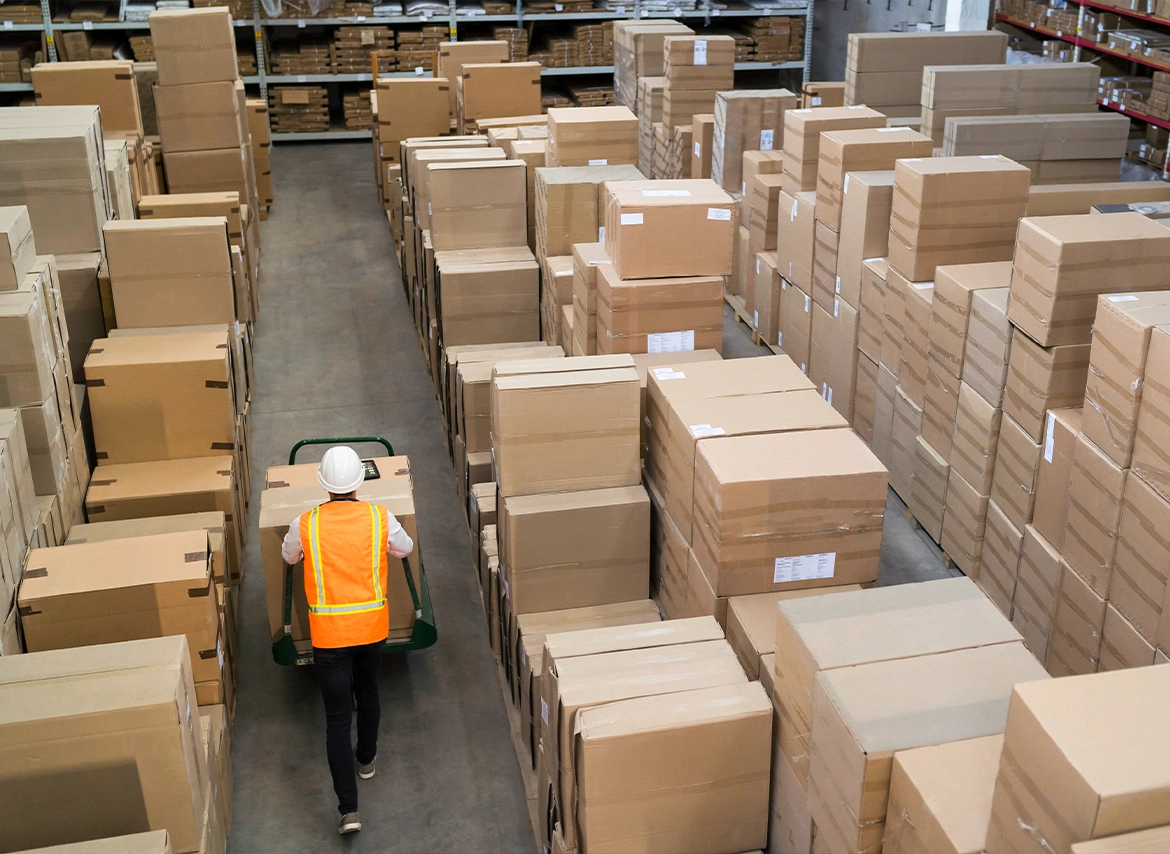
- Increased warehouse congestion
- Negative customer feedback
- Marketplace penalties
Amazon and Walmart have strict return performance standards. Excessive unresolved returns or slow processing can impact seller ratings and even lead to account suspension. Efficient Returns Management in Oregon helps sellers maintain compliance while reducing unnecessary losses.
Instead of viewing returns as a sunk cost, forward-thinking businesses treat them as part of their lifecycle inventory strategy. Products that are inspected quickly can often be resold as new, refurbished, or open-box items—recovering significant value.
Fill out the form for a free logistics consultation!

You can contact us directly and schedule your shipment now
How a Prep Center for Return Management Streamlines Operations?
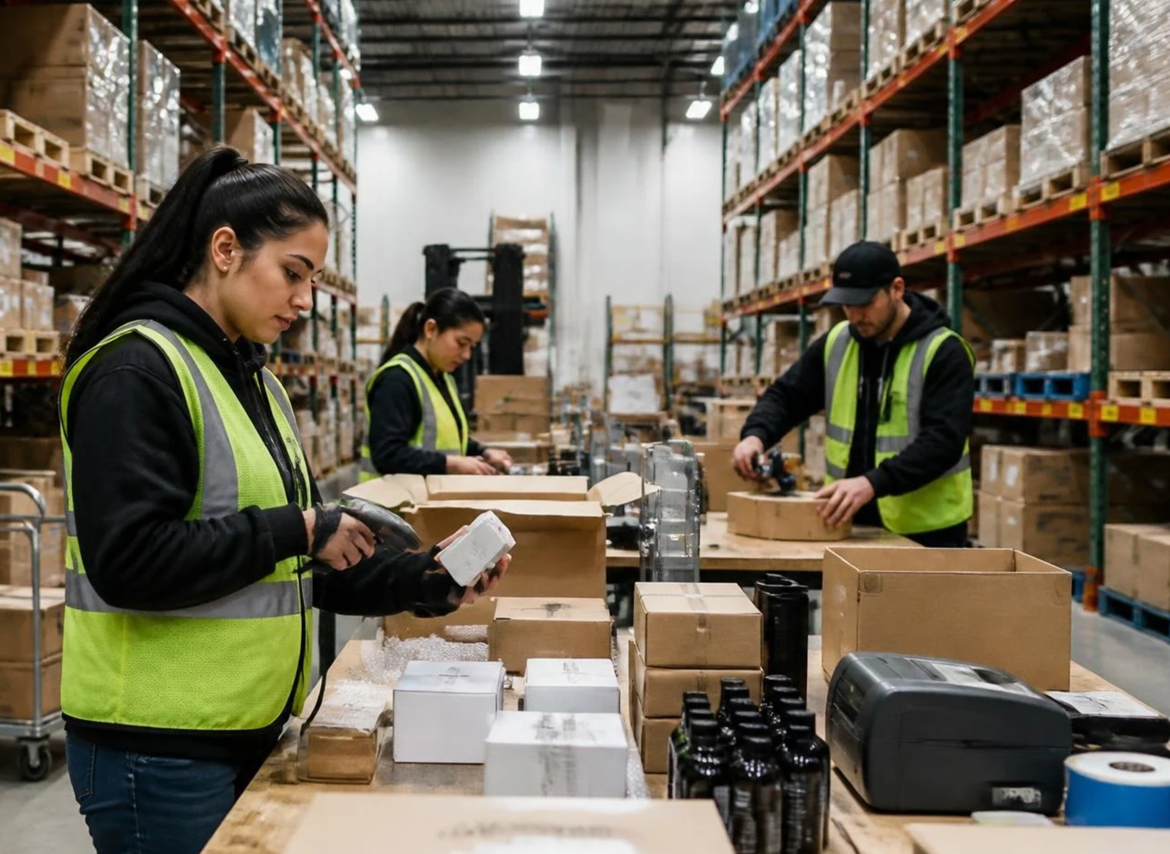
A professional prep center for return management acts as a centralized hub for handling reverse logistics. Rather than sending returns back to your home address or scattered warehouses, returned products are directed to a specialized facility equipped to process them efficiently.
These centers handle:
- Receiving and logging: Intake and digital recording of returned products.
- Inspection and grading: Detailed quality assessment and condition grading.
- Repackaging: Professional relabeling and boxing for resale.
- Refurbishment: Coordination of repairs or cleaning if required.
- Restocking: Reintroduction of items into active fulfillment channels.
By outsourcing this process, sellers eliminate the operational bottlenecks of manual returns handling. For example, businesses already using Walmart fulfillment services can integrate returns directly into their broader logistics workflow.
Prep centers also provide flexibility. Sellers can choose whether items should be returned to FBA inventory, liquidated, recycled, or disposed of. This level of control improves cost management and prevents inventory buildup.
Reverse Logistics Workflow: From Customer Return to Resale
A structured reverse logistics workflow ensures minimal downtime between return and resale.
When a customer initiates a return, the product is shipped to the designated Oregon facility. Upon arrival, the item is checked into the system and assessed for condition. Inspection teams determine whether the product qualifies for resale, refurbishment, or disposal.
If the item meets resale standards, it is repackaged and relabeled to meet Amazon or Walmart compliance requirements. It can then be forwarded directly to a fulfillment center or stored temporarily in inventory.
This streamlined workflow reduces turnaround time dramatically. In efficient systems, eligible inventory can be ready for resale within 24–48 hours of receipt. Faster restocking protects sales velocity and minimizes revenue disruption.
By integrating returns into broader inventory storage and fulfillment solutions, sellers gain a holistic logistics strategy instead of fragmented operations.
Compliance, Tax Benefits, and Marketplace Protection
Compliance is a critical factor in Returns Management in Oregon. Marketplaces require accurate condition grading, proper labeling, and strict adherence to packaging standards. Non-compliance can result in inventory rejection or account penalties.
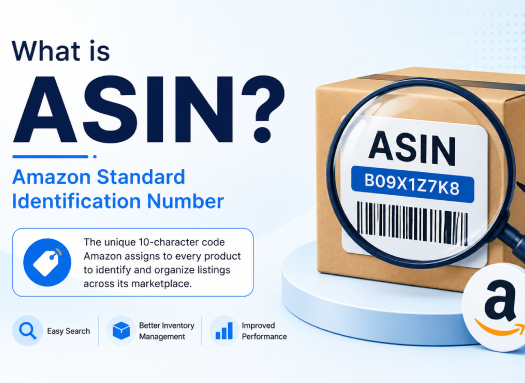
Prep centers experienced with Amazon FBA guidelines understand removal orders, stranded inventory processes, and condition assessments. They also ensure that relabeled items meet barcode and packaging specifications.
Oregon’s tax structure further benefits sellers. Since there is no state sales tax, inventory transfers and restocking operations may involve fewer tax complications compared to other states. Over time, these savings can contribute meaningfully to overall profitability.
Moreover, professional returns handling reduces the risk of negative customer feedback. Faster refunds and accurate condition reporting enhance buyer confidence, directly supporting marketplace performance metrics.

Technology, Reporting, and Inventory Visibility
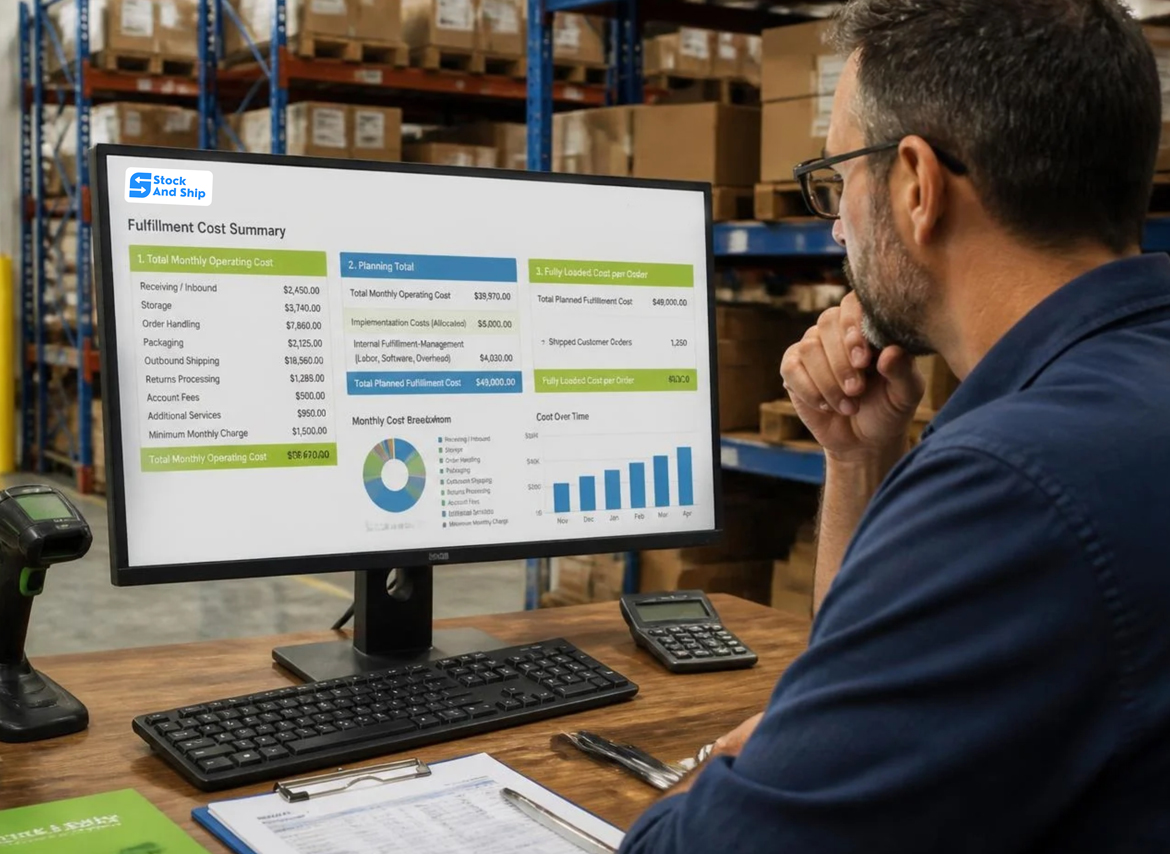
Modern prep centers leverage technology to provide sellers with real-time reporting and transparency. Advanced inventory management systems track each returned unit from arrival to final disposition.
Sellers can access dashboards detailing:
- Return Reasons & Trends: Analysis of why customers are returning items and identifying seasonal patterns.
- Product Condition Grading: A systematic evaluation of returned items to determine their current physical state.
- Resale Eligibility Rates: Data-driven insights into the percentage of returns that can be sold again as new or open-box.
- Disposal or Liquidation Summaries: Reports on items that cannot be relisted and must be sold via liquidation channels or disposed of.
Data-driven insights allow businesses to identify patterns. For instance, if a specific SKU shows unusually high return rates, sellers can investigate product descriptions, packaging quality, or supplier issues.
Automation is also shaping the future of reverse logistics. Barcode scanning, AI-based condition grading, and integrated marketplace APIs reduce manual errors and accelerate processing times.
With enhanced visibility, Returns Management in Oregon becomes not just an operational function—but a strategic data asset.
Frequently Asked Questions (FAQ)
Why is Returns Management in Oregon beneficial for eCommerce sellers?
Oregon offers tax advantages, strong logistics infrastructure, and proximity to West Coast fulfillment centers, making returns processing faster and more cost-effective.
What does a prep center for return management actually do?
It receives returned products, inspects them, repackages eligible items, restocks inventory, and disposes of or liquidates unsellable goods according to seller instructions.
How quickly can returned items be restocked?
Processing times vary, but many professional prep centers can inspect and prepare resale-eligible items within 24–48 hours of receipt.
Can returns management improve Amazon or Walmart seller ratings?
Yes. Faster processing, accurate grading, and compliance with marketplace rules reduce negative feedback and help maintain strong account health.
Is outsourcing returns more cost-effective than handling them in-house?
For most growing sellers, outsourcing reduces labor costs, warehouse congestion, and compliance risks—making it a more scalable and financially efficient solution.
Final Thoughts
Returns are an inevitable part of eCommerce, but they do not have to erode profitability. When managed strategically, they can become an organized, efficient component of your supply chain.
Returns Management in Oregon offers sellers geographic, tax, and logistical advantages that reduce costs and improve turnaround times. By partnering with a reliable prep center for return management, businesses gain streamlined inspections, faster restocking, marketplace compliance, and detailed reporting.
In a competitive online marketplace where customer expectations continue to rise, mastering reverse logistics is essential. Sellers who implement structured returns systems today will be better positioned for sustainable growth, stronger customer loyalty, and long-term marketplace success.