

Introduction
The global eCommerce landscape is evolving rapidly, and brands are increasingly shifting away from traditional retail chains toward a more agile and customer-centric model. One of the biggest drivers behind this shift is the Direct to Consumer Advantage, a strategy that allows brands to sell directly to end customers without relying on intermediaries.
Amazon has emerged as a powerful enabler of this transformation. With its massive fulfillment infrastructure, advanced logistics technology, and customer-first delivery standards, Amazon provides D2C Brands with the tools they need to scale faster, deliver quicker, and build stronger customer trust. This blog explores how Amazon’s ecosystem strengthens the Direct to Consumer Advantage and why it has become a preferred growth channel for modern brands.
Understanding the Direct to Consumer Advantage
The Direct to Consumer Advantage lies in eliminating unnecessary layers between the brand and the customer. Instead of moving products through wholesalers, distributors, and retail stores, brands ship directly to buyers, gaining better control over pricing, branding, inventory, and customer experience.
For D2C Brands, this model delivers more than just cost savings. It enables real-time demand tracking, faster market entry, personalized customer interactions, and higher profit margins. When combined with Amazon’s fulfillment capabilities, the Direct to Consumer Advantage becomes even more powerful.
Why Amazon is a Strong Ecosystem for D2C Brands?
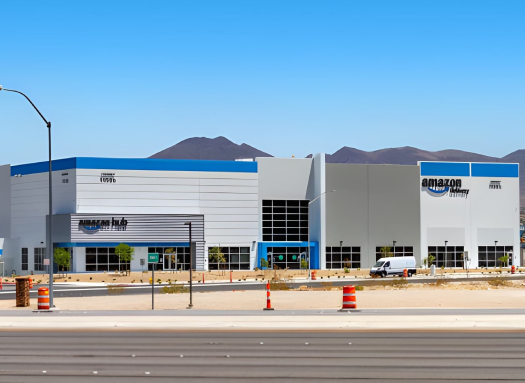
Amazon is more than a marketplace—it’s a fully integrated logistics and technology platform. With a vast network of fulfillment centers positioned close to customers, it reduces delivery times and lowers shipping costs.
For D2C brands, the benefits go even further. Amazon’s trusted reputation, Prime membership base, and advanced delivery network provide instant scale. Instead of building warehouses, negotiating shipping contracts, or managing customer service from scratch, brands can tap into Amazon’s ecosystem and operate efficiently from day one.
How Amazon’s DTC Fulfillment Model Works?
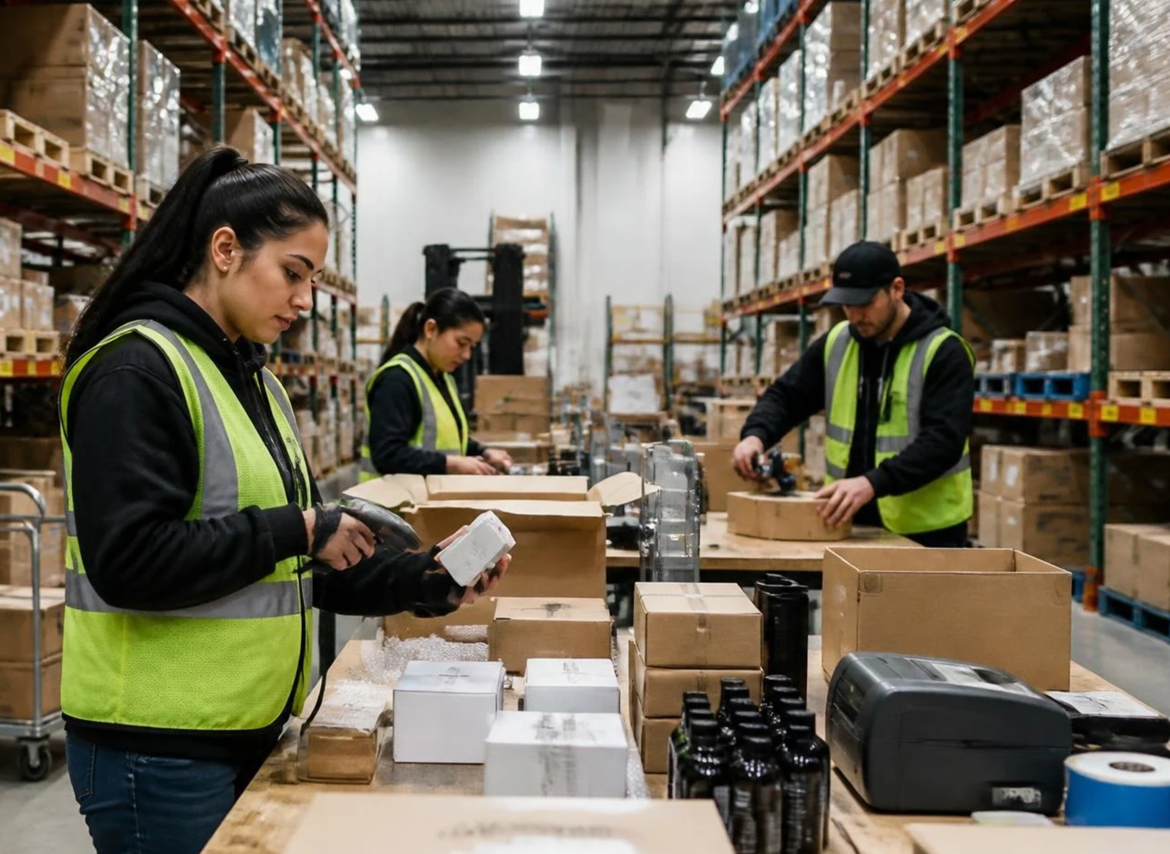
Amazon’s direct-to-consumer fulfillment is designed for speed, accuracy, and scalability. The process begins when sellers send inventory directly to Amazon fulfillment centers, often referred to as direct warehouse shipping.
Once a customer places an order, Amazon’s system automatically selects the nearest warehouse with available stock. The item is picked, packed, and shipped using Amazon’s logistics network, ensuring rapid and reliable delivery. This streamlined process allows products to reach customers within hours or days, reinforcing the Direct to Consumer Advantage.
Strategic Benefits of Amazon’s Direct to Consumer Advantage
Amazon’s Direct‑to‑Consumer (DTC) model empowers brands with speed, efficiency, and trust—delivering measurable benefits for both businesses and customers.
Key Points:
- Faster delivery: Same‑day and next‑day shipping meet modern customer expectations.
- Cost efficiency: Amazon’s scale lowers per‑unit logistics costs beyond what individual brands could achieve.
- Inventory visibility: Real‑time tracking reduces overstocking and prevents costly stockouts.
- Customer trust: Fulfillment by Amazon boosts conversions thanks to reliability, easy returns, and strong support.
- Higher sales & loyalty: Trust and convenience translate directly into repeat purchases and long‑term growth.
Fill out the form for a free logistics consultation!

You can contact us directly and schedule your shipment now
Key Amazon Programs Supporting DTC Growth
Amazon’s fulfillment programs give D2C brands the flexibility, scale, and trust needed to grow efficiently across markets.
Key Points:
- Fulfillment by Amazon (FBA): Handles storage, shipping, returns, and customer service while granting Prime eligibility.
- Amazon Global Logistics: Streamlines cross‑border expansion by moving inventory directly into Amazon warehouses worldwide.
- Seller Fulfilled Prime: Lets brands manage their own inventory while still offering Prime‑level delivery standards.
- Multi‑Channel Fulfillment: Extends Amazon’s reach by fulfilling orders from brand websites or other platforms.
- Integrated ecosystem: Together, these programs strengthen the Direct‑to‑Consumer advantage with speed, scale, and customer trust.
Direct Warehouse Shipping vs Traditional Retail Distribution
Traditional distribution involves multiple handoffs, longer lead times, and higher operational costs. Products often pass through wholesalers, distributors, and retailers before reaching customers.
Direct warehouse shipping simplifies this journey by moving inventory straight from manufacturers or prep centers to Amazon warehouses and then directly to customers. This shorter supply chain improves speed, reduces errors, and enhances overall efficiency, giving D2C Brands a clear competitive edge.
Challenges in Amazon DTC Fulfillment and Smart Solutions
Despite its advantages, Amazon’s DTC model requires careful management. Storage fees can rise during peak seasons, making demand forecasting essential. Accurate inventory planning and third-party prep centers can help control these costs.
Strict labeling and packaging requirements can also cause delays if not followed correctly. Working with experienced FBA prep partners ensures compliance and smooth inbound shipments.
Returns are another challenge, especially in categories with high return rates. Leveraging Amazon’s return management services or external specialists helps brands maintain customer satisfaction without operational strain.

Who Can Benefit Most from Amazon’s DTC Model?
The Direct to Consumer Advantage on Amazon is particularly effective for private label brands seeking full control over their products and branding. Startups benefit from faster market entry without heavy infrastructure investment.
International sellers gain easier access to U.S. and European markets, while subscription-based D2C Brands enjoy consistent fulfillment for recurring orders. Any brand prioritizing speed, scalability, and customer experience can benefit from Amazon’s DTC ecosystem.
Best Practices to Maximize the Direct to Consumer Advantage
Success in Amazon’s DTC model requires more than logistics. Optimized product listings with strong keywords, clear visuals, and compelling descriptions improve visibility and conversions.
Maintaining healthy inventory levels prevents lost sales and unnecessary fees. Monitoring performance metrics such as order defect rate and delivery speed ensures long-term account health. Strategic use of Amazon advertising and data analytics further strengthens growth and profitability for D2C Brands.
The Future of DTC Brands on Amazon
Amazon continues to invest heavily in automation, artificial intelligence, and faster delivery solutions. Innovations like robotics-driven warehouses, same-day delivery expansion, and advanced demand forecasting tools will further amplify the Direct to Consumer Advantage.
As customer expectations rise, D2C Brands that align with Amazon’s evolving fulfillment capabilities will be better positioned to deliver exceptional experiences and maintain competitive leadership.
Final Thoughts
Amazon has redefined how brands connect with customers by making direct-to-consumer fulfillment faster, smarter, and more accessible. The Direct to Consumer Advantage offered through Amazon’s fulfillment network empowers D2C Brands to reduce costs, accelerate delivery, and build lasting customer trust.
Whether you are launching a new brand or scaling an established business, leveraging Amazon’s DTC infrastructure can unlock sustainable growth and long-term success in today’s competitive eCommerce environment.
Frequently Asked Questions(FAQs)
What is the Direct to Consumer Advantage on Amazon?
It refers to selling products directly to customers using Amazon’s fulfillment network, eliminating intermediaries and improving speed, control, and profitability.
How do D2C Brands benefit from Amazon FBA?
FBA handles storage, shipping, returns, and customer service, allowing D2C Brands to scale quickly while offering Prime-level delivery.
Is Amazon suitable for international D2C Brands?
Yes, programs like Amazon Global Logistics enable international sellers to ship inventory directly to regional fulfillment centers.
Does direct warehouse shipping reduce costs?
Yes, it minimizes handling steps, reduces errors, and lowers overall logistics expenses compared to traditional distribution models.
Can Amazon fulfill orders from my own website?
Yes, Multi-Channel Fulfillment allows Amazon warehouses to ship orders from non-Amazon sales channels.