

Introduction
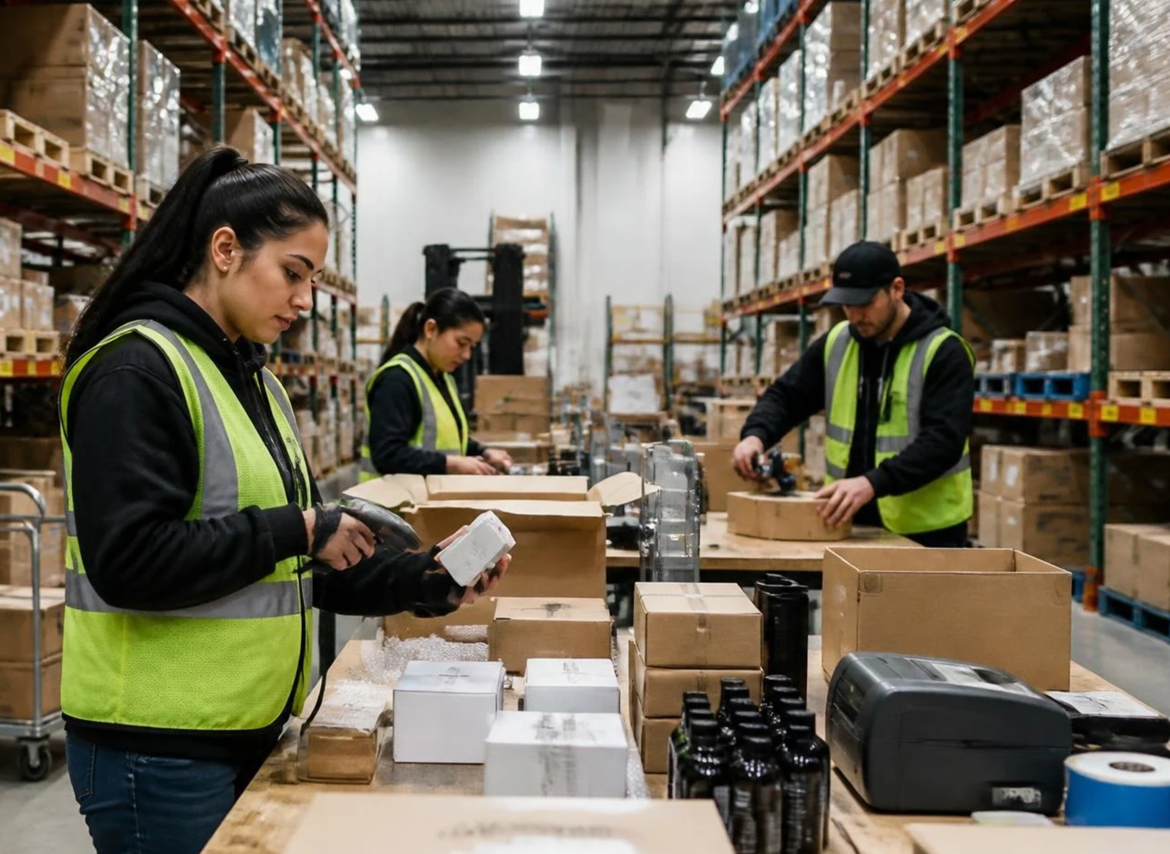
The rapid growth of eCommerce has transformed how businesses handle logistics, deliveries, and customer satisfaction. Today’s online shoppers expect fast shipping, accurate orders, and a smooth return process if something goes wrong. As a result, Advanced Order Fullfillment has become a crucial component of modern eCommerce operations.
Order fulfillment is no longer limited to picking, packing, and shipping products. It now involves inventory accuracy, automation, data analytics, and seamless coordination between warehouses, carriers, and customer service teams. At the same time, businesses must implement an efficient return management system to handle the growing volume of product returns.
Studies show that nearly 30% of online purchases are returned, especially in industries like fashion, electronics, and home goods. If businesses fail to manage returns effectively, they face increased operational costs, inventory disruptions, and dissatisfied customers. However, companies that adopt advanced fulfillment strategies and structured return systems can turn returns into opportunities for improving customer trust and loyalty.
In this blog, we will explore how Advanced Order Fullfillment combined with an efficient return management system can streamline operations, reduce costs, and enhance the overall shopping experience.
Why Advanced Order Fullfillment Matters in Modern eCommerce?
The expectations of online shoppers have evolved significantly in recent years. Customers want same-day shipping, accurate deliveries, transparent tracking, and flexible return options. Businesses that fail to meet these expectations often struggle to retain customers.
A well-structured Advanced Order Fullfillment strategy ensures that every order is processed quickly and accurately. It helps businesses maintain optimal inventory levels, reduce errors in shipments, and improve overall operational efficiency.
Moreover, advanced fulfillment systems enable companies to integrate multiple sales channels such as marketplaces, websites, and social commerce platforms. This integration ensures that orders from different channels are processed smoothly without delays or inventory mismatches.
Another critical benefit of advanced fulfillment is customer satisfaction. When orders are delivered correctly and on time, customers are more likely to trust the brand and make repeat purchases. Combined with an effective return management system, businesses can handle returns smoothly without damaging the customer experience.
Key Challenges Businesses Face in Managing Returns
Managing returns is one of the most complex aspects of eCommerce logistics. While returns are inevitable, poor handling can negatively impact both customer satisfaction and profitability.
One major challenge is the high cost of reverse logistics. Transporting returned products from customers back to warehouses often costs more than delivering the product in the first place. Businesses must also inspect, repackage, and restock returned items, which increases operational expenses.
Another issue is inventory disruption. When returned items are not processed quickly, they remain unavailable for resale, affecting stock accuracy and sales potential.
Fraudulent returns are also a growing concern. Some customers misuse return policies by sending back damaged items, returning counterfeit products, or repeatedly ordering and returning products. Without a reliable return management system, such activities can cause significant revenue loss.
Additionally, complicated return processes frustrate customers. If customers struggle to initiate or track a return, they may lose trust in the brand and choose competitors for future purchases.
Fill out the form for a free logistics consultation!

You can contact us directly and schedule your shipment now
Advanced Order Fullfillment Strategies to Reduce Returns
To minimize return rates and improve operational efficiency, businesses must adopt modern fulfillment strategies that enhance accuracy, speed, and transparency.
-
Real-Time Inventory Visibility
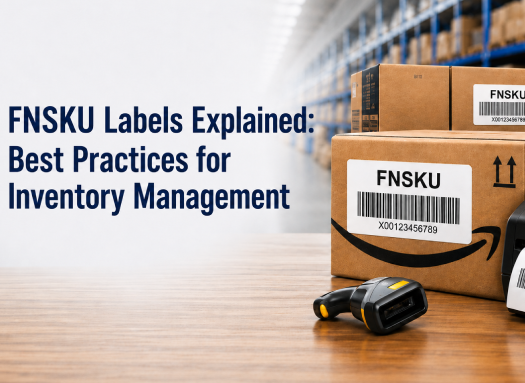
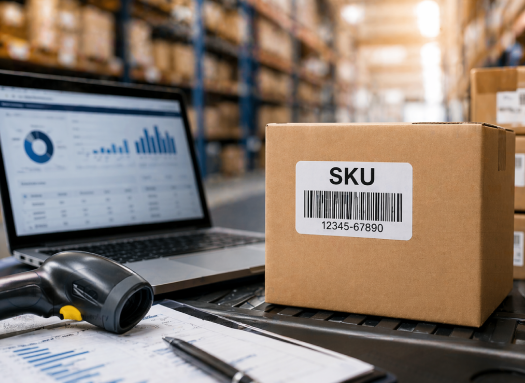
Accurate inventory management is the foundation of successful Advanced Order Fulfillment. Real-time inventory tracking ensures that businesses always know the exact stock levels across warehouses and fulfillment centers. Technologies like cloud-based warehouse management systems, RFID tags, and barcode scanners help prevent overselling and incorrect shipments. -
Automation in Warehouse Operations
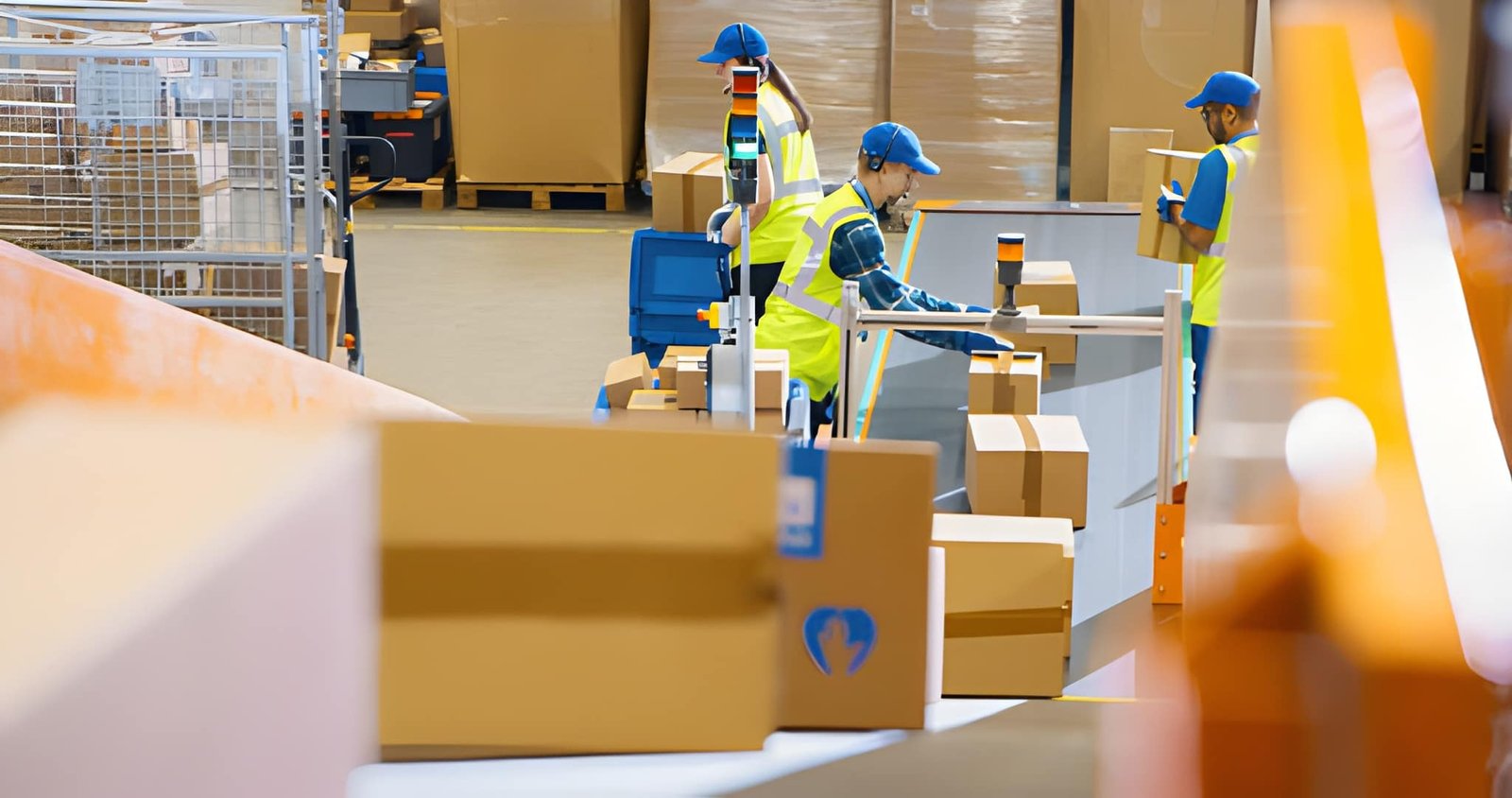
Automation tools such as robotic picking systems, automated sorting conveyors, and barcode scanning technology significantly reduce human errors. Automated fulfillment centers process orders faster and more accurately, lowering the chances of incorrect shipments that lead to returns. -
Smart Packaging and Damage Prevention
Product damage during transit is a major reason for returns. Businesses can minimize this issue by using protective packaging materials, proper cushioning, and optimized box sizes. Smart packaging also ensures items remain secure during long-distance transportation. -
Accurate Product Descriptions and Visual Content
Many returns occur because customers receive products that do not match their expectations. Providing detailed product descriptions, high-quality images, and size guides can reduce misunderstandings and minimize return requests. -
Demand Forecasting Using Data Analytics
Data-driven demand forecasting allows businesses to stock the right products at the right time. By analyzing customer purchasing patterns, companies can improve inventory planning and reduce fulfillment errors. -
Multi-Warehouse Fulfillment Strategy
Distributing inventory across multiple warehouses allows businesses to ship products from the nearest location. This reduces shipping time, lowers logistics costs, and improves delivery accuracy.
Smart Returns Strategies for Modern eCommerce Businesses
A well-designed return management system helps businesses handle returns efficiently while maintaining a positive customer experience.
-
Transparent and Customer-Friendly Return Policies
Customers feel more confident purchasing from brands that offer simple and clear return policies. Providing clear instructions, return timelines, and eligibility criteria helps reduce confusion and improves trust.
-
Streamlined Reverse Logistics
Efficient reverse logistics ensures returned products move quickly from customers back to warehouses. Businesses can partner with third-party logistics providers or set up centralized return centers to speed up this process.
-
Omnichannel Return Options
Modern consumers prefer flexible return options. Allowing customers to return items through courier pickups, drop-off points, or physical stores makes the process more convenient and improves customer satisfaction.
-
Automated Return Processing
Automation in returns processing allows businesses to inspect, categorize, and restock returned items quickly. This reduces manual work and ensures products are available for resale sooner.
-
Reselling and Refurbishing Returned Products
Instead of discarding returned items, businesses can resell them as refurbished products or discounted items. This approach helps recover lost revenue and reduces waste.
-
Fraud Detection and Policy Control
Using analytics tools within the return management system helps businesses detect suspicious return behavior and prevent policy abuse.
Role of Technology in Advanced Order Fullfillment and Returns
Technology plays a critical role in improving fulfillment efficiency and returns management. Modern tools help businesses automate operations, improve visibility, and reduce manual errors.
Warehouse Management Systems (WMS) provide real-time visibility into inventory levels, order status, and warehouse performance. These systems streamline picking, packing, and shipping processes, making Advanced Order Fullfillment more efficient.
Artificial intelligence and machine learning help businesses analyze customer behavior and predict return patterns. By identifying the root causes of frequent returns, companies can improve product quality, descriptions, and fulfillment accuracy.
Internet of Things (IoT) devices enable businesses to monitor product conditions during transportation. Sensors can track temperature, humidity, and location to ensure sensitive products arrive safely.
Blockchain technology is also emerging as a powerful tool in supply chain transparency. It provides secure tracking of shipments and returns, helping businesses prevent fraud and ensure accountability across the supply chain.
Together, these technologies enhance both order fulfillment and the return management system, allowing businesses to deliver a seamless customer experience.
Best Practices to Balance Customer Satisfaction and Profitability
To maintain long-term success in eCommerce, businesses must strike a balance between providing excellent customer service and controlling operational costs.
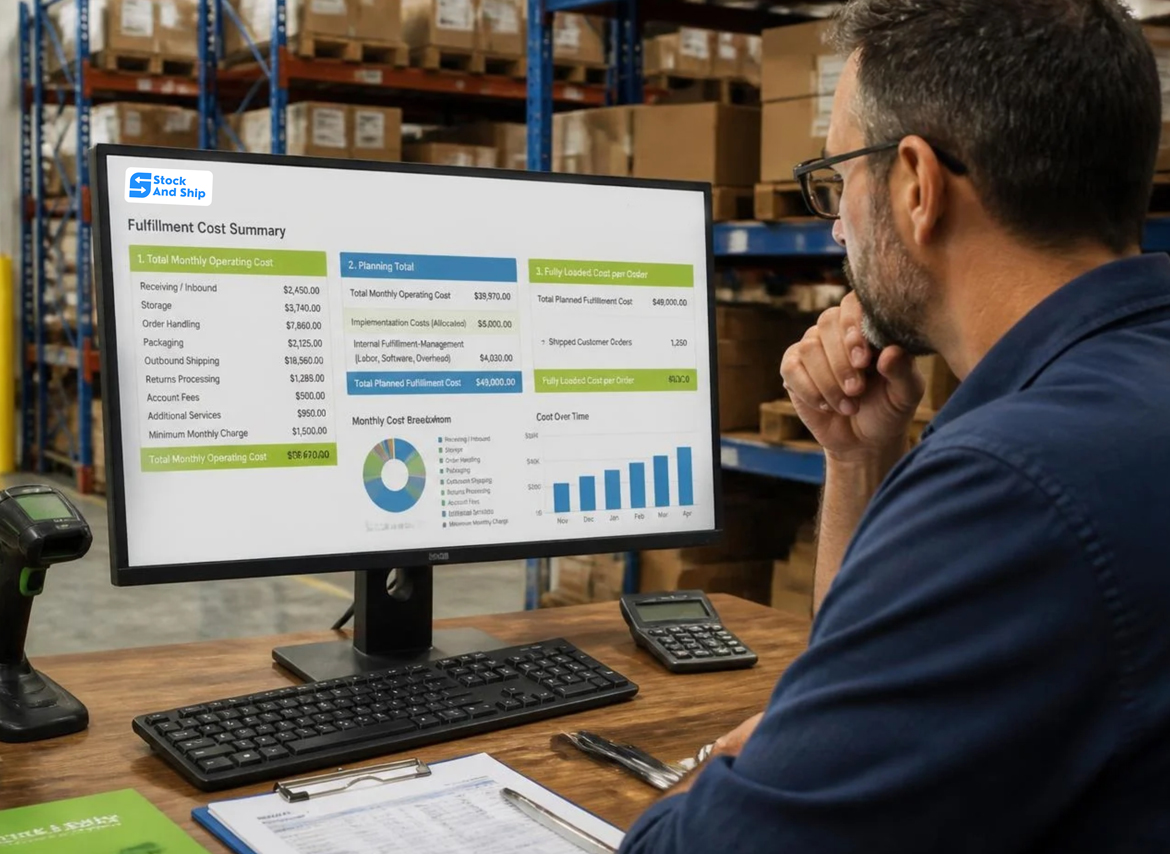
Companies should track key fulfillment metrics such as order accuracy rate, delivery speed, return rate, and customer satisfaction score. These performance indicators help identify areas that need improvement.
Businesses should also regularly review return policies to ensure they remain fair to customers while protecting the company from abuse.
Employee training is another important factor. Staff should be familiar with advanced fulfillment technologies, warehouse processes, and customer service practices.
Partnering with reliable logistics providers can further improve shipping efficiency and returns handling. A strong partnership ensures faster deliveries and smoother reverse logistics.
Finally, using data analytics to analyze return trends helps businesses understand why customers return products and implement strategies to prevent those issues in the future.
Frequently Asked Questions (FAQ)
What is Advanced Order Fullfillment in eCommerce?
Advanced Order Fullfillment refers to modern order processing systems that use automation, data analytics, and advanced logistics technologies to manage inventory, process orders, and deliver products efficiently.
Why is a return management system important for online businesses?
A return management system helps businesses handle product returns efficiently by streamlining reverse logistics, improving inventory accuracy, and maintaining customer satisfaction.
How can businesses reduce product returns?
Businesses can reduce returns by improving product descriptions, ensuring accurate order fulfillment, using protective packaging, and implementing real-time inventory tracking systems.
What technologies support Advanced Order Fullfillment?
Technologies such as Warehouse Management Systems (WMS), AI-driven analytics, automation tools, IoT tracking devices, and blockchain solutions support advanced fulfillment operations.
Can returns actually benefit an eCommerce business?
Yes. When handled properly, returns can improve customer trust, encourage repeat purchases, and provide valuable data that helps businesses improve products and fulfillment processes.
Final Thoughts
In the highly competitive world of eCommerce, efficient logistics and customer experience are key factors that determine business success. Implementing Advanced Order Fullfillment strategies allows businesses to process orders faster, reduce errors, and deliver products accurately.
At the same time, an efficient return management system ensures that returned products are handled smoothly without disrupting operations. Instead of viewing returns as a loss, businesses can use them as an opportunity to strengthen customer relationships and improve operational efficiency.
By combining advanced fulfillment technology, customer-friendly return policies, and data-driven decision-making, companies can create a seamless shopping experience that encourages repeat purchases and long-term loyalty.
Businesses that invest in smarter fulfillment and returns strategies will not only reduce operational costs but also gain a significant competitive advantage in the evolving eCommerce landscape.