


Sending inventory directly from your supplier to an Amazon prep center can simplify your fulfillment process, improve inventory management, and help ensure your products are prepared before arriving at an Amazon fulfillment center. Whether you are an Amazon wholesale reseller, private-label seller, or international brand, understanding the process is essential for managing inventory efficiently.
In this guide, you will learn how to coordinate supplier shipments, prepare inventory information, choose the right shipping method, manage labeling and packaging, and forward products to Amazon FBA.
Table of Contents
- What Is an Amazon Prep Center?
- Benefits of Using an Amazon Prep Center
- How to Send Inventory to an Amazon Prep Center
- Choosing the Right Shipping Method
- Documents and Information Required
- Common Mistakes to Avoid
- Supplier-to-Prep-Center Checklist
- Frequently Asked Questions
What Is an Amazon Prep Center?
An Amazon prep center is a third-party logistics facility that receives products from suppliers, inspects inventory, performs agreed-upon preparation tasks, and helps sellers prepare shipments for Amazon fulfillment centers.
Depending on the provider and service agreement, preparation services may include product labeling, protective packaging, bundling, poly bagging, inventory counting, carton organization, and shipment forwarding. Some providers also offer inventory storage and additional fulfillment services.
Using a prep center can be particularly useful when purchasing products from multiple wholesale suppliers or managing inventory from different manufacturers. Instead of coordinating every preparation task yourself, you can arrange for a third-party provider to handle the required work.
Before selecting a provider, confirm its service capabilities, receiving procedures, pricing, processing times, and product acceptance policies.
Benefits of Using an Amazon Prep Center
1. Manage Inventory from Multiple Suppliers
If you purchase products from several wholesalers or manufacturers, a prep center can receive inventory at a central location. Depending on the facility's capabilities, shipments can be inspected, organized, and prepared before being forwarded to Amazon.
2. Inspect Products Before Shipping
A receiving inspection can help identify visible damage, incorrect quantities, missing products, and packaging problems before inventory is sent to Amazon. Confirm the inspection scope with your provider because a basic receiving check may not include a detailed product-quality inspection.
3. Simplify Product Labeling and Packaging
Amazon inventory may require specific product identification, protective packaging, bundling, or other preparation depending on the product and current requirements. A qualified prep center can perform the agreed tasks and report any issues before forwarding the shipment.
4. Improve Inventory Visibility
Receiving reports, SKU counts, purchase order references, and shipment records help sellers understand what has arrived, what is awaiting preparation, and what has been dispatched to Amazon.
5. Save Time and Support Business Growth
Outsourcing suitable preparation tasks can allow sellers to focus on sourcing, pricing, advertising, and business development. Compare receiving fees, storage charges, preparation costs, shipping rates, and additional handling fees before choosing a provider.
How to Send Inventory from a Supplier to an Amazon Prep Center
Step 1: Choose the Right Amazon Prep Center
Select a prep center based on your product category, inventory volume, shipping origin, required services, and intended Amazon destinations. Confirm that the facility accepts your products and can handle the preparation tasks you need.
Before choosing a provider, ask the following questions:
- What are the receiving and processing fees?
- Can the facility handle your specific product category?
- Does it provide inspection, labeling, packaging, and storage?
- How are damaged or unexpected shipments reported?
- Are delivery appointments required?
- What are the expected receiving and processing times?
Step 2: Prepare Your Purchase Order and Product Details
Before your supplier dispatches the inventory, prepare an accurate purchase order and share the relevant information with your prep center. This helps the receiving team identify the shipment and compare the delivered quantities against the expected inventory.
Include the following information where applicable:
- Supplier name and contact information
- Purchase order number
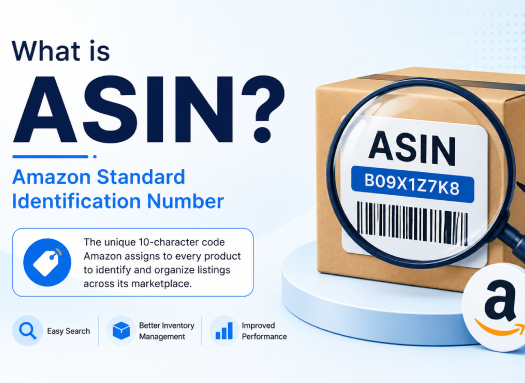
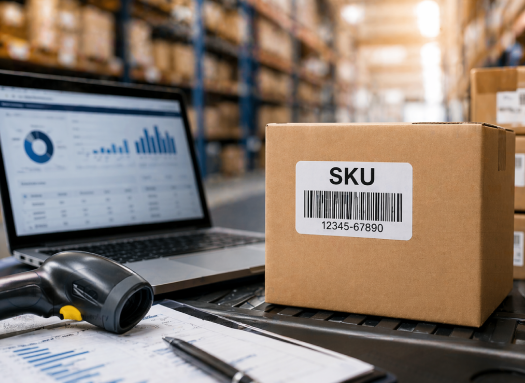
- Product names, SKUs, and ASINs
- Expected quantities for each SKU
- Number of cartons and units per carton
- Product dimensions and weights
- Expected dispatch and delivery dates
- Special handling, packaging, or labeling instructions
Ask your prep center whether it requires advance shipment notifications, carton-level packing lists, delivery appointments, or specific reference numbers.
Step 3: Confirm Amazon Preparation Requirements
Review the preparation requirements for every product before the supplier ships it. Requirements can vary according to product category, condition, packaging, barcode eligibility, and fulfillment program.
Confirm whether each SKU requires:
- An eligible manufacturer barcode or Amazon barcode
- Individual protective packaging
- Poly bagging, bubble wrapping, or other protection
- Bundling or multipack preparation
- Expiration-date information where applicable
- Special handling or restricted-product review
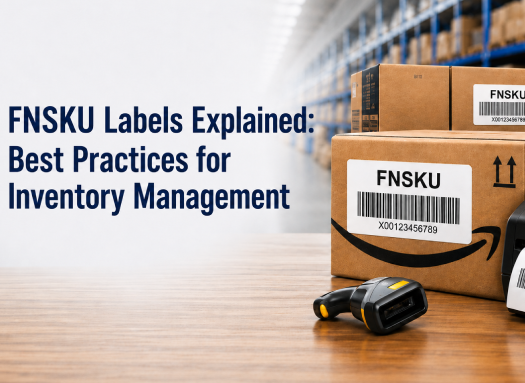
Do not assume every product requires an FNSKU label or that every manufacturer barcode is acceptable. Confirm the correct identification method for each SKU in Amazon Seller Central.
Step 4: Send Clear Instructions to Your Supplier
Provide your supplier with clear dispatch instructions, including the delivery address, purchase order reference, product quantities, carton requirements, and any special packaging instructions.
If your prep center requires cartons to be separated by SKU or marked with purchase order references, communicate these requirements before packing begins. Ask the supplier to notify you of substitutions, shortages, split shipments, or dispatch delays.
For international shipments, coordinate the exporter, importer of record, customs broker, and prep center as appropriate. Confirm responsibility for import documentation, duties, and customs clearance before the goods leave the country of origin.
Step 5: Choose the Right Shipping Method
Select a shipping method based on shipment weight, dimensions, urgency, origin, destination, and total transportation cost.
- Small parcel delivery: Suitable for many smaller cartons and frequent replenishment shipments.
- Less-than-truckload freight: May be appropriate for larger palletized shipments that do not require an entire truck.
- Full truckload: May suit high-volume shipments that justify dedicated truck capacity.
- International freight: Air or ocean freight may be suitable for cross-border inventory, depending on urgency, volume, and cost.
Request a shipping quote that includes applicable transportation charges, fuel surcharges, accessorial fees, customs-related costs, and delivery appointment requirements. Confirm that the prep center can receive the selected shipment type.
Step 6: Share Tracking Information
Once the supplier dispatches the inventory, collect the carrier name, tracking number or freight reference, dispatch date, carton count, and estimated delivery date. Send these details to your prep center.
For palletized freight, confirm whether the carrier needs a delivery appointment, pallet information, or special receiving instructions. Keep purchase order and shipment references consistent so the receiving team can identify the delivery.
Step 7: Receive and Inspect the Inventory
After delivery, the prep center should follow the agreed receiving procedure. This may include recording carton counts, checking visible damage, counting units, comparing received quantities with the packing list, and documenting discrepancies.
Ask the facility to report missing products, overages, damaged cartons, incorrect SKUs, or other exceptions. Resolve discrepancies with your supplier before approving additional work whenever possible.
Remember that receiving inventory does not automatically confirm that every product meets Amazon's requirements. Any detailed inspection must be included in the service agreement.
Step 8: Complete Preparation and Labeling
Once the inventory has been received and reconciled, the prep center can perform the agreed services. These may include applying the correct labels, preparing individual units, assembling approved bundles, protecting products, and organizing cartons for shipment.
Request confirmation when the work is complete. For important or high-volume shipments, agree on how preparation records, sample checks, and exceptions will be reported.
Step 9: Create Your Amazon FBA Shipment Plan
Use the current Send to Amazon workflow in Seller Central to select the inventory, confirm quantities, enter packing details, and follow the shipment steps applicable to your shipment type and carrier.
Amazon determines the fulfillment center or centers assigned to your shipment. Do not assume you can choose any warehouse or use the same destination for every replenishment.
Coordinate the shipment plan with your prep center so the correct inventory is packed and sent to the assigned destination. Share the required box or pallet labels and carrier instructions before dispatch.
Step 10: Forward Inventory to Amazon and Track Delivery
After preparation and shipment planning are complete, arrange carrier pickup or delivery. Ensure that the required shipment labels are applied correctly and that the carrier receives the necessary documentation.
Update shipment tracking information in Seller Central as required. Monitor delivery, investigate exceptions, and compare the quantity shipped with the quantity received by Amazon.
Keep receiving reports, preparation records, shipment references, and carrier tracking details together. These records can help when investigating shortages or receiving discrepancies.
Choosing the Right Shipping Method
The best shipping method depends on your order size, shipping origin, delivery deadline, and the receiving capabilities of your prep center.
| Shipping Method | Best Suited For | What to Check |
|---|---|---|
| Small Parcel | Smaller cartons and replenishment orders | Carton dimensions, tracking, and delivery limits |
| LTL Freight | Medium or larger palletized shipments | Pallet dimensions, appointments, and additional fees |
| Full Truckload | Large-volume inventory movements | Truck capacity, loading requirements, and scheduling |
| International Freight | Cross-border supplier shipments | Transit time, customs, duties, and importer responsibilities |
Compare the complete cost rather than the freight rate alone. Receiving charges, storage, preparation, relabeling, customs costs, and onward shipping may all affect your final fulfillment cost.
Documents and Information Required
Prepare the appropriate documents before the shipment leaves the supplier. Requirements depend on the products, origin, shipping method, and whether the movement is domestic or international.
- Purchase order: Identifies the products and quantities ordered.
- Packing list: Describes carton contents, quantities, and shipment configuration.
- Commercial invoice: Generally relevant to international commercial shipments and customs clearance.
- Shipment tracking or freight reference: Helps the receiving team monitor the delivery.
- Product and labeling instructions: Explain the preparation tasks required for each SKU.
- Customs and product compliance documents: Required where applicable to the goods and destination.
Check with your supplier, carrier, customs broker, and prep center to confirm which documents are necessary for your shipment.
Common Mistakes to Avoid When Shipping Inventory
Incorrect Product or Carton Quantities
Differences between the purchase order, packing list, and actual delivery can delay receiving. Ask suppliers to confirm final carton counts and report any changes before dispatch.
Missing or Incorrect Labels
Incorrect product labels or shipment labels can cause identification problems. Confirm which labels are required at the supplier, prep center, and Amazon shipment stages. Do not reuse unique shipment labels.
Poor Packaging
Weak cartons, inadequate product protection, and incorrect packaging can result in damage during transportation. Confirm packaging standards appropriate for your products and shipping method.
Unplanned Delivery Arrangements
Some facilities require advance notice, receiving appointments, or special instructions for freight deliveries. Confirm these details before booking the carrier.
Ignoring the Total Fulfillment Cost
A low freight quote may not represent the lowest total cost. Compare receiving, storage, inspection, preparation, labeling, and onward shipping fees before choosing your workflow.
Creating the Amazon Shipment Too Late
Shipment planning and destination assignments should be coordinated with inventory preparation. Confirm the current Amazon workflow and share the necessary shipment information with your prep center before the goods are packed for forwarding.
Supplier-to-Prep-Center Shipping Checklist
Use this checklist before dispatching your next inventory shipment.
- Choose a prep center that supports your products and workflow.
- Confirm the purchase order and expected quantities.
- Share SKU, ASIN, carton, and product information.
- Confirm current Amazon preparation and barcode requirements.
- Send the supplier clear packing and delivery instructions.
- Choose a suitable shipping method and confirm the total cost.
- Provide tracking information and expected delivery dates.
- Confirm receiving appointments or freight requirements.
- Reconcile received quantities and document discrepancies.
- Complete preparation and labeling checks.
- Coordinate the Send to Amazon shipment plan and labels.
- Track delivery and retain shipment records.
Frequently Asked Questions
Can my supplier ship inventory directly to an Amazon prep center?
Yes. A supplier can generally ship products to a third-party prep center when the facility accepts the shipment and the parties have agreed on receiving arrangements. Provide the correct address, purchase order reference, packing details, and required delivery instructions.
Should I ship products to Amazon or to a prep center first?
It depends on your supplier's capabilities, product requirements, and fulfillment workflow. Direct shipping may work when products are already compliant and ready for the assigned Amazon destination. A prep center can be useful when you need receiving checks, preparation, labeling, consolidation, or additional inventory handling.
Does an Amazon prep center apply FNSKU labels?
A prep center may offer FNSKU labeling as part of its services. Confirm the required barcode for each SKU in Seller Central and provide the correct label files or instructions. Not every product necessarily requires an FNSKU label.
How much does it cost to use an Amazon prep center?
Costs vary by provider and service scope. Charges may include receiving, inspection, labeling, packaging, storage, bundling, special handling, and shipping. Request an itemized quote based on your products, quantities, and expected shipment frequency.
Can European sellers send inventory to a US prep center?
Yes, subject to the provider's acceptance policies and applicable import, customs, product-compliance, and shipping requirements. Confirm who will act as importer of record and who is responsible for duties and customs clearance before dispatch.
What happens after the prep center finishes preparing my inventory?
The seller or its authorized service provider coordinates the next shipment according to the current Amazon Send to Amazon workflow. Inventory is packed, labeled as required, shipped to the assigned fulfillment center, and tracked through delivery and receiving.
Final Thoughts
Sending inventory from a supplier to an Amazon prep center can create a more organized fulfillment workflow. With clear supplier instructions, accurate inventory records, suitable shipping arrangements, and preparation checks, sellers can improve visibility and reduce avoidable handling problems.
The key is to coordinate every stage: supplier dispatch, prep-center receiving, inventory preparation, Amazon shipment planning, and final delivery. Review current Amazon requirements before each shipment because preparation, labeling, and routing rules can change.
Need Help with Your Amazon FBA Inventory?
Stock & Ship helps Amazon sellers manage inventory preparation and fulfillment logistics. If you need support with supplier shipments, inventory receiving, labeling, packaging, or forwarding to Amazon, contact our team to discuss your requirements and confirm the services available for your products.
Contact Stock & Ship to discuss your inventory and fulfillment needs.