

Table of Contents
- Introduction
- What is an FNSKU Label and Why It Matters?
- How FNSKU Labels Work in Amazon’s Fulfillment System?
- Common Mistakes Sellers Make with FNSKU Labels
- Best Practices for Using FNSKU Labels in Inventory Management
- Tools and Strategies to Streamline FNSKU Labeling
- Frequently Asked Questions (FAQs)
- Final Thoughts
Introduction
In the fast-moving world of Amazon FBA, precision is everything. A single labeling mistake can delay shipments, increase costs, or even lead to inventory rejection. That’s where the FNSKU label becomes critical.
If you’re an Amazon seller aiming to scale efficiently, understanding how FNSKU labeling works is not optional—it’s essential. From identifying your products uniquely within Amazon’s fulfillment network to ensuring accurate tracking, the FNSKU barcode plays a vital role in maintaining operational accuracy.
This guide breaks down everything you need to know about FNSKU labels, including best practices, common pitfalls, and expert strategies to improve your inventory management system. Whether you’re a beginner or an experienced seller using FNSKU amazon, this article will help you stay compliant and competitive.
What is an FNSKU Label and Why Does It Matters?
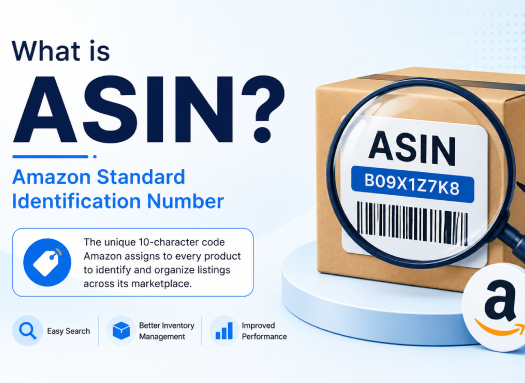
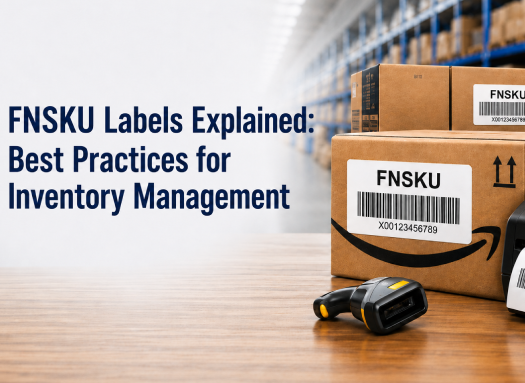
An FNSKU label (Fulfillment Network Stock Keeping Unit) is a unique identifier assigned by Amazon to products fulfilled through its FBA program. Unlike standard UPC or EAN codes, the FNSKU is specific to your seller account, ensuring that your inventory is tracked independently.
When multiple sellers offer the same product, Amazon uses the FNSKU barcode to differentiate inventory. This prevents commingling issues and ensures that customers receive the exact product from the correct seller.
The importance of FNSKU labels lies in three major areas:
- Inventory Accuracy: Each item is uniquely tracked within Amazon warehouses.
- Seller Protection: Prevents mixing your inventory with other sellers’ products.
- Compliance: Required for most FBA shipments under Amazon’s labeling policies.
Without proper labeling, your products may face delays, relabeling fees, or rejection at fulfillment centers.
How FNSKU Labels Work in Amazon’s Fulfillment System?
When you create a shipment in Amazon Seller Central, the platform generates an FNSKU amazon code for each product. This code is then converted into a scannable FNSKU barcode, which must be printed and applied to each unit.
Once your shipment arrives at an Amazon fulfillment center, the barcode is scanned during receiving. This allows Amazon’s system to:
- Identify the product
- Assign it to your inventory
- Track its movement through storage, picking, packing, and shipping
The FNSKU essentially acts as the backbone of Amazon’s inventory tracking system. It ensures that every product is accounted for at every stage of the fulfillment process.
It’s important to note that Amazon may require you to cover existing manufacturer barcodes (like UPCs) to avoid confusion. This ensures that only the FNSKU label is used for identification within their system.
Fill out the form for a free logistics consultation!

You can contact us directly and schedule your shipment now
Common Mistakes Sellers Make with FNSKU Labels
Even experienced sellers can run into issues with FNSKU labeling. These mistakes often lead to unnecessary costs and operational inefficiencies.
Here are some of the most common errors:
-
Incorrect Label Placement
Placing the label on curved surfaces, edges, or seams can make it unscannable. -
Low-Quality Printing
Blurry or faded FNSKU barcode labels can fail during scanning, causing delays. -
Not Covering Existing Barcodes
Leaving UPC or EAN codes visible can confuse Amazon’s system. -
Using the Wrong FNSKU
Applying labels to the wrong product SKU leads to inventory mismatches. -
Skipping Labeling Requirements
Assuming Amazon will label products for free can result in unexpected fees.
Avoiding these mistakes is key to maintaining smooth operations and protecting your seller account.
Best Practices for Using FNSKU Labels in Inventory Management
To maximize efficiency and accuracy, sellers must adopt proven best practices when handling FNSKU label requirements.
First, always ensure that your labels are printed using high-resolution printers. Thermal printers are often preferred because they produce clear and durable FNSKU barcode labels that resist smudging.
Second, label placement should be consistent and easily scannable. Ideally, place the label on a flat surface where it is clearly visible. Avoid corners, edges, or packaging folds.
Third, implement a quality control process before shipping inventory. Double-check that each product has the correct FNSKU amazon label and that all other barcodes are properly covered.
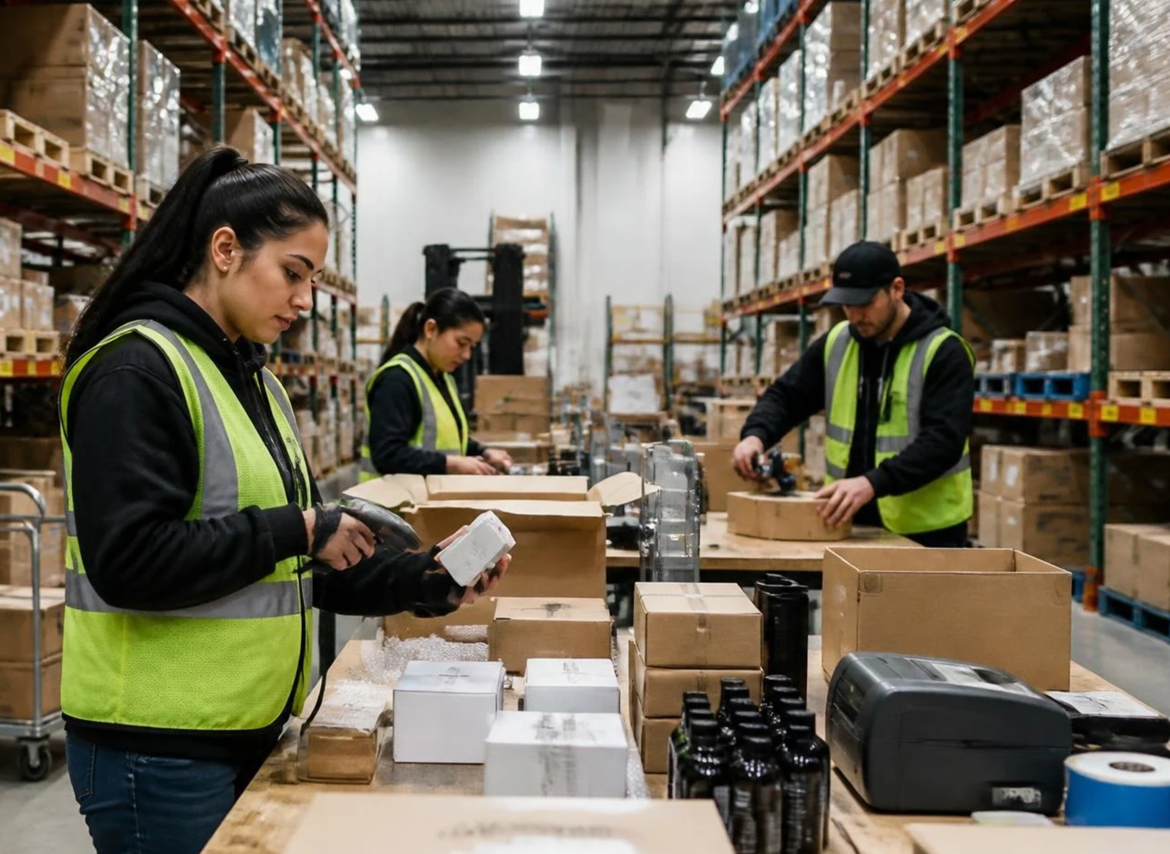
Additionally, consider integrating labeling into your overall warehouse workflow. This includes assigning trained staff or using automated systems to handle labeling tasks efficiently.
Finally, maintain proper documentation of your SKUs and FNSKU assignments. This helps prevent confusion when managing large inventories or multiple product variations.

Tools and Strategies to Streamline FNSKU Labeling
Efficient labeling is not just about accuracy it’s also about speed and scalability. As your business grows, manual processes can become bottlenecks.
Modern sellers rely on a combination of tools and strategies to streamline operations:
-
Inventory Management Software
These systems integrate with Amazon to generate and track FNSKU label data automatically. -
Thermal Label Printers
Provide consistent, high-quality FNSKU barcode outputs for large volumes. -
Prep Centers and 3PL Services
Outsourcing labeling to professionals ensures compliance and saves time. -
Barcode Scanners
Help verify labels before shipping, reducing errors significantly. -
Workflow Automation
Automating repetitive tasks minimizes human error and improves efficiency.
By leveraging these tools, sellers can focus more on growth strategies rather than operational challenges.
Frequently Asked Questions (FAQs)
What is an FNSKU label in Amazon FBA?
An FNSKU label is a unique barcode assigned by Amazon to identify products within its fulfillment network. It ensures that inventory is tracked per seller.
Is FNSKU different from a UPC barcode?
Yes, a UPC is a universal product code, while an FNSKU barcode is specific to Amazon and tied to your seller account.
Do I need to label every product with an FNSKU?
In most cases, yes. Amazon requires an FNSKU amazon label for products that are not using manufacturer barcodes.
What happens if I don’t use the correct FNSKU label?
Incorrect labeling can lead to shipment delays, additional fees, or even inventory rejection by Amazon.
Can Amazon apply FNSKU labels for me?
Yes, Amazon offers a labeling service for a fee, but many sellers prefer handling FNSKU label processes themselves or through prep centers to save costs.
Final Thoughts
Mastering the use of the FNSKU label is a fundamental step toward building a successful Amazon FBA business. It not only ensures compliance with Amazon’s requirements but also plays a crucial role in maintaining inventory accuracy and operational efficiency.
From understanding how the FNSKU barcode works to implementing best practices and avoiding common mistakes, every detail matters. As competition on fnsku amazon continues to grow, sellers who prioritize precision and efficiency will always have the upper hand.
By adopting the strategies outlined in this guide, you can streamline your inventory management, reduce errors, and scale your business with confidence.

George Anderson
George Anderson is a digital marketer and content strategist specializing in eCommerce, logistics, and fulfillment. He helps brands streamline operations, scale sustainably, and enhance customer experiences through data-driven strategies and advanced technology.