


That is where an Amazon FBA prep center for wholesale sellers can make a difference.
Instead of managing every preparation task internally, sellers can work with a specialized fulfillment partner that receives inventory, prepares products according to requirements and helps move inventory efficiently toward Amazon.
But not every prep center is the same.
The right provider should fit your inventory volume, product requirements, shipping workflow and growth plans.
What Does an FBA Prep Center Do for Wholesale Sellers?
An FBA prep center acts as an operational link between your suppliers and Amazon.
A typical workflow may include:
- Receiving inventory
- Inspecting products
- Checking quantities
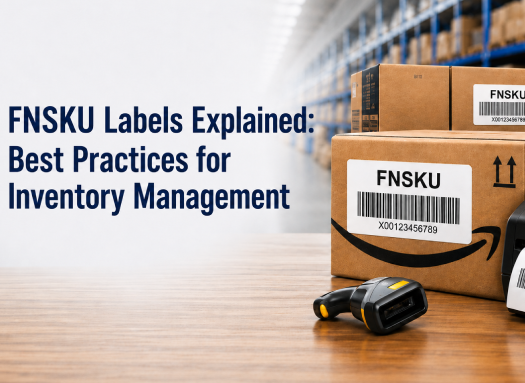
- Applying FNSKU labels
- Applying required warning or expiration labels
- Polybagging products when required
- Bundling or kitting
- Preparing cartons
- Storing inventory
- Creating or supporting shipment preparation
- Forwarding inventory to Amazon
Fill out the form for a free logistics consultation!
For wholesale sellers, this workflow can become particularly important because inventory may arrive in larger quantities and across multiple SKUs.
A structured preparation process can reduce the amount of repetitive warehouse work your team has to manage.
Why Wholesale Inventory Needs a Different Approach
Wholesale sellers often purchase products in larger quantities than individual arbitrage orders.
That means a prep partner needs to be capable of handling:
- Higher unit volumes
- Multiple SKUs
- Repeated supplier shipments
- Carton and pallet deliveries
- Consistent labeling
- Inventory tracking
- Volume-based pricing
- Regular Amazon shipments
The goal is not simply to find the cheapest per-unit preparation rate.
The goal is to find a workflow that remains efficient as your inventory volume grows.
8 Things to Check Before Choosing an FBA Prep Center
1. Check the Receiving Process
Ask how the prep center handles incoming inventory.
Important questions include:
- How are shipments checked?
- Are damaged units identified?
- How are discrepancies reported?
- Can suppliers ship directly to the warehouse?
- Are palletized or LTL shipments accepted?
- How quickly is inventory received into the system?
A clear receiving process helps prevent problems later in the fulfillment cycle.
2. Understand What Is Included in the Prep Fee
A low headline price does not always mean a low total cost.
Ask exactly what the standard preparation fee includes.
For example:
- Receiving
- Inspection
- FNSKU labeling
- Polybags
- Warning labels
- Expiration labels
- Dunnage
- Storage
- Shipment preparation
Also ask which materials or special handling services cost extra.
The objective is to compare the complete cost per prepared unit, not just the advertised base rate.
3. Look for Transparent Volume Pricing
Wholesale sellers should look for pricing that makes sense at their expected volume.
A provider may offer different rates for:
- Small-volume orders
- Medium-volume wholesale
- Large wholesale shipments
- High-volume recurring accounts
Volume-based pricing can become increasingly important as a seller scales.
For example, Stock & Ship currently publishes wholesale FBA pricing ranging from $1.30 per unit at 500–1,000 units to $0.95 per unit at 5,000+ units, subject to its stated wholesale requirements.
Always confirm current pricing directly with the provider before making a decision.
4. Check Product Preparation Capabilities
Not every product requires the same preparation process.
Before signing up, confirm that the prep center can handle your product categories and requirements.
Ask about:
- Standard products
- Apparel
- Shoes
- Oversized products
- Fragile products
- Bundles
- Multipacks
- Expiration-dated products
- Special labeling requirements
If your catalog changes frequently, flexibility can be just as important as price.
5. Evaluate Storage
Wholesale inventory may arrive before you are ready to send everything to Amazon.
For that reason, storage is an important part of the workflow.
Consider:
- Storage pricing
- Free storage periods
- Pallet storage
- Shelf storage
- Inventory visibility
- Receiving capacity
- Long-term storage policies
A good storage process gives sellers more flexibility when managing inventory timing.
6. Review Turnaround Time
Speed matters, but consistency matters more.
Ask:
How long does it take from receiving inventory to preparing it for shipment?
Also ask whether turnaround times change during high-volume periods. Stock & Ship currently states an average turnaround of 24–48 hours on its website, although actual processing can depend on inventory and service requirements. Always verify current turnaround expectations before planning around them.
7. Look at the Shipping Workflow
Preparation is only one part of the process.
The next question is:
How efficiently can prepared inventory move toward Amazon?
Look for a provider that can support your shipment workflow and help reduce unnecessary handling between receiving and outbound shipping. For wholesale sellers, the ability to manage cartons, pallets and recurring shipments can become increasingly important as volume grows.
8. Consider Scalability
The best prep center for a 500-unit operation may not be the best choice when you reach 5,000 or 10,000 units.
Before selecting a provider, consider where your business is heading.
Ask:
- Can the warehouse handle increased volume?
- Are volume discounts available?
- Can multiple shipments be processed regularly?
- Can the provider support additional fulfillment services?
- Is inventory visibility available?
- Can the relationship scale with your business?
Choosing a partner based only on today’s volume can create unnecessary operational changes later.
Why Oregon Can Be Interesting for Amazon Sellers
Oregon is a sales-tax-free state, which is one reason sellers consider Oregon-based fulfillment and prep operations.
Location can also matter from a logistics perspective, depending on your suppliers, Amazon destinations and shipping strategy.
However, sellers should evaluate the complete logistics equation rather than selecting a warehouse based only on tax considerations.
Consider:
- Supplier locations
- Inbound freight costs
- Warehouse location
- Amazon destination requirements
- Outbound shipping rates
- Processing time
- Storage requirements
The best location is the one that works efficiently for your overall supply chain.
Wholesale FBA Prep Checklist
Before choosing a provider, ask these questions:
- Can my suppliers ship directly to the warehouse?
- Does the provider support my product categories?
- What is included in the standard prep fee?
- Are labels included?
- Is packaging included?
- What are the storage fees?
- What is the minimum monthly volume?
- Is wholesale pricing available?
- What is the expected turnaround?
- How are damaged or missing units handled?
- Can the provider handle palletized shipments?
- How is inventory tracked?
- What happens as my monthly volume increases?
If you can answer all of these questions clearly, you are in a much better position to choose the right partner.
Final Thoughts
Choosing an Amazon FBA prep center for wholesale sellers is an operational decision, not simply a price comparison. The right partner should provide a reliable receiving process, accurate preparation, transparent pricing, appropriate storage, dependable turnaround and the ability to scale with your business. For established sellers, these operational details can have a direct impact on how efficiently inventory moves from suppliers to Amazon. Stock & Ship provides wholesale FBA preparation and related fulfillment services from its Oregon facility, with published wholesale volume pricing and preparation services.
Ready to simplify your wholesale FBA workflow?
Contact Stock & Ship to discuss your inventory volume, preparation requirements and fulfillment needs.
Frequently Asked Questions
What is an Amazon FBA prep center?
An FBA prep center receives and prepares products before they are shipped to Amazon fulfillment centers. Services may include inspection, labeling, packaging, storage and shipment preparation.
Is an FBA prep center useful for wholesale sellers?
Yes. Wholesale sellers often handle larger inventory volumes and multiple SKUs, making outsourced receiving, preparation and storage useful for reducing operational workload.
What should I compare when choosing a prep center?
Compare the complete cost, receiving process, preparation services, storage, turnaround time, shipping workflow, minimum requirements and ability to scale.
Does every prep center accept wholesale inventory?
No. Requirements vary by provider. Some prep centers have minimum monthly volumes or minimum quantities per SKU, so confirm eligibility before sending inventory.
Can suppliers ship directly to an FBA prep center?
Many prep centers support direct supplier deliveries, but the receiving requirements vary. Confirm carton, pallet, labeling and shipment documentation requirements before arranging delivery.
Is the cheapest FBA prep center always the best?
Not necessarily. A lower base price can become more expensive if important services, materials, storage or handling are charged separately. Compare the complete cost and service level.
How quickly can wholesale inventory be prepared?
Turnaround depends on the provider, inventory volume, preparation requirements and warehouse workload. Always confirm the current expected turnaround before planning shipments.
What is the benefit of using an Oregon FBA prep center?
Oregon has no state sales tax, which can be an advantage for certain inventory operations. Sellers should still compare the complete logistics and fulfillment costs for their specific supply chain.