

Table of Contents
- Introduction
- What Is Amazon Standard Identification Number (ASIN)?
- Why Is an ASIN Important for Amazon Sellers?
- How Does Amazon Assign ASINs?
- How to Find an Amazon ASIN for Any Product?
- Common ASIN Mistakes Sellers Should Avoid
- Best Practices for Managing ASINs Successfully
- Frequently Asked Questions (FAQs)
- Final Thoughts
Introduction
Selling products on Amazon is no longer just about listing items online and waiting for customers to purchase them. The marketplace has evolved into a highly competitive ecosystem where organization, accuracy, and product visibility play a major role in success. One of the most essential elements behind Amazon’s product catalog system is the amazon standard identification number.
Every product listed on Amazon carries a unique code that helps the platform organize millions of listings efficiently. This identifier is known as an ASIN. Whether you are a new seller launching your first product or an experienced eCommerce brand scaling operations, understanding how ASINs work can improve inventory management, product discoverability, and listing optimization.
Many sellers often hear terms like asin amazon or amazon asin but fail to understand their actual purpose and impact on business growth. Learning about ASINs can help avoid listing errors, prevent duplicate products, and strengthen overall marketplace performance.
In this guide, you will learn what ASIN means, why it matters, how to locate it, and the best ways to manage it effectively for long-term Amazon selling success.
What Is Amazon Standard Identification Number (ASIN)?
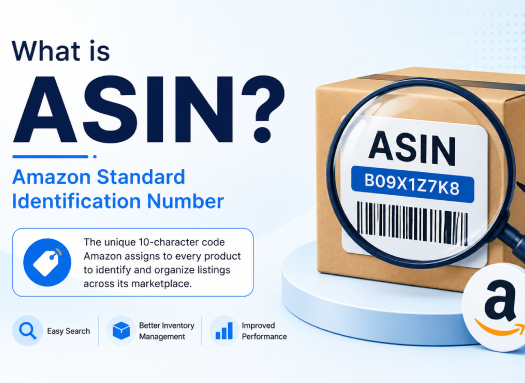
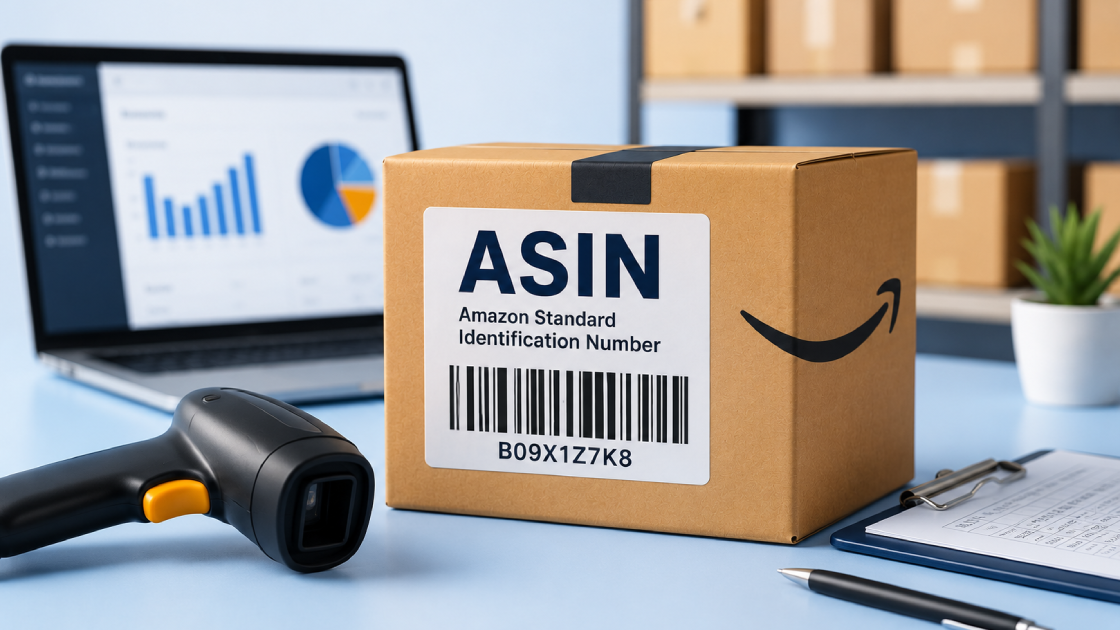
The amazon standard identification number is a unique 10-character alphanumeric code assigned by Amazon to identify products within its marketplace. Each product variation typically receives its own ASIN, allowing Amazon to maintain a structured and searchable catalog.
An ASIN acts like a digital fingerprint for products sold on Amazon. It helps customers locate items quickly while enabling Amazon to organize inventory efficiently across categories.
For example, if a seller lists a wireless keyboard, Amazon assigns a unique ASIN to that product. If the same keyboard comes in different colors or sizes, each variation may receive a separate ASIN.
The ASIN system allows Amazon to:
- Track products accurately across its marketplace
- Organize millions of product listings efficiently
- Improve customer search experiences
- Prevent duplicate product entries
- Manage inventory and fulfillment systems effectively
Unlike UPCs or ISBNs, ASINs are specifically created and used within Amazon’s ecosystem. Books listed on Amazon often use ISBN numbers as their ASINs, while non-book products receive custom-generated ASINs from Amazon.
Understanding the relationship between products and their ASINs is essential for maintaining accurate listings and improving operational efficiency.
Why is an ASIN Important for Amazon Sellers?
For sellers, the Amazon ASIN is more than just a product code. It directly influences visibility, sales management, advertising, and catalog organization.
When sellers properly manage ASINs, they improve the chances of customers finding products through Amazon search results. Since Amazon’s algorithm relies heavily on product data accuracy, properly assigned ASINs contribute to better indexing and discoverability.
ASINs are also essential for:
- Running Amazon PPC advertising campaigns
- Tracking product performance
- Monitoring competitor listings
- Managing FBA inventory
- Creating product variations
- Improving catalog consistency
Another important factor is customer trust. Incorrect ASIN usage can lead to misleading listings, poor customer experiences, and even account suspensions. Amazon strictly monitors duplicate or manipulated ASINs to maintain marketplace integrity.
For businesses scaling on Amazon, ASIN management becomes even more critical because inventory synchronization and product tracking depend heavily on accurate identification systems.
Professional sellers often analyze competitor ASINs to identify high-performing products, monitor pricing trends, and improve keyword strategies. This makes the ASIN Amazon structure a valuable tool not only for smart inventory management but also for competitive research and marketing optimization.
Fill out the form for a free logistics consultation!

You can contact us directly and schedule your shipment now
How Does Amazon Assign ASINs?
Amazon automatically generates ASINs whenever a new product is added to its marketplace catalog. However, the process depends on whether the product already exists in Amazon’s system.
If a product already exists, sellers typically attach their offer to the existing ASIN instead of creating a new one. This helps Amazon avoid duplicate listings and maintain a centralized catalog.
If the product is completely new, Amazon creates a fresh ASIN during the listing process.
Several factors influence ASIN assignment:
- Product title
- Brand name
- Category
- Product attributes
- Variation details
- Manufacturer information
Amazon’s catalog system compares submitted product data against existing listings before generating a unique ASIN. This ensures consistency across the platform.
Sellers should always verify whether a product already exists before attempting to create a new ASIN. Duplicate ASIN creation can cause listing suppression and account-related issues.
For private-label brands, creating a new ASIN is common because the products are usually unique to the seller. In such cases, accurate product information becomes extremely important to ensure proper catalog placement.
How to Find an Amazon ASIN for Any Product?
Finding an amazon standard identification number is relatively simple once you know where to look. Amazon displays ASINs directly on product pages.
Here are the most common ways to locate an ASIN:
-
Check the Product Details Section
On most Amazon product pages, the ASIN appears under the “Product Information” or “Additional Details” section. -
Look Inside the Product URL
Sometimes the ASIN is included in the product URL after “/dp/”. The 10-character code visible there is usually the product ASIN. -
Use Amazon Seller Central
Sellers can locate ASINs through inventory management dashboards inside Seller Central. -
Utilize Browser Extensions or Research Tools
Many Amazon research tools display ASINs automatically for competitor analysis and product tracking. -
Scan Existing Inventory Records
For established sellers, ASINs are often included in inventory spreadsheets and fulfillment reports.
Knowing how to identify ASINs quickly helps sellers optimize listings, analyze competition, and manage advertising campaigns more effectively.
Common ASIN Mistakes Sellers Should Avoid
Although ASIN management seems straightforward, many sellers make errors that negatively affect account health and listing performance.
One common mistake is creating duplicate ASINs for products that already exist in Amazon’s catalog. This creates confusion within Amazon’s system and can lead to suppressed listings.
Another major issue involves assigning products to incorrect ASINs. When sellers attach unrelated items to an existing ASIN, customers receive inaccurate product information, leading to poor reviews and increased return rates.
Keyword stuffing inside ASIN-related fields is another risky practice. Amazon prioritizes accurate product data over manipulation tactics.
Some sellers also fail to update ASIN-related inventory information consistently, causing stock mismatches and fulfillment delays.
To avoid these problems:
- Always search the catalog before creating a new ASIN
- Verify product details carefully
- Use accurate brand and variation information
- Maintain inventory consistency
- Monitor listing health regularly
Proper ASIN management protects account performance while improving customer satisfaction and operational efficiency.
Best Practices for Managing ASINs Successfully
Successful Amazon sellers treat ASIN management as a strategic component of marketplace growth rather than a simple technical requirement.
One of the best practices is maintaining accurate and detailed product data from the beginning. Consistency across titles, descriptions, and attributes helps Amazon categorize products correctly.
Another important strategy involves regularly auditing listings to identify duplicate or inactive ASINs. Keeping catalog data clean reduces operational issues and improves listing quality.
Sellers should also use ASINs strategically for competitor research and advertising optimization. Studying high-performing ASINs can reveal market opportunities, pricing insights, and keyword trends.
Effective ASIN management also includes:
- Monitoring product variations carefully
- Updating listing information regularly
- Using inventory management software
- Protecting branded listings through Brand Registry
- Tracking ASIN-level performance metrics
As Amazon continues expanding globally, organized ASIN management becomes increasingly valuable for sellers managing multiple marketplaces and large product catalogs.
Businesses that prioritize ASIN accuracy often experience smoother operations, better visibility, and improved customer experiences.
Frequently Asked Questions (FAQs)
What does ASIN stand for on Amazon?
ASIN stands for Amazon Standard Identification Number. It is a unique identifier assigned to products listed on Amazon.
Is ASIN the same as SKU?
No. An ASIN is assigned by Amazon for catalog identification, while an SKU is created by sellers for internal inventory management.
Can two products have the same ASIN?
Only if they are exactly the same product listing. Different products should never share the same ASIN.
How can I find an Amazon ASIN?
You can find the ASIN in the product details section of an Amazon product page or within the product URL.
Why is the amazon standard identification number important?
The amazon standard identification number helps Amazon organize listings, improve search functionality, manage inventory, and maintain accurate product catalogs.
Final Thoughts
The amazon standard identification number is one of the foundational elements of Amazon’s marketplace infrastructure. It helps Amazon organize products, improve customer searches, and manage millions of listings efficiently.
For sellers, understanding ASINs is essential for maintaining accurate product listings, improving visibility, managing inventory, and scaling operations successfully. Whether you are analyzing competitor products, launching a private-label brand, or optimizing advertising campaigns, ASIN knowledge plays a critical role in long-term marketplace success.
Proper ASIN management reduces listing errors, improves operational efficiency, and strengthens customer trust. By understanding how ASIN Amazon systems function and implementing best practices, sellers can create a stronger foundation for sustainable growth in the competitive world of eCommerce.

George Anderson
George Anderson is a digital marketer and content strategist specializing in eCommerce, logistics, and fulfillment. He helps brands streamline operations, scale sustainably, and enhance customer experiences through data-driven strategies and advanced technology.
Feel free to reach out to us for further details on our services and how we can collaborate to drive sustainable growth for your business.