

Product returns are an important part of running an eCommerce business. However, receiving returned products, inspecting their condition, updating inventory, and deciding what to do next can create significant operational challenges. Without an organized returns process, products may remain unsold, warehouse space can become occupied, and businesses may lose opportunities to recover inventory value.
Reverse logistics services in Portland, Oregon, help eCommerce brands, retailers, wholesalers, and marketplace sellers manage returned products more efficiently. From returns receiving and product inspection to sorting, restocking, repackaging, and inventory recovery, a structured reverse logistics process can help businesses control costs and maintain better inventory visibility.
In this guide, we explain how reverse logistics works, which services businesses should consider, how a third-party logistics provider can support returns management, and how to choose the right reverse logistics partner in Portland, Oregon.
What Is Reverse Logistics?
Reverse logistics is the process of moving products backward through the supply chain after they have been delivered to customers, retailers, or other business locations. Unlike traditional fulfillment, which focuses on moving products from a warehouse to the customer, reverse logistics manages the movement and processing of returned goods.
For an eCommerce business, reverse logistics can begin when a customer requests a return. The returned product may then be transported to a warehouse, received, inspected, graded, and assigned a final disposition. Depending on its condition and the seller's policies, the item may be restocked, repackaged, refurbished, returned to the supplier, liquidated, recycled, or disposed of appropriately.
Reverse logistics can also include warranty returns, product recalls, retail returns, excess inventory recovery, and certain product recovery operations. The exact process depends on the product category, sales channel, return policy, and service agreement.
Businesses using reverse logistics services in Portland, Oregon, can coordinate these activities through a dedicated warehouse workflow instead of handling every returned item independently.
Why Reverse Logistics Matters for eCommerce Businesses
Returns can affect more than customer service. Every returned product creates additional transportation, handling, inspection, storage, and inventory management requirements. If these activities are not managed efficiently, businesses may experience delays in reselling products and recovering their value.
1. Control Return-Related Operating Costs
Returned products may require transportation, receiving labor, inspection, repackaging, storage, and additional handling. A defined process helps businesses understand these costs and identify opportunities to improve efficiency.
2. Improve Inventory Accuracy
Returned products should not automatically be added back to available inventory. They need to be inspected and assigned an appropriate status. Accurate inventory records help prevent damaged, incomplete, or unsellable items from being offered for sale.
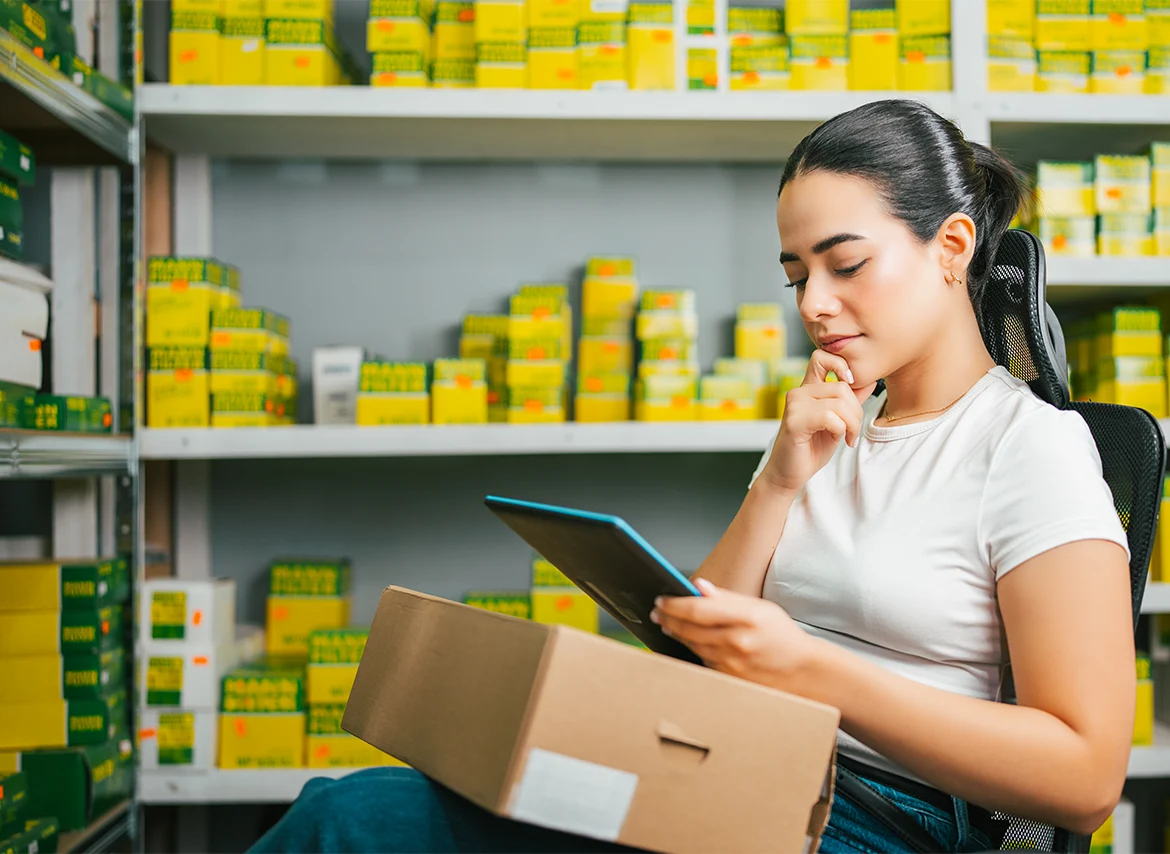
A consistent inventory organization process also helps warehouse teams identify returned products, track their condition, and prevent unapproved stock from entering available inventory.
3. Recover More Resale Value
Some returned products may still be suitable for resale after inspection, cleaning, repackaging, or relabeling. Identifying these items quickly gives businesses an opportunity to recover value that might otherwise be lost through unnecessary write-offs or prolonged storage.
4. Support a Better Customer Experience
An organized returns process can help businesses coordinate product receipt, return status updates, exchanges, and refunds with their customer service workflows. Clear procedures reduce uncertainty and make returns easier to manage.
5. Reduce Warehouse Congestion
Unprocessed returns can accumulate in receiving areas and occupy valuable warehouse space. A structured workflow separates incoming returns from regular outbound orders and helps teams prioritize inspection and disposition.
Common Reverse Logistics Services in Portland, Oregon
Reverse logistics requirements vary by business. Some companies need basic return receiving, while others require inspection, detailed inventory reporting, repackaging, and coordination with multiple sales channels. The following services are commonly considered when building a returns management program.
Returns Receiving and Processing
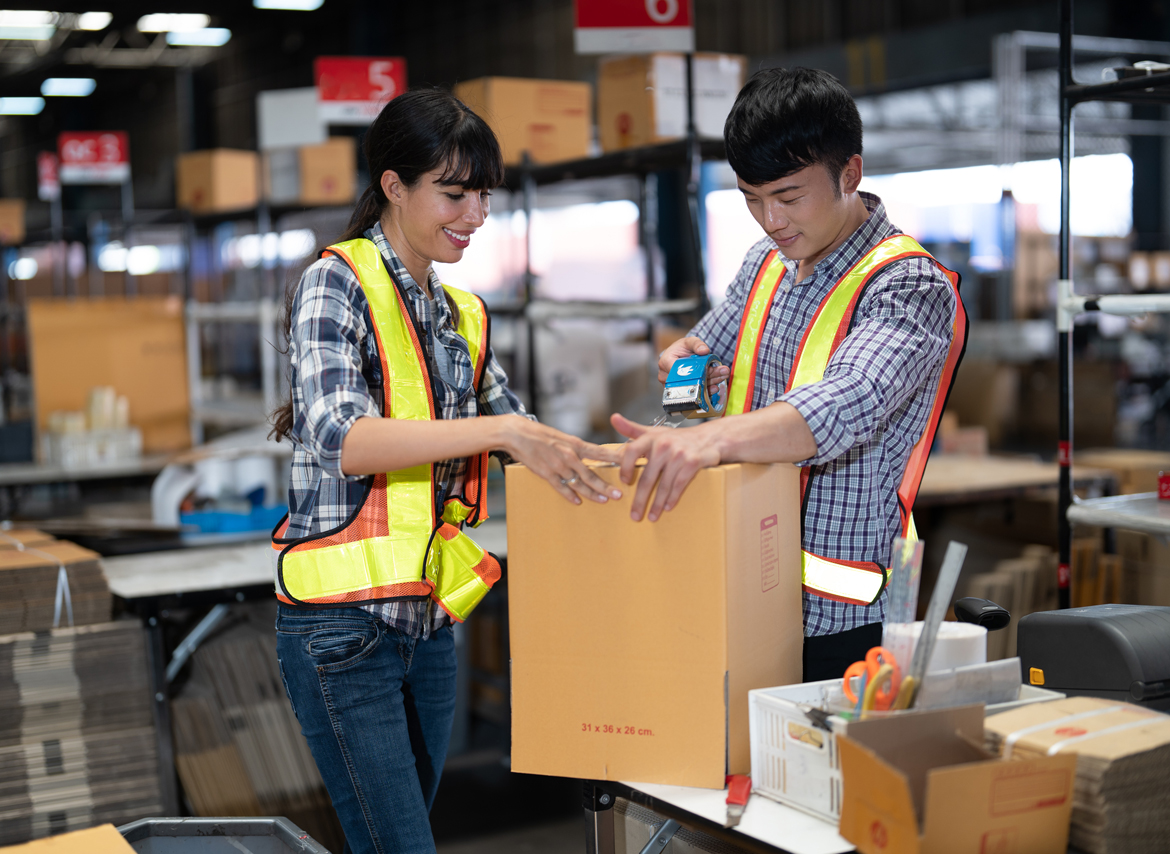
Returns receiving begins when returned packages arrive at the designated facility. The receiving team records the shipment, identifies the associated product where possible, and routes it into the appropriate processing workflow.
Depending on the agreed scope, receiving records may include tracking references, product identifiers, quantities, visible damage, and the date the item arrived. Consistent records help businesses investigate missing products and monitor returns volume.
Product Inspection and Condition Grading
Returned products should be inspected according to documented business rules. Inspection may include checking packaging, accessories, visible damage, product completeness, and other criteria appropriate to the product category.
Businesses can establish condition categories such as unopened, like-new, open-box, damaged, incomplete, or unsellable. These categories should reflect actual inspection criteria rather than assumptions based only on the condition of the outer shipping carton.
Relabeling and Repackaging
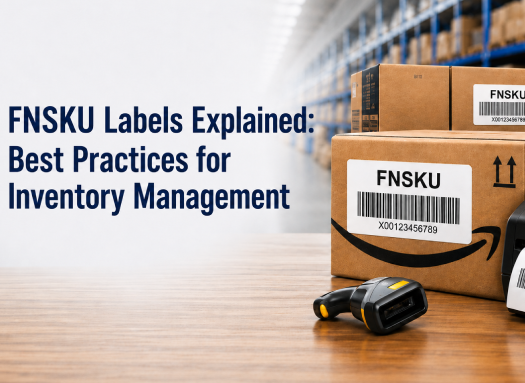
Some returned products may need new packaging, replacement labels, barcode corrections, or removal of old shipping labels before they can be stored or resold. Repackaging requirements depend on the product, sales channel, and applicable marketplace policies.
Proper relabeling can improve product identification and reduce confusion when inventory moves between warehouse locations or sales channels. Any relabeling work should follow the seller's approved instructions.
Restocking and Inventory Updates
Products that pass the required inspection can be returned to eligible sellable inventory. The inventory system should record the product's condition, quantity, and storage location.
Effective inventory organization for faster processing helps businesses identify returned products, update stock records, and prepare eligible items for resale.
Items awaiting inspection or requiring repair should remain separate from available stock. This helps reduce inventory discrepancies and prevents products from being sold before they are ready.
Refurbishment and Rework Coordination
Depending on the product and the provider's capabilities, some returned items may be eligible for cleaning, minor rework, replacement packaging, or refurbishment. Businesses should define which tasks are permitted and who is authorized to perform them.
Products that require specialist repair, testing, or certification should be routed to qualified service providers when necessary.
Return-to-Supplier Processing
Some inventory needs to be returned to its original supplier or manufacturer because of defects, quality issues, warranty arrangements, or commercial agreements. Return-to-supplier workflows may require authorization, supporting documentation, product identification, and coordinated transportation.
Inventory Disposition and Responsible Disposal
Not every returned product can be resold. Businesses may need to liquidate, donate, recycle, or dispose of unsellable inventory according to their policies and applicable requirements.
A documented disposition process helps maintain inventory accuracy and provides a record of how products were handled. Donation, recycling, and disposal options depend on product condition, material type, local requirements, and the receiving organization's acceptance policies.
How the Reverse Logistics Process Works
A reliable reverse logistics workflow establishes what happens to each returned product from arrival through its final disposition. Although individual procedures differ, most eCommerce returns programs follow several core stages.
Step 1: Authorize and Identify the Return
The process starts with a return request, marketplace return event, warranty claim, or other approved reason for sending a product back. Record the order reference, product identifier, return reason, and any required authorization details.
Step 2: Arrange Return Transportation
Determine where the product should be sent and which shipping method is appropriate. Return labels, carrier selection, packaging instructions, and delivery expectations should be communicated clearly.
Step 3: Receive and Record the Product
When the return arrives, record the receipt and associate it with the available order or return information. If identifying details are missing, place the product in an exception workflow until its status can be resolved.
Step 4: Inspect and Grade the Item
Evaluate the returned product using predefined inspection criteria. Record the observed condition, missing accessories, damage, and any other relevant findings. Photographs may be useful for documenting exceptions or supporting supplier claims.
Step 5: Decide on the Product's Next Destination
Based on the inspection results, assign the item to the appropriate outcome. Possible options include restocking, repackaging, refurbishment, return to supplier, liquidation, donation, recycling, or disposal.
Step 6: Update Inventory and Complete Processing
Update the inventory system with the item's condition, quantity, status, and location. Coordinate the relevant next step with the seller's inventory or customer service team.
Refunds and exchanges should follow the seller's return policy and marketplace rules. Warehouse receipt alone does not necessarily mean a refund has been authorized or completed.
Benefits of Outsourcing Reverse Logistics to a 3PL Provider
Managing returns in-house can become challenging as order volumes, product categories, and sales channels increase. A third-party logistics provider may offer the facilities, staffing, and inventory processes needed to support a more organized returns operation.
Businesses that need support beyond returns processing can explore our eCommerce fulfillment services, which cover inventory handling and order fulfillment for eligible sales channels.
Access to Warehouse Infrastructure
A suitable 3PL provider can offer dedicated receiving and storage areas for returned products. This can help businesses separate return processing from regular order fulfillment and organize products by condition or disposition status.
Flexible Processing Capacity
Returns volumes may fluctuate because of promotions, seasonal demand, product launches, and post-holiday activity. Outsourcing can provide access to additional processing capacity without requiring a business to build every capability internally.
More Consistent Procedures
Documented standard operating procedures can help ensure that returned products are handled consistently. Sellers should agree on inspection rules, exception handling, reporting requirements, and service targets before the provider begins processing inventory.
Improved Inventory Visibility
Returns reports and inventory records can help businesses understand how many products have arrived, which items are awaiting inspection, how much inventory is recoverable, and which items require additional action.
More Time for Core Business Activities
Outsourcing appropriate warehouse tasks allows internal teams to focus on product development, sourcing, marketing, sales, and customer relationships while the logistics partner handles agreed operational responsibilities.
Reverse Logistics for Amazon and Walmart Sellers
Marketplace sellers often need to coordinate returns across different fulfillment models. Products fulfilled by a marketplace, shipped directly by a seller, or handled through a third-party logistics provider may follow different return procedures.
Amazon sellers can also explore the benefits of using a tax-free FBA prep center in Oregon for inventory preparation, labeling, and shipment coordination.
Amazon Seller Returns
Amazon sellers should distinguish between customer returns handled within Amazon's fulfillment network and inventory that needs to be processed through their own warehouse or a third-party provider. The appropriate workflow depends on the fulfillment program, product status, and current Seller Central options.
When inventory is returned to a seller or an external warehouse, a reverse logistics provider may help receive, inspect, sort, relabel, store, or prepare eligible products for their next destination. Always verify current Amazon requirements before returning inventory to fulfillment or resale channels.
Walmart Marketplace Returns
Walmart Marketplace sellers also need clear procedures for products returned through their applicable fulfillment arrangements. Returned inventory may require inspection, condition grading, restocking, or routing to another location.
A reverse logistics workflow should account for the seller's fulfillment model, marketplace requirements, product condition, and inventory system. Confirm the specific responsibilities of the marketplace, seller, carrier, and logistics provider before setting up the process.
Multi-Channel Returns Management
Brands selling through Amazon, Walmart, Shopify, and other channels may benefit from a centralized returns process. A single warehouse workflow can help organize returned products, subject to the provider's systems and the seller's channel-specific requirements.
Before choosing a provider, ask whether it can identify returns from different sales channels and maintain the records needed to route each product correctly.
How to Recover Value from Returned Inventory
Returned products should be evaluated individually instead of being automatically classified as sellable or unsellable. A structured inventory recovery strategy helps businesses choose the most appropriate outcome for each item.
Restock Products That Meet Resale Requirements
Unopened or lightly handled products may be suitable for resale when they pass the seller's inspection requirements. Verify product completeness, condition, packaging, and any relevant marketplace eligibility requirements before making inventory available.
Repackage Suitable Open-Box Products
Some products may be recoverable through approved repackaging or replacement of damaged outer packaging. Repackaging should not conceal product damage or misrepresent an item's condition.
Evaluate Repair or Refurbishment Options
Products with repairable issues may have resale potential when the cost of refurbishment is justified by the expected recovery value. Compare labor, parts, testing, handling, and resale costs before approving the work.
Consider Alternative Disposition Options
If an item cannot be sold through its original channel, other options may include approved secondary-market sales, liquidation, supplier returns, donation, or recycling. Product restrictions, contractual requirements, and applicable laws should guide the decision.
Use Return Data to Identify Recurring Problems
Track return reasons such as damaged packaging, incorrect items, missing components, product defects, or inaccurate product descriptions. Reviewing this information can help businesses identify recurring issues and work with suppliers or fulfillment teams to prevent avoidable returns.
How to Choose a Reverse Logistics Partner in Portland, Oregon
Choosing a reverse logistics provider involves more than comparing warehouse locations or processing rates. The right partner should understand your products, sales channels, inspection requirements, inventory systems, and recovery goals.
1. Review the Available Services
Confirm whether the provider offers the services you actually need, such as returns receiving, product inspection, condition grading, relabeling, repackaging, restocking, storage, and disposition coordination.
2. Confirm Product and Handling Capabilities
Ask whether the provider can handle your product dimensions, weights, packaging requirements, and any special handling considerations. Fragile, high-value, temperature-sensitive, or regulated products may require additional controls or specialist facilities.
3. Understand Pricing and Additional Fees
Request an itemized quote covering receiving, inspection, storage, repackaging, relabeling, disposal, and shipping where applicable. Ask how unexpected items, incomplete returns, special projects, and peak-season volume are billed.
4. Ask About Inventory Tracking and Reporting
Determine how the provider records returned inventory and shares processing results. Useful reporting may include receipt dates, product condition, quantities, disposition, exception notes, and inventory updates.
5. Establish Processing Targets
Agree on expected receiving, inspection, reporting, and disposition timeframes. Ask how exceptions are handled and whether service-level targets change during periods of high return volume.
6. Review Security and Inventory Controls
Discuss access controls, inventory reconciliation, loss prevention, documentation, and procedures for investigating missing or damaged products. Ensure the provider's responsibilities are clearly defined in the service agreement.
7. Confirm the Portland-Area Logistics Fit
If your business needs reverse logistics services in Portland, Oregon, consider how the facility's location fits your suppliers, customers, carriers, and distribution network. Compare inbound transportation, outbound shipping, delivery schedules, and the cost of moving inventory between locations.
A local warehouse may be useful for some supply chains, but the best location depends on where your returns originate and where recovered products need to go next.
Factors That Affect Reverse Logistics Costs
Reverse logistics costs vary according to the type of products being returned, the volume of returns, the required inspection process, and the final destination of each item. Understanding the main cost components can help businesses build a more accurate returns budget.
Businesses evaluating total logistics costs can review our fulfillment services to understand which inventory handling and order fulfillment solutions may fit their operational needs.
In addition to returns processing expenses, sellers should consider storage, unit handling, and outbound shipping when evaluating their overall fulfillment costs.
- Return transportation: Carrier rates, parcel size,shipment distance, and return shipping arrangements.
- Receiving: Labor and handling required to accept, identify, and record returned packages.
- Inspection and grading: The time and expertise needed to evaluate product condition and completeness.
- Repackaging and relabeling: Materials and labor required to prepare eligible products for resale or redistribution.
- Storage: Space occupied by returned inventory awaiting inspection, approval, repair, or disposition.
- Refurbishment: Parts, labor, testing, and other authorized work required to recover a product.
- Final disposition: Costs associated with supplier returns, liquidation, donation handling, recycling, or disposal.
- Technology and reporting: Any agreed system, integration, or reporting fees.
When comparing providers, evaluate the total cost per processed return and the amount of inventory value recovered. A lower processing rate does not necessarily represent the best overall result if items remain unprocessed for longer or require additional handling later.
Best Practices for Managing Returns and Reverse Logistics
Create Clear Return Handling Procedures
Document how returned products should be received, inspected, graded, stored, and routed. Include instructions for missing items, damaged products, unidentified packages, and exceptions that require approval.
Use Consistent Condition Categories
Establish clear grading standards so warehouse teams apply the same criteria to similar products. Define which conditions qualify for restocking, repackaging, refurbishment, or disposal.
Keep Returned Inventory Separate Until Approved
Products awaiting inspection should remain clearly identified and separated from sellable stock. Release items into available inventory only after the appropriate checks are complete.
Track Useful Returns Metrics
Monitor metrics such as return volume, processing time, percentage of items recovered for resale, reasons for returns, cost per processed return, and inventory awaiting disposition. Use the results to identify operational bottlenecks and recurring product issues.
Coordinate Warehouse and Customer Service Teams
Establish clear communication between the returns operation, inventory management, finance, and customer service teams. This helps align warehouse findings with refund decisions, exchanges, supplier claims, and customer communications.
Review the Process Regularly
Review return data and warehouse performance periodically. Adjust inspection procedures, packaging standards, supplier requirements, and inventory policies when recurring issues are identified.
Frequently Asked Questions
What are reverse logistics services?
Reverse logistics services manage the movement and processing of products returned after delivery. Services may include returns receiving, inspection, grading, relabeling, repackaging, restocking, refurbishment coordination, supplier returns, and inventory disposition.
Why do eCommerce businesses need reverse logistics?
Reverse logistics helps businesses handle returned products in an organized way. It supports inventory accuracy, improves visibility into product condition, helps recover resale value, and provides a structured process for items that cannot be resold.
Can a 3PL provider handle eCommerce returns?
Yes. Many third-party logistics providers offer returns management services alongside warehousing and fulfillment. Available services differ by provider, so confirm the inspection, restocking, reporting, and disposition capabilities included in the agreement.
Can reverse logistics support Amazon and Walmart sellers?
A suitable provider may help marketplace sellers receive, inspect, sort, and manage returned inventory. The exact process depends on the marketplace, fulfillment method, inventory status, and current platform requirements.
What happens to products that cannot be resold?
Depending on the product and applicable requirements, unsellable items may be returned to a supplier, refurbished, liquidated, donated, recycled, or disposed of appropriately. Businesses should establish disposition rules before authorizing these actions.
How much do reverse logistics services cost in Portland, Oregon?
Pricing depends on return volume, product type, inspection complexity, storage needs, packaging requirements, and final disposition. Request a detailed quote based on your expected monthly volume and the specific services required.
How can I choose the right reverse logistics provider in Portland?
Compare service capabilities, product handling experience, pricing, inventory reporting, processing targets, security procedures, and location suitability. Choose a provider whose workflow matches your business requirements and sales channels.
Can returned products be prepared for resale?
Some returned products can be resold after inspection and, where appropriate, cleaning, repackaging, or relabeling. The decision should depend on product condition, applicable safety and compliance requirements, and the seller's resale policies.
Improve Your Returns Process with Reverse Logistics Services
Reverse logistics is an important part of an effective eCommerce supply chain. A structured returns process helps businesses identify returned inventory, assess product condition, recover resale value where possible, and make informed decisions about products that cannot be resold.
For businesses evaluating reverse logistics services in Portland, Oregon, the right approach starts with clear operating procedures, reliable inventory records, transparent pricing, and a provider that understands the requirements of your products and sales channels.
Whether you manage an online store, sell through Amazon or Walmart, or distribute products across multiple channels, reviewing your returns workflow can help uncover opportunities to improve inventory control and reduce avoidable handling costs.
Looking for Returns and Fulfillment Support?
Stock & Ship supports eCommerce businesses with inventory preparation and fulfillment logistics. Contact our team to discuss your requirements and confirm whether our available services are suitable for your returns processing and inventory management needs.
Contact Stock & Ship to discuss your logistics requirements.