

Introduction
Selling on Amazon is no longer just about listing products—it’s about choosing the right fulfillment strategy that aligns with your business goals. One of the most flexible and cost-efficient models available today is Fulfilled by Merchant.
With increasing competition and rising fulfillment costs, many sellers are turning to FBM in Amazon to gain better control over operations, reduce expenses, and build a stronger brand presence. But is it the right approach for your business?
In this guide, you’ll get a clear, experience-driven understanding of amazon fbm, how it works, its benefits, challenges, and when to use it for maximum profitability.
What Is Fulfilled by Merchant (FBM)?
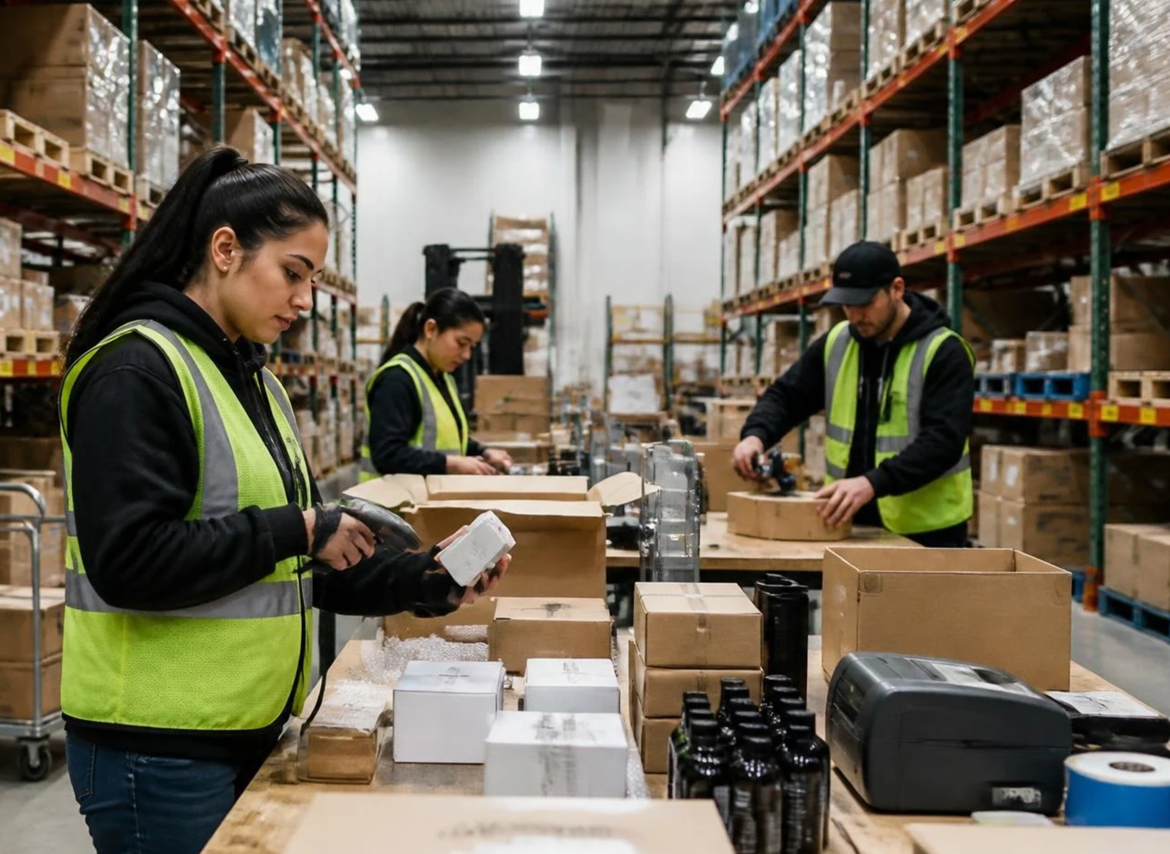
Fulfilled by Merchant is a fulfillment method where sellers take complete responsibility for storing inventory, packing products, shipping orders, and handling customer service.
Unlike Amazon’s fulfillment service, where logistics are outsourced, FBM allows sellers to operate independently while still leveraging Amazon’s massive marketplace.
This model is particularly valuable for businesses that want:
- Greater operational control
- Lower dependency on Amazon warehouses
- Flexibility in shipping and packaging
In simple terms, FBM in Amazon means you sell on Amazon—but fulfill orders on your own terms.
How FBM in Amazon Works Step-by-Step?
Understanding the workflow of amazon fbm is essential to executing it successfully.
-
Account Setup and Product Listing
To begin, you establish a seller profile and add your items to the marketplace. You have the flexibility to link your products to existing catalog entries or build entirely new listings for original or unique merchandise.
-
Inventory Management
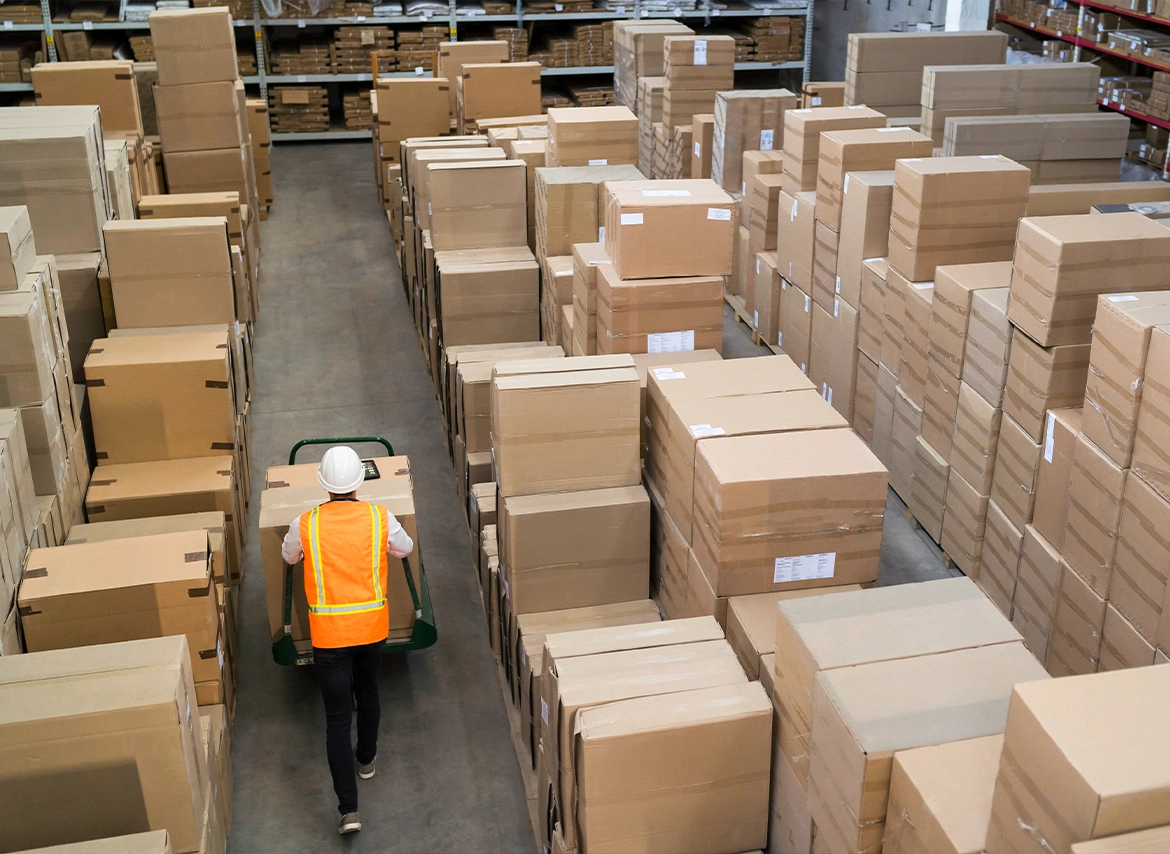
Sellers are responsible for housing their own stock, whether in a private warehouse or through a dedicated third-party logistics (3PL) provider. Maintaining real-time stock accuracy is essential to prevent stockouts or the cancellation of orders.
-
Order Processing and Shipping
When an order is placed, you manage the entire fulfillment cycle. This involves receiving the notification, securely packing the item, and selecting a carrier for delivery. To ensure a good customer experience, you must provide tracking information immediately after dispatch.
-
Customer Service and Returns
Under the FBM model, you act as the primary point of contact for the buyer. This includes answering product inquiries, processing refunds, and managing the physical return of items. Speed and professionalism in these interactions directly influence your overall seller rating.
-
Performance Monitoring
Amazon tracks specific health metrics to ensure quality standards are met. Sellers must focus on maintaining a high on-time delivery rate, a low order defect rate, and providing valid tracking numbers to keep their account in good standing and improve product visibility.
Fill out the form for a free logistics consultation!

You can contact us directly and schedule your shipment now
FBM vs FBA: Key Differences Explained
Choosing between fulfillment models depends on your operational capabilities and business strategy.
- Control: With Fulfilled by Merchant, you control inventory, packaging, and shipping. FBA shifts this responsibility to Amazon.
- Cost Structure: FBM eliminates storage and fulfillment fees, while FBA includes multiple service charges.
- Customer Experience: FBA offers built-in Prime benefits, while amazon fbm sellers must work harder to match delivery expectations.
- Branding: FBM allows custom packaging and branding, unlike standardized FBA shipments.
- Operational Effort: FBM requires hands-on management, whereas FBA simplifies logistics.
Both models have their place, but FBM in Amazon stands out for businesses seeking flexibility and cost efficiency.
Advantages and Challenges of Amazon FBM
Key Advantages of Fulfilled by Merchant
- Lower operational costs without Amazon storage fees
- Full control over inventory and logistics and supply chain
- Flexibility in shipping methods and carriers
- Opportunity to build a unique brand experience
Common Challenges in FBM
- Increased responsibility for logistics and delivery
- Time-intensive order management
- Limited automatic access to Prime customers
- Strict performance standards to maintain
Balancing these factors is essential for long-term success with FBM.
Who Should Choose Fulfilled by Merchant?
Not every seller benefits equally from Fulfilled by Merchant, but it’s highly effective for specific business types:
- Sellers with existing logistics infrastructure
- Businesses dealing with large, heavy, or fragile products
- Brands focused on custom packaging and identity
- Low-volume or niche product sellers
- Cost-conscious entrepreneurs aiming to maximize margins
Consistency and data-driven decisions are key to succeeding with FBA.
Frequently Asked Questions (FAQs)
What is Fulfilled by Merchant on Amazon?
It is a fulfillment method where sellers handle storage, shipping, and customer service independently instead of using Amazon’s logistics network.
Is FBM cheaper than FBA?
In many cases, yes. amazon fbm avoids storage and fulfillment fees, making it cost-effective for certain product types.
Can FBM sellers offer fast shipping?
Yes, but it depends on your logistics setup. Some sellers also qualify for premium shipping programs with consistent performance.
Do FBM sellers handle returns themselves?
Yes, return processing and refunds are managed entirely by the seller under Fulfilled by Merchant.
Is FBM suitable for beginners?
It can be, but beginners must be prepared to manage logistics, inventory, and customer service efficiently.
Final Thoughts
Fulfilled by Merchant offers a powerful alternative to traditional Amazon fulfillment by giving sellers complete control over their operations. While it demands more effort and operational discipline, it rewards businesses with flexibility, cost savings, and stronger brand identity.
For sellers who can manage logistics effectively, FBM in Amazon is not just an option—it’s a strategic advantage that can drive long-term profitability and independence in a highly competitive marketplace.

George Anderson
George Anderson is an experienced Digital Marketing Expert and Content Strategist with over 15 years in the industry. In the last 5 years, he has focused on eCommerce and logistics, helping businesses optimize operations, scale effectively, and improve customer experiences through data-driven strategies.