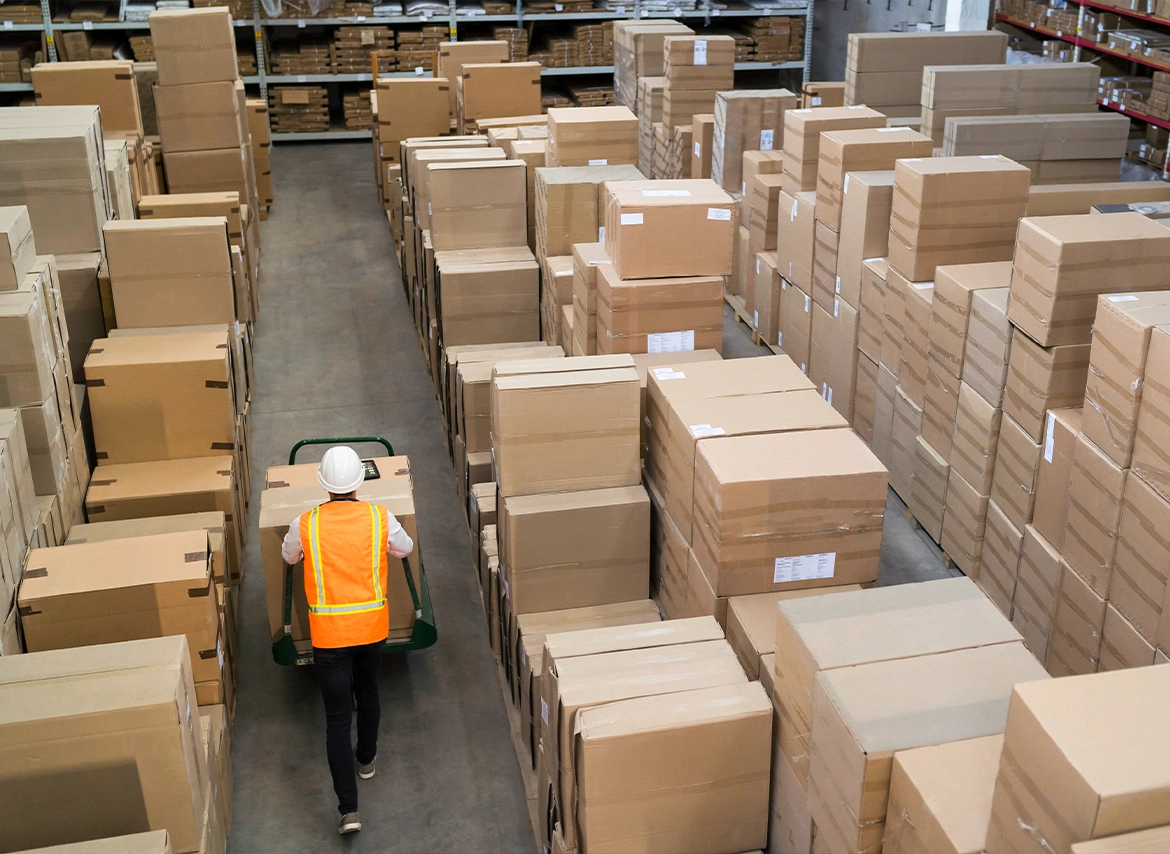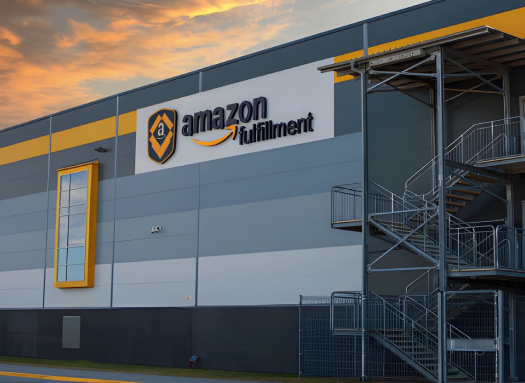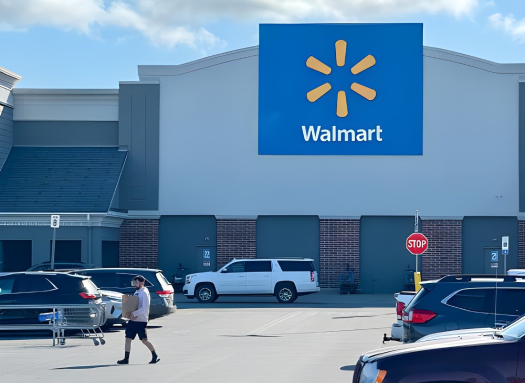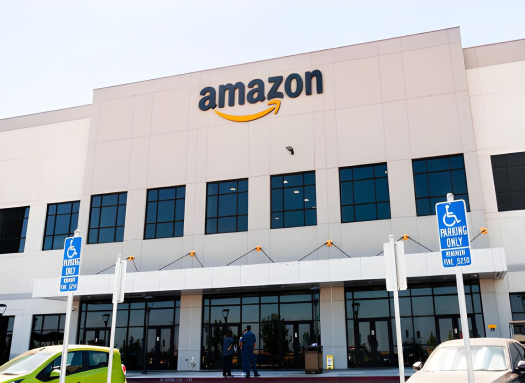



Selling on Amazon and Walmart Marketplace can help businesses reach more customers, but managing inventory across both channels introduces operational challenges. Sellers must coordinate product preparation, storage, replenishment, order processing, shipping, and returns while maintaining accurate stock records.
Third-party logistics (3PL) fulfillment can help organize these activities through an external logistics partner. Depending on the services offered, a 3PL may receive inventory, inspect products, prepare shipments, store stock, fulfill seller-fulfilled orders, and support returns processing. The right arrangement allows sellers to spend less time coordinating routine logistics and more time on sourcing, product listings, customer service, and business growth.
For businesses selling on both Amazon and Walmart, the important question is not simply whether to outsource fulfillment. It is how to build a logistics workflow that supports each marketplace's requirements without creating unnecessary inventory, shipping, or management costs.
What Is 3PL Fulfillment for Marketplace Sellers?
Third-party logistics fulfillment is the outsourcing of selected warehousing, inventory handling, and shipping activities to an external logistics provider. Rather than managing every physical operation independently, a seller works with a logistics partner to carry out agreed tasks according to defined procedures.
For Amazon and Walmart sellers, these tasks may include receiving products from suppliers, checking incoming inventory, applying required labels, organizing storage, preparing marketplace shipments, picking and packing customer orders, and processing eligible returns.
A 3PL is not the same as Amazon Fulfillment by Amazon (FBA) or Walmart Fulfillment Services (WFS). FBA and WFS are marketplace-owned fulfillment programs. An independent 3PL provides contracted logistics services, which may support inventory preparation, seller-fulfilled orders, replenishment, and other workflows depending on the provider's capabilities.
The distinction matters because sellers may use different fulfillment methods for different products. Some inventory may go to FBA, some may be prepared for WFS, and other products may be shipped directly to customers through an eligible seller-fulfilled arrangement.
Why Amazon and Walmart Sellers Use a 3PL
Operating across multiple marketplaces can increase the number of shipments, inventory movements, labeling requirements, and order-management tasks a business must coordinate. A 3PL can help establish a more consistent process for handling these activities.
Reduce day-to-day logistics workload
Receiving cartons, counting units, preparing products, arranging shipments, and maintaining storage records take time. Outsourcing suitable physical tasks can give sellers more capacity to focus on purchasing, pricing, listing optimization, advertising, and supplier relationships.
Prepare inventory before marketplace delivery
Products may need inspection, labeling, protective packaging, bundling, or shipment preparation before they are sent to a marketplace fulfillment center. A suitable prep provider can perform agreed tasks before inventory moves to its next destination. The seller must still ensure that each shipment follows the current requirements of the receiving program.
Support multiple fulfillment workflows
A seller may need marketplace replenishment shipments, direct-to-customer order fulfillment, wholesale distribution, or returns handling. A 3PL with the appropriate service capabilities can support several of these workflows without requiring the seller to coordinate every physical task separately.
Create a process that can adapt to demand
Sales volumes often change during promotions, seasonal periods, product launches, and supplier replenishment cycles. A documented logistics process makes it easier to plan labor, storage, and shipping requirements. Actual capacity and turnaround times must be confirmed with the provider rather than assumed.
How the 3PL Fulfillment Process Works
A well-defined process helps reduce confusion between suppliers, sellers, warehouse staff, carriers, and marketplace fulfillment centers.
- Send inventory to the warehouse. Arrange delivery from your supplier or another approved source. Share shipment details, product identifiers, expected quantities, and any handling instructions.
- Receive and inspect products. The provider records incoming inventory and performs the agreed checks. Report shortages, damage, or discrepancies according to the receiving procedure.
- Prepare products for their destination. Apply required labels, protective packaging, bundles, or other preparation steps based on the product and destination requirements.
- Store and organize inventory. Assign identifiable storage locations and maintain accurate quantities so products can be found and allocated correctly.
- Choose the fulfillment route. Allocate eligible stock to Amazon FBA, Walmart WFS, seller-fulfilled customer orders, or another approved destination.
- Dispatch and record shipments. Confirm carton contents, shipping labels, tracking information, and dispatch records. Reconcile inventory after goods leave the warehouse.
- Monitor exceptions and returns. Investigate discrepancies, delayed shipments, damaged goods, returned products, and inventory that requires further inspection.
Responsibilities should be agreed in writing. For example, a warehouse may prepare and dispatch a shipment, while the seller remains responsible for creating marketplace shipping plans, maintaining listings, meeting seller-account obligations, and authorizing inventory movements.
Amazon vs. Walmart: Understanding Fulfillment Options
Amazon and Walmart offer their own fulfillment programs, but sellers can also use eligible seller-fulfilled methods. An independent 3PL can support selected parts of these operations; it does not automatically replace every service provided by a marketplace program.
Amazon Fulfillment by Amazon (FBA)
With FBA, sellers send eligible inventory to Amazon's fulfillment network. Amazon handles fulfillment activities covered by the program. A separate 3PL may help with upstream receiving, inspection, labeling, storage, consolidation, and preparing inventory before it is shipped to Amazon.
For seller-fulfilled orders, a logistics provider may pick, pack, and ship products on the seller's behalf when the workflow meets the applicable Amazon requirements. Sellers should review the current Amazon Seller Central guidance for product preparation, shipment creation, and seller-fulfilled order obligations.
Walmart Fulfillment Services (WFS)
WFS is Walmart's fulfillment program for eligible inventory. Walmart describes a process in which inventory is received and stored, then orders are shipped to customers, with program-related returns and customer support also provided.
An independent 3PL may assist before inventory reaches WFS, including receiving products from suppliers, preparing shipments, organizing inventory, and coordinating replenishment. For eligible seller-fulfilled orders, a 3PL may also provide physical fulfillment services if the seller's setup and the provider's capabilities meet the applicable requirements.
Review the official Walmart Fulfillment Services overview and Walmart shipping and fulfillment guidance before choosing a workflow.
Can one 3PL support both marketplaces?
Potentially, yes. The provider must offer the services your business needs, and each marketplace workflow must be configured correctly. Confirm that the provider can identify destination-specific inventory, follow relevant labeling and packing instructions, manage dispatch records, and support the required service levels.
Do not assume that every 3PL has direct integrations with Amazon or Walmart, that one inventory pool can be used without allocation rules, or that every product is eligible for every fulfillment program. Verify these details before onboarding.
Key 3PL Services for Marketplace Businesses
Not every seller needs the same combination of logistics services. Evaluate each service against your product range, sales channels, order volume, and current operational bottlenecks.
- Receiving and inspection: Record incoming shipments, count units, and document visible damage or discrepancies.
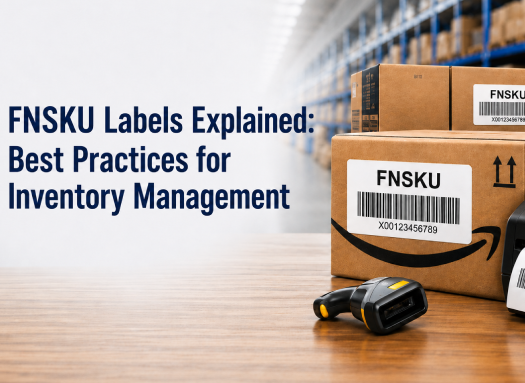
- Product labeling and preparation: Apply appropriate labels and perform required packaging or preparation tasks before dispatch.
- Warehousing and storage: Keep products organized with identifiable locations and documented inventory records.
- Marketplace replenishment: Prepare and dispatch inventory shipments to the relevant fulfillment network according to the seller's approved plan.
- Pick, pack, and ship: Process eligible seller-fulfilled orders using agreed packaging, carrier, and dispatch procedures.
- Kitting and bundling: Assemble approved product combinations when the provider offers the service and the destination permits the configuration.
- Returns and reverse logistics: Receive eligible returns, inspect product condition, document findings, and carry out agreed restocking or disposition instructions.
Before signing an agreement, ask for a written scope of work. Confirm which tasks are included, which incur additional charges, how exceptions are reported, and who approves rework, disposal, or product transfers.
Managing Inventory Across Both Marketplaces
Inventory accuracy becomes especially important when products can be allocated to multiple destinations. A unit committed to one marketplace or customer order should not be treated as freely available for another shipment.
Use consistent product identifiers
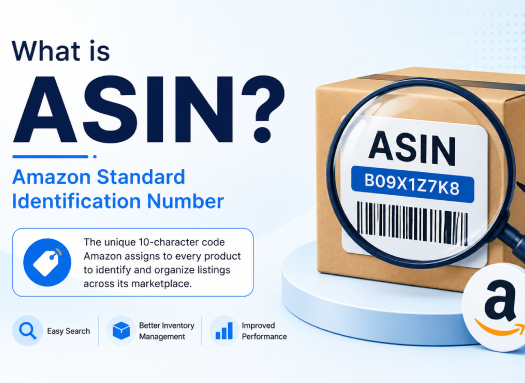
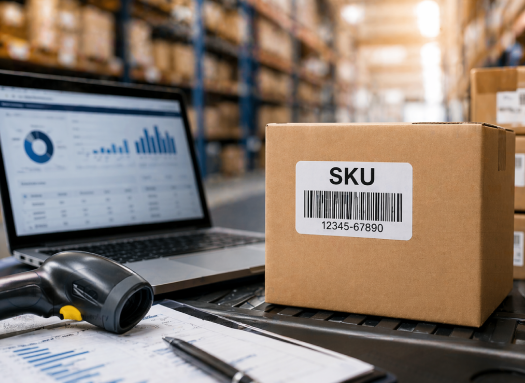
Maintain a clear relationship between internal SKUs, product identifiers, marketplace listings, and warehouse records. Where products have variations, bundles, expiration dates, or lot requirements, document those distinctions so staff do not confuse similar items.
Set inventory allocation rules
Define how much stock is reserved for each marketplace, which inventory is available for seller-fulfilled orders, and what quantity is held as a buffer. Adjust the rules based on demand, supplier lead times, replenishment schedules, and current marketplace stock levels.
Reconcile stock regularly
Compare warehouse quantities with marketplace inventory records and open shipment plans. Investigate receiving discrepancies, shipment shortages, returns, damaged units, and adjustments promptly. A reliable process should record what changed, when it changed, and who authorized the adjustment.
Plan replenishment using actual demand
Use recent sales, lead times, seasonality, open purchase orders, and available inventory to determine when to replenish. Avoid sending all available stock to a single destination without considering demand across the other channel. The objective is to reduce avoidable stockouts and excess storage without overcommitting working capital.
For additional guidance, see Stock & Ship's inventory organization guide, which explores the role of structured warehouse processes in inventory handling.
How to Choose the Right 3PL Partner
A provider should be evaluated on operational fit, service transparency, inventory controls, and total cost—not just its advertised handling rate.
- Marketplace experience: Ask what experience the provider has with your required Amazon and Walmart workflows. Request specific examples of supported tasks rather than relying on a general claim of marketplace expertise.
- Service scope: Confirm whether receiving, inspection, labeling, storage, prep, order fulfillment, returns, and shipment forwarding are available.
- Inventory visibility: Ask how you will view quantities, shipment status, exceptions, and stock adjustments.
- Accuracy controls: Understand how the provider verifies picked quantities, carton contents, and outgoing shipments.
- Capacity and turnaround: Confirm normal processing estimates, peak-period capacity, cutoff times, and how delays are communicated.
- Location and shipping reach: Compare warehouse location, inbound freight costs, carrier options, delivery zones, and the cost of moving stock to marketplace facilities.
- Returns and exceptions: Establish procedures for damaged products, missing units, returned goods, and disputed receiving records.
- Contract and billing: Review minimum volumes, storage billing, extra handling charges, shipping costs, service exclusions, and termination terms.
Request a sample operational workflow and a written fee schedule before transferring inventory. A provider that is inexpensive for receiving may not be the least expensive once storage, preparation, shipping, special handling, and exceptions are included.
Understanding 3PL Fulfillment Costs
3PL pricing varies by provider, product dimensions, service requirements, order volume, and shipping destination. Build a total-cost estimate using your actual inventory profile and expected order mix.
Common charges may include:
- Inbound receiving and unloading.
- Inspection, labeling, and product preparation.
- Storage by pallet, shelf location, bin, or cubic volume.
- Pick-and-pack and per-unit handling.
- Packaging materials and special handling.
- Outbound postage, freight, and shipping labels.
- Returns processing, removal orders, disposal, and rework.
- Optional software, integration, or account-management fees.
Separate logistics costs from marketplace fees. Amazon FBA and Walmart WFS have their own fee structures, which should be evaluated alongside the cost of the upstream 3PL work.
For a fair comparison, calculate the total cost per sellable unit or completed order. Include inbound transportation, preparation, storage for the expected holding period, outbound shipping, and any applicable marketplace charges. Use the same assumptions when comparing providers.
Also consider the cost of operational errors. Incorrect labels, misallocated inventory, avoidable rework, delayed replenishment, and inaccurate stock records can create costs that do not appear in a basic handling quote.
Common Fulfillment Mistakes to Avoid
Even a capable logistics provider cannot compensate for unclear instructions or inaccurate inventory planning. Sellers can reduce avoidable problems by addressing these common mistakes before operations begin.
- Using one process for every destination: Amazon, Walmart, and direct customer orders may have different requirements. Document each workflow separately.
- Failing to reconcile stock: Update records after receiving, preparation, dispatch, returns, and adjustments.
- Ignoring total cost: Compare all recurring and variable charges instead of choosing a provider solely on its receiving or pick-and-pack fee.
- Sending inventory without an approved plan: Confirm shipment details, destination, labeling, packaging, and quantities before dispatch.
- Assuming integrations are automatic: Verify which systems connect directly and which steps require manual entry, file uploads, or seller approval.
- Leaving exceptions unresolved: Define how missing units, damaged products, delayed shipments, and returns are documented and escalated.
- Overlooking peak-season capacity: Discuss forecast volumes and deadlines with the provider well before major sales periods.
A short operating procedure, clear ownership of tasks, and regular reconciliation can make the relationship more predictable as the business grows.
Frequently Asked Questions (FAQs)
Get clear answers to common questions about our Amazon FBA Prep services and understand how we ensure smooth, compliant, and efficient fulfillment for your business.
What is Amazon FBA Prep and why is it important?
Amazon FBA Prep is the process of preparing products to meet Amazon’s fulfillment requirements, including inspection, labeling, and packaging.
It is important because improper prep can cause shipment rejections, delays, or extra fees. Proper FBA prep ensures compliance, faster check-in, and reduced operational risks.
What is Amazon FBA Prep and why is it important?
Amazon FBA Prep is the process of preparing products to meet Amazon’s fulfillment requirements, including inspection, labeling, and packaging.
It is important because improper prep can cause shipment rejections, delays, or extra fees. Proper FBA prep ensures compliance, faster check-in, and reduced operational risks.
What is Amazon FBA Prep and why is it important?
Amazon FBA Prep is the process of preparing products to meet Amazon’s fulfillment requirements, including inspection, labeling, and packaging.
It is important because improper prep can cause shipment rejections, delays, or extra fees. Proper FBA prep ensures compliance, faster check-in, and reduced operational risks.
What is Amazon FBA Prep and why is it important?
Amazon FBA Prep is the process of preparing products to meet Amazon’s fulfillment requirements, including inspection, labeling, and packaging.
It is important because improper prep can cause shipment rejections, delays, or extra fees. Proper FBA prep ensures compliance, faster check-in, and reduced operational risks.
What is Amazon FBA Prep and why is it important?
Amazon FBA Prep is the process of preparing products to meet Amazon’s fulfillment requirements, including inspection, labeling, and packaging.
It is important because improper prep can cause shipment rejections, delays, or extra fees. Proper FBA prep ensures compliance, faster check-in, and reduced operational risks.
What is Amazon FBA Prep and why is it important?
Amazon FBA Prep is the process of preparing products to meet Amazon’s fulfillment requirements, including inspection, labeling, and packaging.
It is important because improper prep can cause shipment rejections, delays, or extra fees. Proper FBA prep ensures compliance, faster check-in, and reduced operational risks.
Final Thoughts
For businesses selling on Amazon and Walmart Marketplace, fulfillment is more than storing products and shipping boxes. It requires accurate inventory records, destination-specific preparation, coordinated replenishment, dependable order handling, and clear procedures for exceptions.
A suitable third-party logistics partner can help organize these activities while supporting the fulfillment methods that fit your business. Before choosing a provider, compare its capabilities, operating procedures, transparency, and total cost against your actual requirements.
The best approach is to define your workflow first, establish clear inventory controls, and select a logistics partner that can support the services you need as your marketplace operations evolve.
Explore Stock & Ship Fulfillment Services
From marketplace preparation to inventory storage and eCommerce fulfillment, explore Stock & Ship's Oregon-based logistics services and see which options align with your operations.