


Buying products in bulk from authorized suppliers can help Amazon wholesale resellers build a repeatable inventory business. However, purchasing profitable products is only one part of the process. Before inventory reaches an Amazon fulfillment center, sellers must verify quantities, inspect product condition, confirm barcode requirements, prepare packaging, and ensure shipment information matches the physical goods.
This Amazon FBA prep checklist for wholesale resellers provides a practical workflow for managing those tasks. Use it when receiving a new wholesale order, preparing replenishment inventory, or reviewing the process handled by an in-house team or third-party prep center. Because requirements can vary by product and shipment, always confirm the current instructions in Amazon Seller Central before dispatch.
What Is Amazon FBA Prep for Wholesale Resellers?
Amazon FBA prep is the process of getting inventory ready to enter Amazon's Fulfillment by Amazon network. It can involve product inspection, barcode verification, labeling, protective packaging, carton preparation, and shipment documentation.
Wholesale resellers often purchase multiple units of established products from distributors, manufacturers, or other authorized suppliers. A single purchase order may contain several SKUs, different product variations, multiple cartons, and products with different handling requirements. That makes consistent receiving and preparation procedures particularly important.
The goal is straightforward: ensure that the correct products, in the correct quantities and condition, are prepared according to the applicable requirements and match the shipment information submitted through Seller Central.
1. Prepare Before Wholesale Inventory Arrives
Good FBA preparation begins before a delivery reaches your warehouse or prep center. Establishing a clear receiving plan helps prevent supplier discrepancies, unidentified cartons, and avoidable delays.
- Confirm the purchase order: Keep the supplier's invoice, purchase order, and expected shipment details accessible.
- Prepare an expected inventory list: Record product names, merchant SKUs, ASINs where applicable, quantities, and product variations.
- Review product eligibility: Check listing status, category restrictions, dangerous goods requirements, and other applicable selling limitations.
- Review prep guidance: Identify products that may require bagging, bubble wrap, boxing, sealing, expiration-date handling, or other specific preparation.
- Plan storage and handling: Make room for incoming stock and establish a separate area for damaged, unverified, or questionable units.
- Assign responsibility: Decide who will receive, inspect, reconcile, label, pack, and approve the shipment.
Do not assume that a product is eligible for FBA simply because a supplier sells it in bulk or because the same product was accepted in a previous shipment. Check current requirements for the specific listing and inventory.
2. Complete Receiving and Inspection
When wholesale inventory arrives, reconcile the physical delivery with the supplier documentation before treating the stock as ready for FBA. This step helps identify shortages, overages, transit damage, and unexpected product variations while there is still time to investigate them.
Inspect the outer shipment
- Record the arrival date and supplier or purchase order reference.
- Count cartons or pallets and compare them with the delivery documentation.
- Look for crushed boxes, water exposure, broken seals, or visible transit damage.
- Photograph significant damage and retain relevant shipping records.
Check individual products
- Compare product identifiers and variations with the expected inventory list.
- Inspect packaging for tears, leaks, tampering, or other visible defects.
- Check expiration dates or lot information where applicable.
- Separate damaged or questionable inventory until its condition and next action are determined.
- Record shortages, overages, substitutions, and other discrepancies.
Inspection depth should reflect product risk, supplier history, and the business's quality-control procedures. Do not automatically classify every received unit as sellable inventory without completing the required checks.
3. Verify SKUs, ASINs, and Quantities
Wholesale inventory can contain products that look nearly identical but belong to different listings, sizes, flavors, colors, or pack quantities. Matching the physical item to the correct inventory record is therefore a critical checkpoint.
For each product, verify the following information:
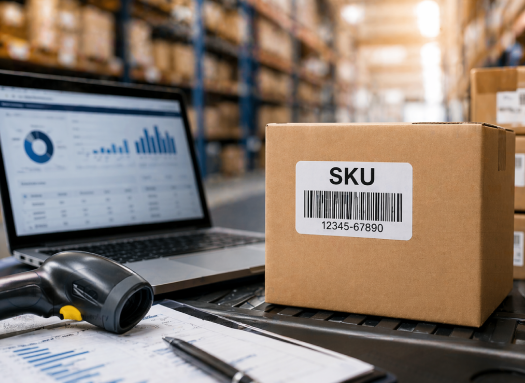
- Merchant SKU: The seller's inventory identifier must match the intended offer.
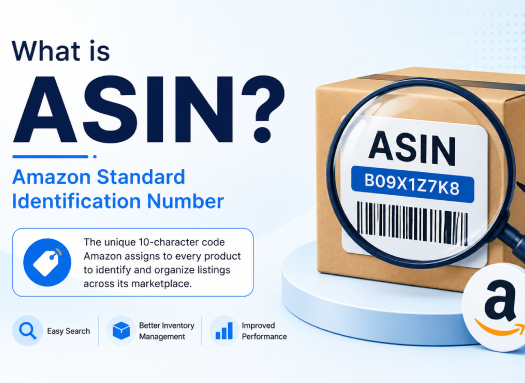
- ASIN: Confirm that the product corresponds to the correct Amazon catalog listing.
- Product variation: Check size, color, model, flavor, quantity per pack, and other distinguishing attributes.
- Condition: Confirm that the actual product condition matches the intended listing.
- Quantity: Reconcile received units against the supplier records and planned shipment.
- Case-pack details: Verify the number of sellable units inside each case when applicable.
For example, a wholesale carton containing 24 retail units is not necessarily equivalent to 24 sellable multipacks. Confirm how the product is listed and packaged before assigning quantities or creating labels.
Investigate discrepancies before shipment creation. Correcting a mismatch during receiving is generally easier than tracing a shortage or incorrect product after Amazon receives the shipment.
4. Confirm Barcode and Labeling Requirements
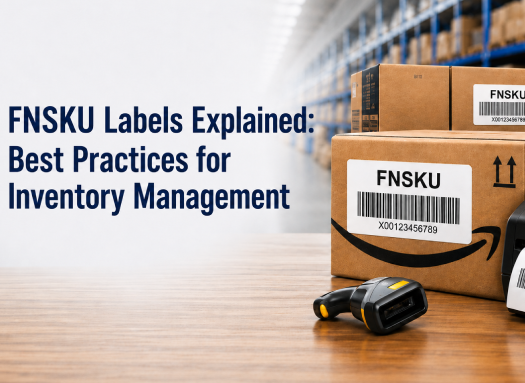
Barcode decisions should be made for the specific product and seller configuration, not from a universal assumption that every unit needs the same label. Amazon's requirements may permit an eligible manufacturer barcode or require an Amazon barcode, such as an FNSKU, depending on the product and applicable conditions.
- Review the barcode guidance shown for the inventory in Seller Central.
- Confirm whether the manufacturer barcode is eligible for the specific offer.
- Generate the correct Amazon barcode labels when required.
- Match labels to the correct SKU, product variation, and condition.
- Apply labels to accessible, suitable surfaces where scanners can read them.
- Follow instructions for covering conflicting barcodes when applicable.
- Protect special authentication labels, including Transparency codes, according to their requirements.
- Test that printed barcodes are clear and scannable before completing the batch.
Do not assume that an existing UPC or EAN automatically satisfies every FBA labeling requirement. Similarly, do not cover a product barcode or authentication code without confirming the applicable instructions.
Keep the labeling process traceable. For larger wholesale orders, a batch record linking the product identifier, label type, quantity, and completed preparation status can help identify errors before dispatch.
5. Check Product Packaging and Prep
Products must be protected appropriately for storage, handling, and transportation. The exact preparation method depends on the item's characteristics and the instructions applicable to that product.
Use a product-specific prep checklist
- Standard products: Check that the existing packaging is suitable and that required identifiers remain accessible.
- Fragile items: Apply the required protective packaging and verify that the product is adequately protected against handling damage.
- Liquids, gels, and creams: Review applicable leakage-prevention, sealing, and containment requirements.
- Products requiring poly bags: Use suitable bags and include required warnings where applicable.
- Expiration-dated products: Verify date visibility, shelf-life eligibility, and labeling requirements.
- Bundles and multipacks: Confirm that the intended sellable unit is correctly assembled, identified, and secured against separation.
- Products with special handling requirements: Review applicable rules for batteries, sharp items, powders, or regulated products before preparing them.
Packaging requirements can change, and a product may fall into more than one preparation category. Use the current Seller Central prep guidance instead of relying solely on an old checklist or a previous shipment's settings.
Also confirm that any supplier packaging, retail presentation, or promotional sticker does not conflict with the required identification or preparation process. Preserve genuine product information and follow applicable marketplace rules.
6. Prepare Cartons and Shipment Information
Once the units are verified and prepared, the next task is to make the shipment itself accurate and ready for transport. Correct product labels do not compensate for incorrect carton quantities or missing shipment identifiers.
Verify the shipment plan
- Confirm the intended inventory and quantities in the Send to Amazon workflow.
- Choose the correct packing method, such as individual products or case-packed inventory, where applicable.
- Provide accurate box-content information according to the selected workflow.
- Verify carton dimensions, weights, and contents against the physical shipment.
- Check the selected carrier and shipping method.
Inspect carton packaging and labels
- Use sturdy cartons suitable for the products and transportation conditions.
- Protect contents against movement and damage without creating unsafe or noncompliant packaging.
- Remove or cover obsolete shipping labels and conflicting external barcodes when required.
- Print the current shipment and box labels generated for the shipment.
- Attach each required label to the correct carton in a readable, scannable position.
- Keep barcodes clear of seams, corners, folds, and damage-prone areas.
- Apply pallet labels and follow pallet preparation instructions when using palletized freight.
Use the current shipment workflow to determine which labels are required. Each carton must be associated with the correct shipment information, and labels should not be copied or reused across cartons when unique labels are required.
For official instructions, consult Amazon's shipping and routing requirements before dispatch.
7. Final Amazon FBA Shipment Checklist
Use this final review before authorizing a wholesale shipment. A shipment should proceed only when required checks are complete and discrepancies have been resolved or appropriately held back.
Inventory and documentation
- Supplier documents and purchase order are available.
- Received carton and unit quantities have been reconciled.
- Products match the intended SKUs, ASINs, variations, and conditions.
- Damaged or questionable units have been separated and documented.
- Product eligibility and applicable restrictions have been checked.
Product preparation
- Required barcode types have been confirmed.
- Unit labels are accurate, readable, and correctly applied.
- Product-specific packaging and prep requirements have been satisfied.
- Bundles and multipacks are correctly identified and secured.
- Expiration dates and other required product information are accessible where applicable.
Cartons and dispatch
- Shipment quantities and box contents match the physical inventory.
- Carton dimensions and weights are recorded accurately.
- Required box, shipment, carrier, and pallet labels are applied.
- Cartons are secure and suitable for transportation.
- Shipment records, tracking details, and supporting documents are retained.
- A responsible person has completed the final review.
Operational tip: Keep a dated checklist for every shipment and record who completed the review. Over time, these records can help identify recurring labeling, receiving, or quantity discrepancies.
Common Wholesale FBA Prep Mistakes
Relying only on supplier packing lists
A supplier's paperwork is a starting point, not proof that the physical delivery is correct. Count and verify inventory before processing it for FBA.
Mixing similar products
Products with different sizes, variations, or pack quantities can be confused when stored together. Use clear identifiers and reconcile each product against the correct listing.
Using the wrong barcode
Applying a label without confirming the applicable barcode method can create identification problems. Check the current product-specific instructions before labeling.
Ignoring special preparation requirements
Standard packaging may be insufficient for certain fragile, liquid, expiration-dated, or otherwise specially handled products. Review each applicable prep category.
Using incorrect carton information
Differences between physical box contents and submitted shipment information can complicate receiving. Reconcile quantities, dimensions, weights, and required labels before dispatch.
Failing to document discrepancies
Undocumented shortages, damage, or substitutions make later investigation harder. Record exceptions and keep supporting evidence with the shipment file.
When Should You Use an FBA Prep Center?
Preparing wholesale inventory in-house may work well when the SKU count, shipment volume, and product requirements are manageable. As operations expand, however, receiving, inspection, labeling, storage, and shipment preparation can demand more time and coordination.
An FBA prep center may be worth evaluating when your business needs help with tasks such as:
- Receiving and reconciling bulk inventory from suppliers.
- Inspecting products and recording discrepancies.
- Applying required barcode labels and protective packaging.
- Organizing inventory before replenishment shipments.
- Preparing cartons and forwarding inventory according to the shipment plan.
Before choosing a provider, compare its wholesale volume requirements, service scope, inspection process, storage charges, material costs, communication procedures, and shipping arrangements. Confirm which activities are included in the quoted price and which incur additional charges.
Stock & Ship publishes information about its wholesale FBA preparation and pricing. Review the current service terms and eligibility criteria to determine whether they fit your operation.
Frequently Asked Questions (FAQs)
Get clear answers to common questions about preparing wholesale inventory for Amazon FBA, including product inspection, labeling, packaging, and shipment readiness.
What is included in an Amazon FBA prep checklist for wholesale resellers?
A practical checklist covers supplier documentation, receiving and quantity reconciliation, product inspection, SKU and ASIN verification, barcode requirements, product-specific packaging, carton labels, shipment details, and final dispatch approval. Requirements vary by product and shipment.
Do wholesale products always need FNSKU labels?
No. The correct barcode method depends on the product, its eligibility for manufacturer barcode tracking, and the applicable Amazon requirements. Check the product's current barcode guidance in Seller Central before applying labels.
What should I do if a wholesale shipment arrives with damaged or missing products?
Record the discrepancy, compare the delivery with supplier documentation, photograph relevant damage, and separate questionable units from approved inventory. Resolve the issue before including affected products in an FBA shipment.
Can a prep center handle Amazon FBA preparation for wholesale inventory?
Some prep centers offer receiving, inspection, labeling, packaging, storage, and shipment preparation for wholesale sellers. Confirm the provider's accepted product types, minimum quantities, included services, additional fees, and shipment workflow before sending inventory.
Build a Reliable Amazon FBA Preparation Process
Reliable Amazon FBA preparation begins with accurate inventory records and continues through product inspection, barcode verification, suitable packaging, and shipment reconciliation. A repeatable checklist helps wholesale resellers catch discrepancies before inventory leaves their control.
Review the current requirements for every product and shipment rather than assuming that a previous preparation method will always apply. Whether you prepare inventory in-house or work with a third-party provider, clear procedures and documented checks can make your wholesale replenishment process easier to manage.
Explore Stock & Ship's wholesale FBA preparation services, service requirements, and pricing to determine whether they align with your operational needs and help you spend more time managing your Amazon business.
Simplify Your Amazon FBA Prep Workflow
Explore professional FBA preparation services for receiving, inspecting, labeling, packaging, and preparing your wholesale inventory for Amazon fulfillment.