

Small Parcel Delivery
-
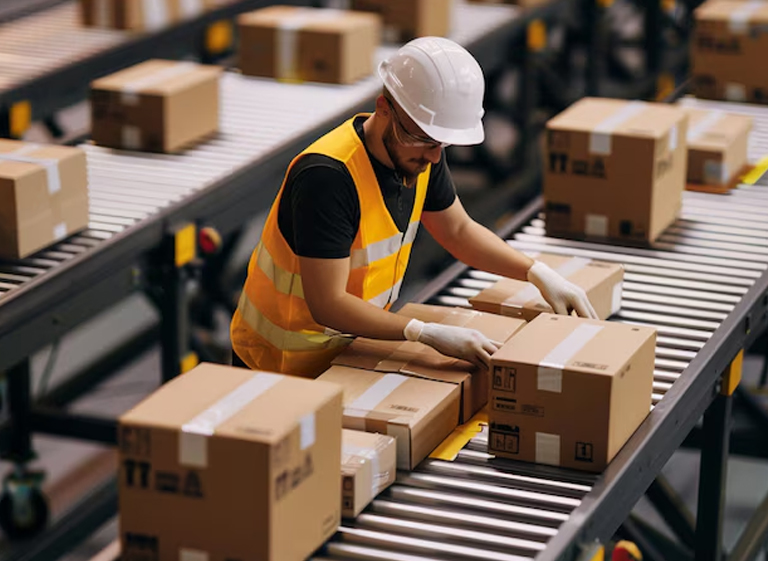
Box Dimensions:
No more than 25 inches on any side -
Weight Limits:
40 pounds or less for boxes containing jewelry or watches; 50 pounds for boxes containing multiple items; for boxes with single oversized items read guidelines on Amazon Shipping Requirements.
Pros of Small Parcel Delivery:
-
Flexibility
Small parcel delivery works best for smaller shipments, allowing the seller to send individual packages as needed.
-
Simplicity
Small parcel delivery is a straightforward process, with fewer logistical considerations compared to LTL. Thus, it is easier for small business owners or those just starting out to navigate.
-
Speed
Small parcel delivery offers quicker delivery times, which generally expedites stock replenishment.
-
Cost-Effectiveness for Small Volumes
For sellers who are shipping only small volumes, small parcel delivery can be more cost-effective.
-
Simplicity
Small parcel delivery is a straightforward process, with fewer logistical considerations compared to LTL. Thus, it is easier for small business owners or those just starting out to navigate.
Fill out the form for a free logistics consultation!

You can contact us directly and schedule your shipment now
Cons of Small Parcel Delivery:
-
Higher Costs for Large Shipments
One drawback to small parcel delivery is that the expenses go up when the volume of shipments increases.
-
More Packaging Material
Small individual parcels require more packaging material, which can add to your costs and labor.
-
Increased Handling
Because each small parcel is handled separately, there is a greater chance of loss or damage.
Less Than Truckload
Pros of Less Than Truckload:
-
Cost Savings for Bulk Shipments
For sellers that send large shipments, LTL is generally more economical as you're paying for a portion of a truck rather than for each small parcel.
-
Efficient for Large Quantities
For shipping bulk quantities, LTL shipping can help optimize inventory management.
-
Reduced Handling
When you use the LTL shipping method, your items are palletized, which reduces handling and potential damage to your items.
Cons of Less Than Truckload:
-
Minimum Requirements
There are minimum shipment requirements for LTL shipments, which may not be suitable for sellers with smaller inventories.
-
Complexity
LTL shipping is more complex and requires greater planning, coordination, and understanding of freight logistics, which can be challenging for most small businesses.
-
Longer Delivery Times
LTL shipments often take longer due to the consolidation process and multiple stops.
Final Thoughts
When deciding between SPD and LTL shipping, consider the size and frequency of your shipments, your budget constraints, and your ability to manage logistics. For small, infrequent shipments, SPD might be the way to go. However, if you’re moving large volumes regularly, LTL could offer significant savings and efficiency.
Remember, the right shipping method for your Amazon FBA business can streamline your operations and contribute to your success. Evaluate your needs carefully, and choose the option that aligns with your business strategy and goals.
If you need assistance deciding on the best shipping option for your business, we can help. Stock and Ship has over 15+ years of experience both as an Amazon FBA seller and 3PL service provider. We can help you find clarity in these matters so you can successfully scale your e-commerce business.
Schedule an appointment today.
Frequently Asked Questions
What is the main difference between Small Parcel Delivery (SPD) and Less Than Truckload (LTL) shipping for Amazon FBA?
Small Parcel Delivery (SPD) involves shipping individual boxes directly to Amazon fulfillment centers, ideal for small and infrequent shipments. Less Than Truckload (LTL) shipping is used for bulk shipments that don’t fill an entire truck but are too large for SPD, typically shipped on pallets.
When should I use Small Parcel Delivery (SPD) for my Amazon FBA shipments?
SPD is best suited for smaller shipments, especially if you’re a small seller or just starting out. It offers flexibility, faster delivery times, and easier logistics management. However, it becomes costlier and less efficient for larger volumes.
What are the benefits of using LTL shipping for Amazon FBA?
LTL shipping is more cost-effective for bulk shipments, reduces the risk of damage due to palletization, and helps streamline inventory management. It’s ideal for sellers who regularly ship large quantities to Amazon FBA.
Are there any downsides to using LTL shipping?
Yes, LTL requires a minimum shipment volume, has more complex logistics, and often involves longer delivery times due to multiple stops and consolidation processes.
How can I choose the right shipping method for my Amazon FBA business?
Consider factors like shipment size, frequency, budget, and your ability to handle logistics. SPD is ideal for smaller, more frequent shipments, while LTL is better for larger, less frequent bulk shipments. Consulting a fulfillment expert like Stock and Ship can help you make the best decision.