

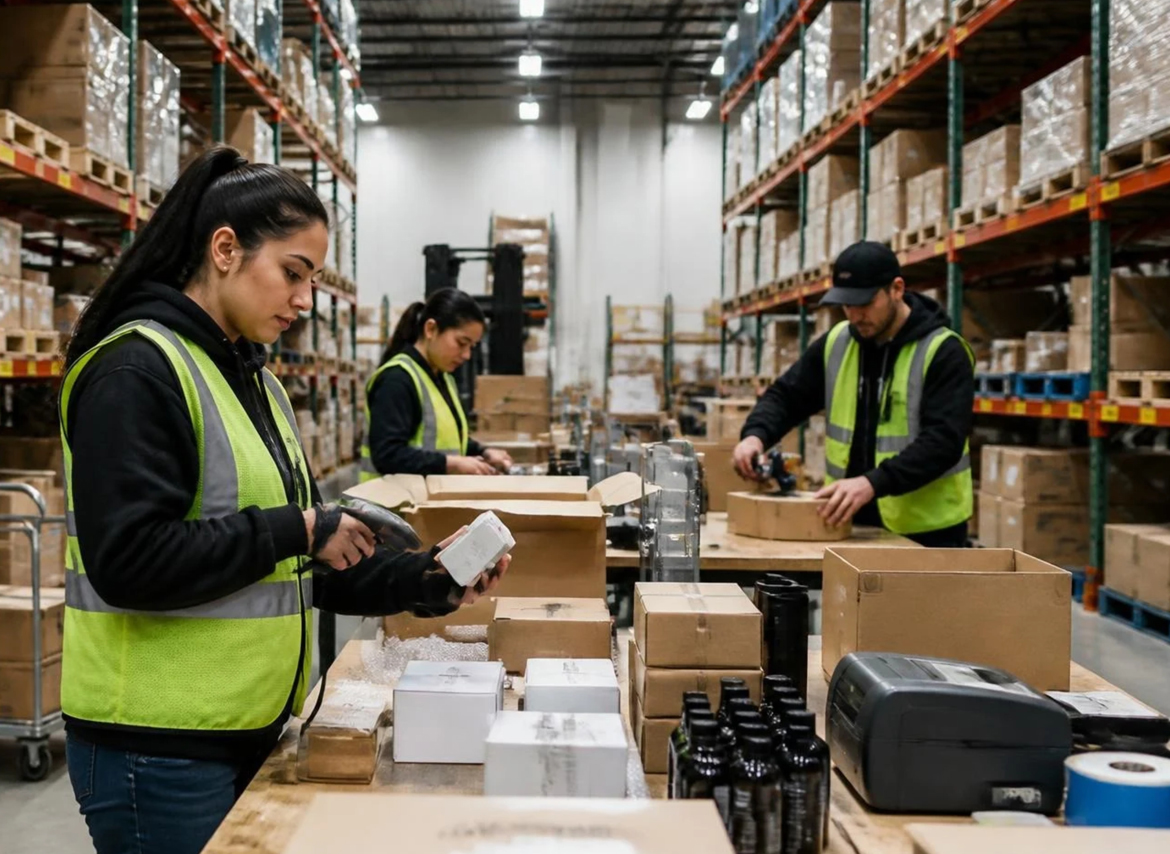
Wholesale inventory management for Amazon, Wallmart and others FBA is more than just buying products in bulk and sending cartons to a fulfilment center. Sellers need to coordinate supplier deliveries, check quantities, inspect products for damage, apply the correct labels, pack shipments, and maintain accurate inventory records. But when those jobs become too difficult to manage internally, partnering with a reputable wholesale prep center in Oregon like Stock & Ship can help simplify inventory management, make Amazon FBA prep easy and support business growth.
The right provider will be a match for your buying volume, SKU needs, product categories, shipment schedule and budget. A low rate per unit is helpful, but it doesn’t tell you if the provider can do mixed-SKU deliveries, resolve receiving discrepancies or prepare replenishment shipments properly. Use the following criteria to compare providers before you commit your inventory to a new facility.
Understand Your Wholesale Prep Requirements
Start by documenting what your business actually needs. Wholesale sellers often purchase multiple cases of established products from distributors or brands, but shipment sizes, SKU counts, packaging requirements, and delivery schedules can vary considerably.
Before contacting prep centers, prepare a short operational profile covering:
- Monthly unit volume: Estimate how many units you expect to send for preparation each month.
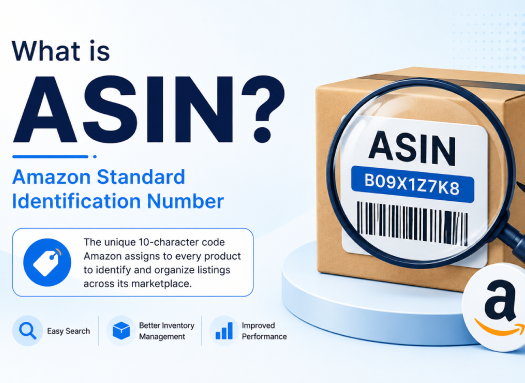
- SKU and ASIN mix: Record how many different products appear in a typical shipment and how many units belong to each SKU.
- Product characteristics: Identify fragile, liquid, oversized, expiration-dated, apparel, or other products that may need special handling.
- Inbound shipment types: Specify whether inventory arrives in individual cartons, palletized loads, or containers.
- Outbound destinations: Determine whether products will go to Amazon FBA, another marketplace, or a separate distribution channel.
- Storage needs: Estimate how long inventory may remain at the facility before it is shipped.
These details help providers determine whether they can accommodate your business and quote the work accurately. They also make proposals easier to compare because every provider is responding to the same operational requirements.
Evaluate Bulk Receiving and Inventory Accuracy
Wholesale preparation begins when inventory arrives. If a supplier ships several cases containing multiple SKUs, the prep center must identify the products, reconcile quantities, and record discrepancies before processing begins.
Ask how inbound deliveries are checked
Find out whether the provider counts units, checks product identifiers, records carton condition, and documents visible damage. Clarify how it handles shortages, overages, incorrect products, and unexpected deliveries.
For example, suppose a purchase order specifies 600 units across six SKUs, but the delivery contains only 580 units. A useful receiving process should identify the discrepancy, document the affected products, and notify you before the inventory is treated as fully received.
Check SKU-level inventory records
Ask how you will see received quantities, processed units, damaged inventory, remaining stock, and outbound shipments. A portal, structured inventory report, or documented update process can help you reconcile prep center records against supplier invoices and your own purchasing system.
Also establish whether receiving discrepancies are investigated before prep charges are finalized. Clear records are especially important when you are managing repeat orders from multiple suppliers.
Check Amazon FBA Preparation Capabilities
Do not assume every warehouse that handles eCommerce inventory can meet your specific Amazon preparation requirements. Ask the provider to explain its process for the product types and categories you sell.
Depending on the product and Amazon's current instructions, preparation may involve:
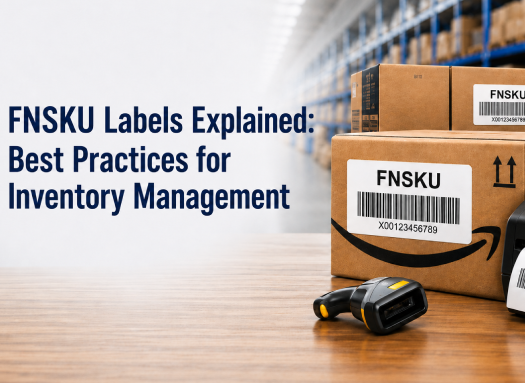
- Applying the correct FNSKU or other required barcode labels.
- Removing or covering conflicting barcodes when required.
- Using suitable polybags, protective packaging, or other materials.
- Applying required expiration-date or suffocation-warning labels.
- Preparing bundles and multipacks according to the applicable requirements.
- Checking carton labels and shipment documentation before dispatch.
Amazon's official FBA product preparation guidance explains that preparation requirements can vary by product. Review the current requirements for your own inventory rather than relying entirely on a prep center's general description of its services.
Ask about quality control and exceptions
Find out whether products are checked before and after labeling, how errors are reported, and what happens when a product arrives damaged or has insufficient packaging. Ask who authorizes rework and how additional labor or materials are charged.
A written procedure for exceptions is more useful than a vague promise of error-free processing. It establishes what the provider will do when inventory does not arrive as expected.
Compare Total Prep Center Costs
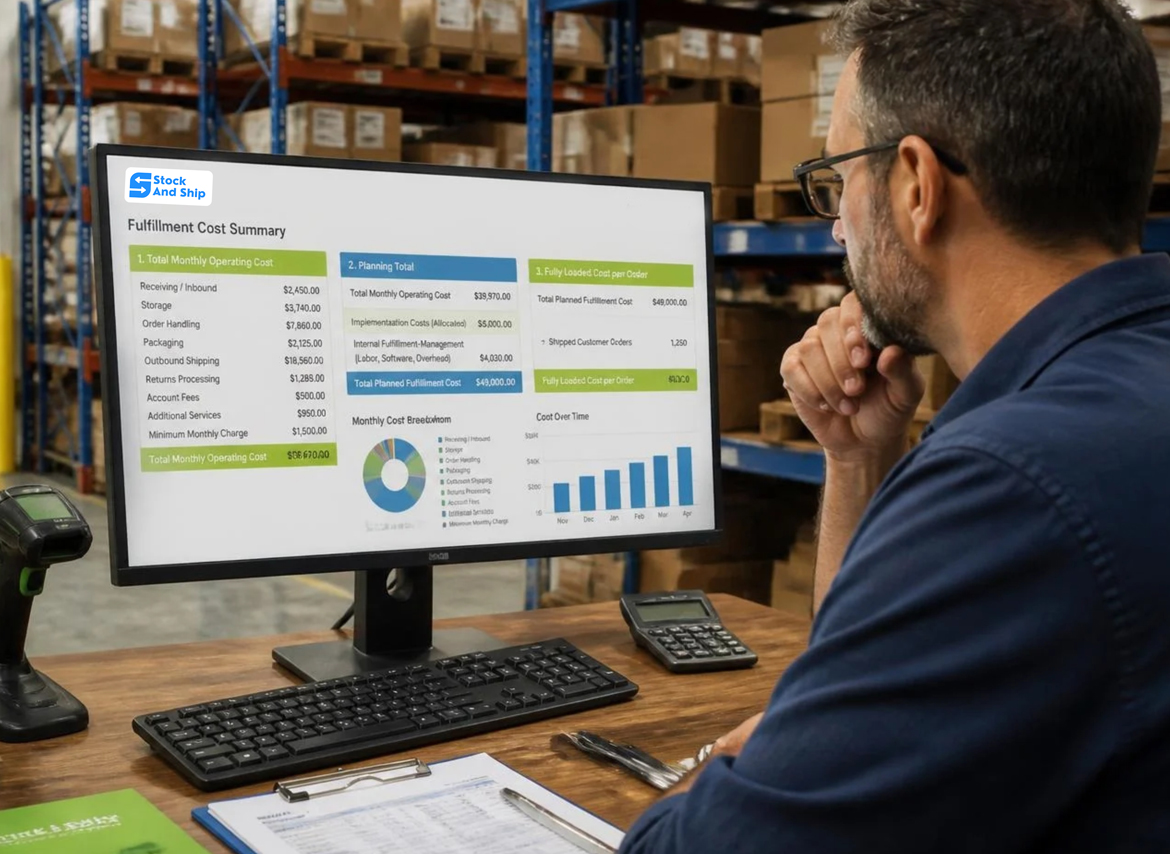
Compare the complete cost of preparing and moving inventory, not just the advertised per-unit fee. Two providers can quote different rates while including different combinations of receiving, inspection, labeling, materials, storage, and shipment preparation.
Request an itemized quote that addresses:
- Receiving charges for cartons, pallets, or containers.
- Per-unit preparation and labeling fees.
- Special handling for fragile, oversized, or expiration-dated products.
- Bundling, kitting, repackaging, and additional materials.
- Storage charges and the period of any included storage.
- Carton forwarding, pallet preparation, and outbound handling.
- Carrier postage, freight, and other transportation expenses.
- Returns, removal orders, rework, and inventory disposal, if offered.
Calculate the cost per saleable unit
A simple comparison formula is:
Total effective cost per saleable unit = Total applicable receiving, prep, materials, storage, handling, and transportation costs ÷ Number of saleable units prepared.
Use consistent assumptions when comparing quotes. If one provider includes standard labels but another bills them separately, add those costs before making a decision. Exclude unrelated business expenses from the comparison, but include all costs that differ between the providers.
For a practical example, a shipment containing 1,000 units might incur $1,000 in total prep-related and logistics charges. Its effective cost would be $1 per saleable unit. If 20 units are rejected or unsaleable, however, the same $1,000 spread across 980 saleable units becomes approximately $1.02 per unit.
This is an illustrative calculation, not a provider quote. Your actual costs depend on your products, service requirements, shipping arrangements, and contract.
Review Storage and Replenishment Processes
Amazon’s urgent inventory needs don’t always align with wholesale purchasing. You may get a big supplier order but want to send smaller quantities to FBA bit by bit. The prep center’s preparation services are not the only processes deserving of attention; its storage and replenishment processes deserve attention too.
Ask how the facility divides inventory by client and SKU, how it tracks inventory movement and how it reports available quantities. Check how long is included for storage, when recurring charges begin, whether there are minimum billing periods, and whether there are limits on space.
Explain how to submit replenishment requests, what information is needed, and how shipment progress is communicated. Ask about the specific activities your provider handles and which decisions you still need to make if they offer inventory reporting or shipment coordination.
Also, make sure you know the provider’s procedure for slow moving stock, damaged goods, returns and stock you want to move elsewhere. If you change provider later, having clear exit procedures can avoid confusion.
Ask prospective providers:
- Who is the primary contact for receiving and shipment issues?
- How are inventory discrepancies and damage documented?
- How frequently are inventory and order statuses updated?
- What is the normal processing window, and when does the clock start?
- How are delays, urgent requests, and additional charges communicated?
- What records are available if quantities or charges are disputed?
Request written service expectations rather than relying on verbal estimates. A stated processing window should clarify whether it begins when the carrier delivers the shipment, when receiving is completed, or when all required information is available.
You should also establish the limits of the provider's responsibility. A prep center may prepare inventory and coordinate dispatch, but carrier delays, Amazon receiving times, and marketplace inventory availability are not necessarily under its control.
Understand the Oregon Location Advantage
Oregon's lack of a general state sales tax can be relevant when evaluating warehouse and purchasing arrangements. However, sellers should distinguish the state's tax environment from the total cost of operating their businesses.
Ask where the inventory will physically be stored, where orders will be dispatched from, and how transportation costs compare with your suppliers and intended destinations. A convenient warehouse location does not automatically guarantee lower freight charges or faster delivery for every shipment.
Do not assume that storing inventory in Oregon eliminates every tax obligation associated with selling in the United States. Your business activities, inventory locations, sales channels, and applicable state rules may affect tax responsibilities. Seek qualified tax advice for your circumstances.
Finally, confirm the provider's actual service coverage. A business that serves customers across the country does not necessarily operate warehouses in every state it mentions.
Use a Provider Comparison Checklist
Before signing an agreement, score each candidate against the same criteria. A simple rating from 1 to 5 can help you compare proposals, provided you record evidence for each score.
- Wholesale suitability: Can the provider handle your typical unit volume, SKU mix, and inbound shipment format?
- Receiving controls: Are quantities, damage, and discrepancies recorded clearly?
- Prep capabilities: Does the provider support your actual product categories and preparation requirements?
- Cost transparency: Are recurring fees, materials, storage, and transportation clearly itemized?
- Inventory visibility: Can you obtain usable records of stock and shipment status?
- Storage flexibility: Are storage terms, replenishment procedures, and stock-removal options clear?
- Communication: Are contacts, reporting methods, escalation procedures, and responsibilities documented?
- Contract terms: Are payment terms, liability, insurance, termination, and dispute procedures explained?
Do not rely on the score alone. A provider with a lower overall score may be unsuitable if it cannot handle a critical product requirement, while a higher-priced provider may offer better value if it reduces avoidable handling costs or operational risks.
Avoid Common Selection Mistakes
Several selection mistakes can create problems after inventory has already arrived at the warehouse.
- Choosing solely on price: A low base rate may exclude materials, storage, receiving, or special handling.
- Ignoring minimum requirements: Some providers have minimum monthly volumes, minimum quantities per SKU, or restrictions on the clients they accept.
- Skipping a sample workflow: Ask how the provider would handle a representative shipment before committing substantial inventory.
- Failing to confirm product acceptance: Get approval for any restricted, fragile, oversized, or otherwise unusual products before sending them.
- Leaving responsibilities unclear: Document who creates shipment plans, supplies labels, authorizes rework, and pays transportation charges.
- Overlooking exit arrangements: Check how inventory will be released or transferred if the relationship ends.
Where practical, begin with a manageable shipment that reflects your normal wholesale workflow. Review receiving accuracy, communication, charges, and records before increasing volume. A pilot shipment cannot guarantee future performance, but it can expose unclear procedures before they affect a larger inventory commitment.
Frequently Asked Questions (FAQs)
Get practical answers to common questions about selecting a wholesale prep center in Oregon for Amazon FBA inventory and bulk shipments.
What should I look for in a wholesale prep center in Oregon?
Look for wholesale volume capacity, accurate receiving, appropriate Amazon FBA preparation, transparent pricing, reliable inventory records, suitable storage, and clearly documented service responsibilities.
How much does a wholesale prep center charge?
Pricing varies by unit volume, product type, receiving method, labeling, materials, storage, and outbound shipping. Request an itemized quote based on your actual SKU mix and shipment volume.
Does an Oregon prep center eliminate all sales tax obligations?
No. Oregon has no general state sales tax, but businesses may still have tax obligations in other jurisdictions depending on their activities and applicable rules. Consult a qualified tax professional for advice.
Should I test a prep center before sending bulk inventory?
When practical, start with a manageable shipment. Review receiving accuracy, preparation quality, communication, invoice details, and shipment records before committing larger volumes.
Final Thoughts
Choosing a wholesale prep center in Oregon is an operational decision, not simply a search for the lowest per-unit fee. The right fit depends on your volume, product requirements, inventory controls, storage needs, and the total cost of moving saleable inventory through the preparation process.
Compare providers using the same shipment assumptions, ask for written procedures, and clarify responsibilities before your inventory arrives. A careful evaluation can help you select a partner whose capabilities and operating model fit your wholesale business.
Explore Stock & Ship Services
Stock & Ship lists Amazon FBA and marketplace preparation, inventory storage, and eCommerce fulfillment among its services. Review the available options and confirm that the current wholesale requirements, pricing, and service scope match your business.