

Introduction
The Future of eCommerce Fulfillment in 2026 is defined by rapid innovation, heightened customer expectations, and increasing global competition. Ecommerce fulfillment has evolved far beyond simple warehousing and shipping. Today’s consumers expect ultra-fast delivery, real-time order visibility, seamless returns, and environmentally responsible practices—all at competitive prices.
As we move through 2026, sellers can no longer depend on traditional fulfillment models that lack speed, flexibility, and scalability. The future of eCommerce fulfillment revolves around automation, sustainability, omnichannel efficiency, and global readiness. Businesses that adapt to these changes will secure long-term growth, while those that resist modernization risk falling behind in an increasingly demanding digital marketplace.
Why the Future of eCommerce Fulfillment Is Accelerating in 2026?
Consumer behavior in 2026 continues to push ecommerce fulfillment toward faster and smarter solutions. Same-day and next-day delivery are now baseline expectations rather than premium services. Shoppers also demand accuracy, transparency, and flexible delivery options, which places constant pressure on sellers to improve fulfillment performance.
At the same time, major marketplaces and DTC brands are setting higher benchmarks for fulfillment speed and reliability. Rising logistics costs, labor shortages, and past supply chain disruptions have further exposed inefficiencies in outdated fulfillment systems. These forces combined are accelerating the transformation of ecommerce fulfillment, making innovation a necessity rather than a choice.
Technology Redefining eCommerce Fulfillment Operations
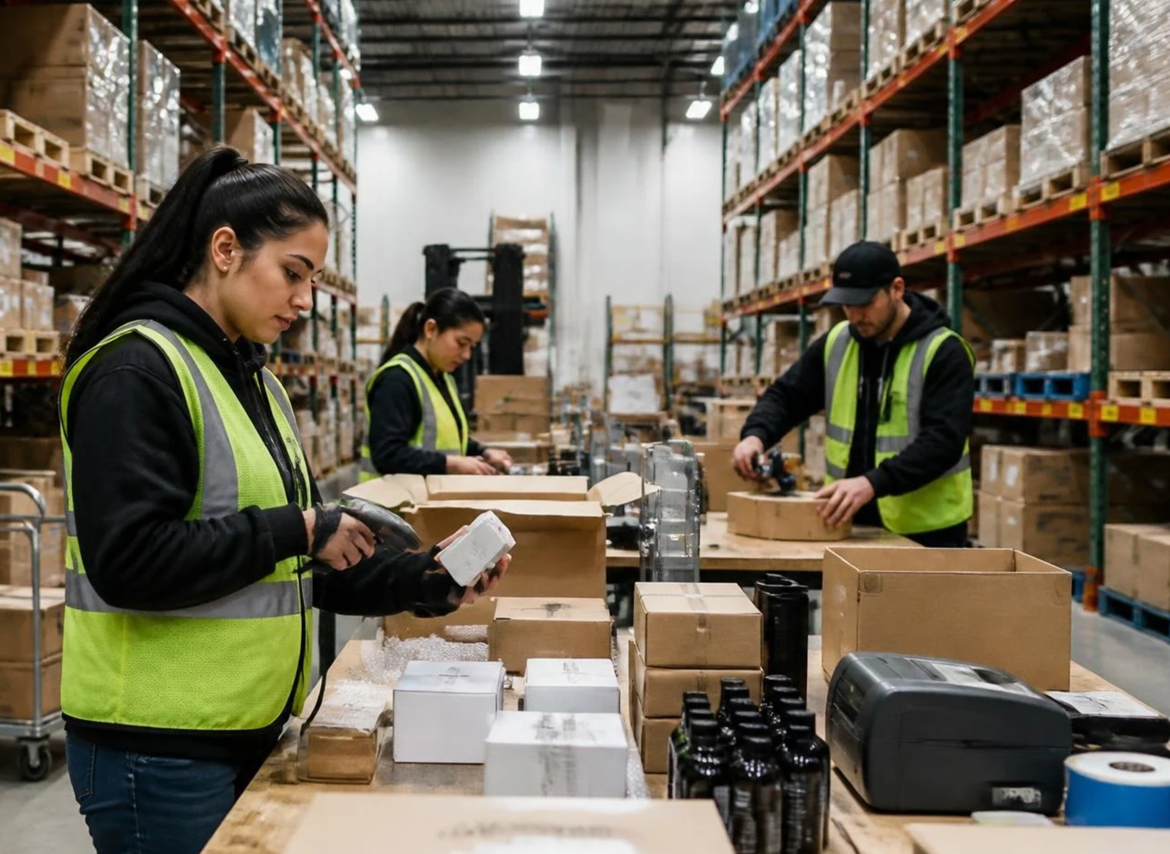
Technology is reshaping fulfillment: AI-driven forecasting and predictive analytics optimize inventory and reduce errors, while automation and robotics speed up picking, packing, and sorting to deliver faster, more reliable order fulfillment and improved customer satisfaction.
Key Benefits:
- AI and ML integration: Embedded across fulfillment systems for demand forecasting and error reduction.
- Predictive analytics: Enables accurate preparation for seasonal spikes and market shifts.
- Inventory optimization: Smarter inventory placement reduces stockouts and lowers carrying costs.
- Automation and robotics: Automated picking, packing, and sorting shorten processing times and increase consistency.
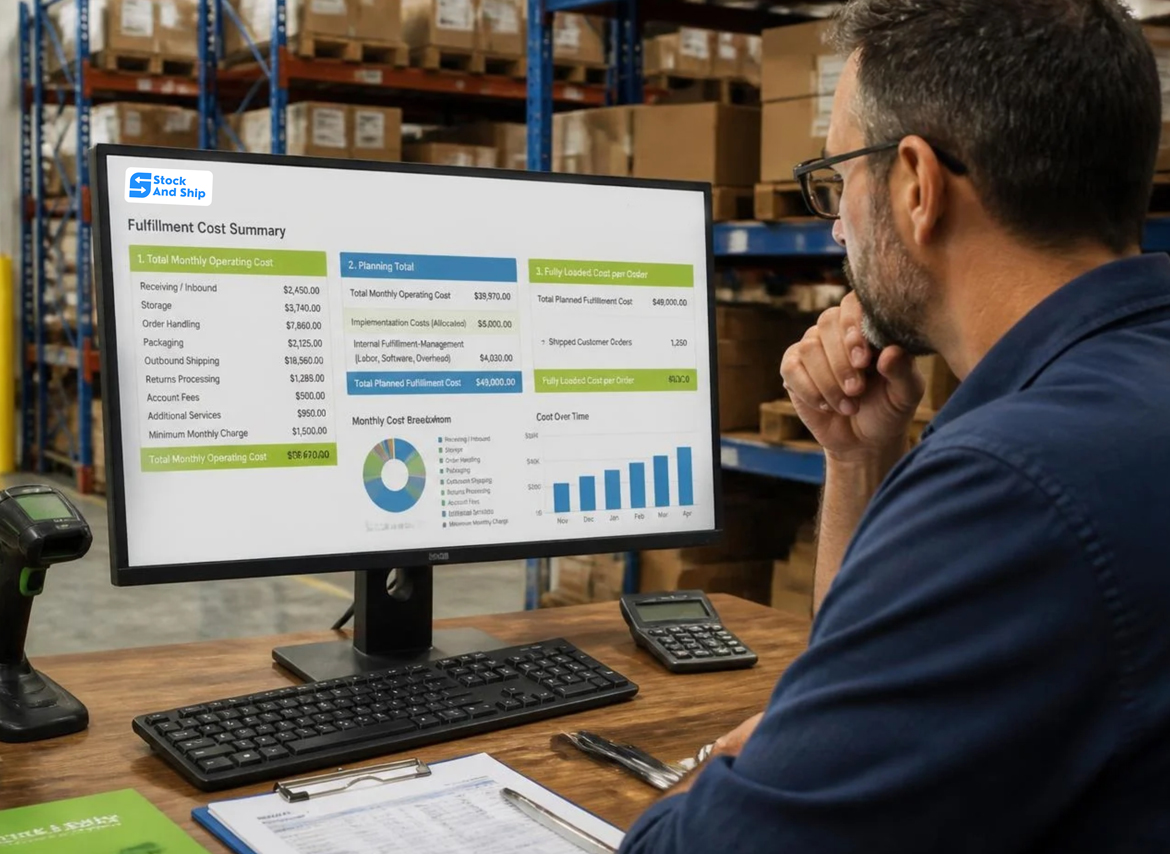
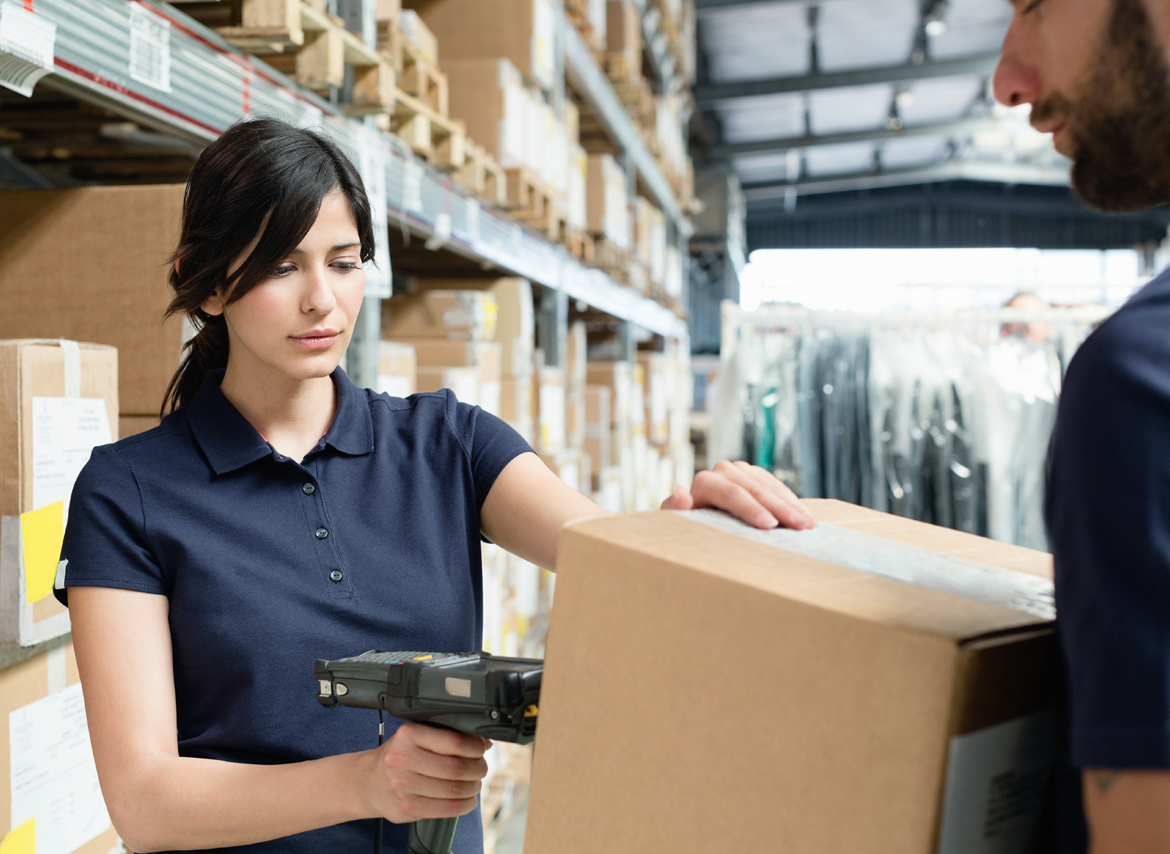
- Real-time visibility: Live inventory tracking across warehouses improves coordination and fulfillment speed.
- Customer impact: Faster cycles and fewer errors drive higher satisfaction and competitive advantage.
Fill out the form for a free logistics consultation!

You can contact us directly and schedule your shipment now
Sustainability Becoming a Core Fulfillment Strategy
Sustainability is no longer a secondary concern in ecommerce fulfillment—it is a core strategy in 2026. Consumers actively support brands that demonstrate environmental responsibility through eco-friendly packaging, reduced waste, and lower carbon emissions. Sustainable fulfillment practices directly influence brand loyalty and purchasing decisions.
Fulfillment providers are investing in energy-efficient warehouses, recyclable materials, and optimized transportation routes. Sellers adopting sustainable ecommerce fulfillment not only align with evolving consumer values but also prepare for stricter environmental regulations. In the future of eCommerce fulfillment, sustainability and profitability are becoming increasingly interconnected.
Omnichannel and Distributed Fulfillment as the New Standard
The rise of omnichannel selling has reshaped ecommerce fulfillment expectations in 2026. Customers shop across marketplaces, brand websites, mobile apps, and social platforms, expecting consistent delivery experiences regardless of where the order is placed. This requires unified inventory systems and synchronized fulfillment operations.
Distributed fulfillment allows sellers to store inventory across multiple locations, reducing shipping distances and delivery times. By integrating omnichannel strategies with advanced ecommerce fulfillment solutions, businesses can improve order accuracy, reduce costs, and deliver a seamless customer experience across all sales channels.
Faster, Localized, and Micro-Fulfillment in 2026
Speed continues to dominate the future of eCommerce fulfillment. Micro-fulfillment centers and localized warehouses are expanding rapidly in 2026, especially in high-demand urban areas. These smaller facilities enable same-day and next-day delivery while lowering last-mile shipping costs.
Localized ecommerce fulfillment improves delivery reliability and reduces dependency on large centralized warehouses. As customer expectations for speed continue to rise, sellers leveraging micro-fulfillment networks gain a significant competitive advantage in both cost efficiency and customer satisfaction.

Global, Tax-Efficient, and Cross-Border Fulfillment Growth
Global ecommerce expansion is stronger than ever in 2026, making cross-border ecommerce fulfillment a critical growth strategy. Sellers are increasingly reaching international customers without building physical infrastructure in every region. Modern fulfillment partners handle customs clearance, duties, and compliance, simplifying global logistics.
Tax-efficient fulfillment locations are also gaining importance. By storing inventory in tax-advantaged regions, sellers can reduce overhead and improve margins. Strategic global ecommerce fulfillment enables businesses to scale internationally while maintaining cost control and operational efficiency.
Frequently Asked Questions (FAQ)
How is the future of eCommerce fulfillment changing in 2026?
In 2026, ecommerce fulfillment is driven by automation, sustainability, faster delivery expectations, and global expansion strategies.
Why is technology critical for ecommerce fulfillment in 2026?
Technology improves speed, accuracy, inventory control, and scalability, helping sellers meet rising customer demands efficiently.
How does sustainability impact ecommerce fulfillment decisions?
Sustainable fulfillment builds customer trust, enhances brand value, and supports regulatory compliance while reducing long-term costs.
What is the role of omnichannel fulfillment in 2026?
Omnichannel fulfillment ensures seamless inventory and delivery experiences across multiple sales platforms, improving customer satisfaction.
How can sellers prepare for the future of eCommerce fulfillment?
Sellers should invest in advanced fulfillment technology, partner with reliable providers, adopt sustainable practices, and plan for global growth.
Final Thoughts
The Future of eCommerce Fulfillment in 2026 is shaped by technology, sustainability, and customer-centric innovation. Ecommerce fulfillment is no longer just an operational function—it is a competitive differentiator that directly impacts growth, profitability, and brand trust.
Sellers who embrace automation, sustainable logistics, omnichannel integration, and global fulfillment strategies will be best positioned to succeed in 2026 and beyond. Adapting early to the evolving ecommerce fulfillment landscape ensures long-term resilience, faster scalability, and stronger customer relationships in a highly competitive digital economy.