

Listen This Article
Introduction
In the booming world of online shopping, customers expect fast shipping, accurate deliveries, and seamless order experiences. Brands that can meet these expectations stand out and grow rapidly. This is where a powerful, well-designed DTC fulfillment strategy becomes your biggest competitive advantage.
Direct-to-consumer companies rely heavily on smooth logistics. Every step—from the moment a customer clicks “Buy Now” to the moment the package reaches their doorstep—shapes the brand’s reputation. With rising competition, product personalization, same-day delivery options, and growing customer demands, businesses need more than just packing and shipping. They need a streamlined system powered by DTC fulfillment services that combine speed, transparency, and efficiency.
This blog breaks down the complete fulfillment journey, explores modern best practices, reveals operational secrets, and explains how brands can build a future-ready strategy that drives conversion and customer loyalty.
What Is DTC Fulfillment and Why It Matters?
DTC fulfillment refers to the entire process of receiving orders, storing inventory, picking and packing products, and delivering them directly to customers—without retail middlemen. Unlike traditional retail models, this approach creates a direct connection between you and your buyers.
A strong DTC fulfillment system helps businesses maintain control over:
- Customer experience
- Brand identity
- Product quality
- Speed of delivery
- Profit margins
The reason DTC fulfillment matters today is simple: customers demand convenience and fast service. If you fail to meet expectations, competitors will fill that gap instantly. That’s why more brands are now shifting to advanced DTC fulfillment services that optimize operations from end to end.
Fill out the form for a free logistics consultation!

You can contact us directly and schedule your shipment now
Key Components of a Successful DTC Fulfillment Strategy
Creating a high-performing fulfillment process isn’t just about shipping faster; it’s about building a system that consistently delivers excellence. A strong strategy includes the following core components:
-
1. Real-Time Inventory Visibility
Inventory issues are the main cause of delays and cancellations. Brands must know what is in stock, what needs replenishing, and where inventory is located. Real-time tracking prevents over-selling, stockouts, and human errors. -
2. Strategic Warehouse Placement
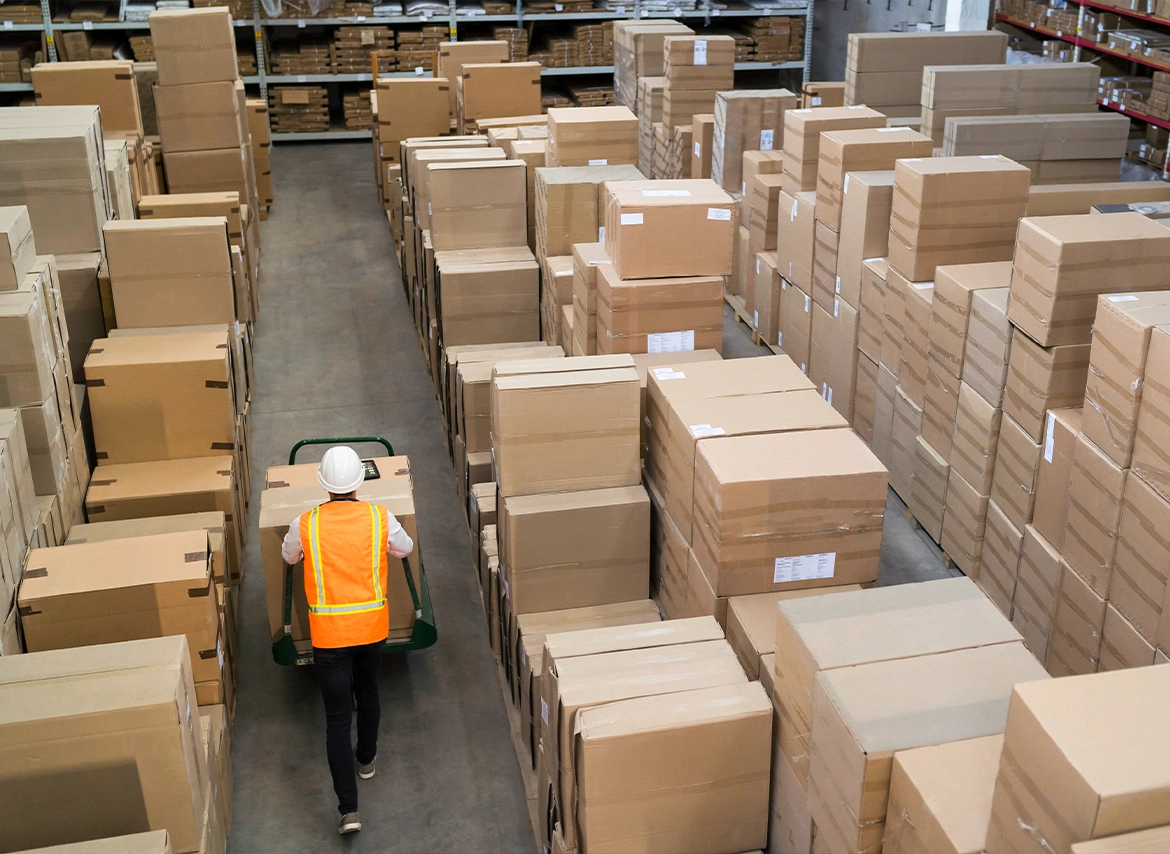
The closer your stock is to customers, the faster the delivery. Many businesses use multiple fulfillment centers or work with partners offering nationwide coverage to reduce shipping costs and delivery times. -
3. Streamlined Picking and Packing Operations
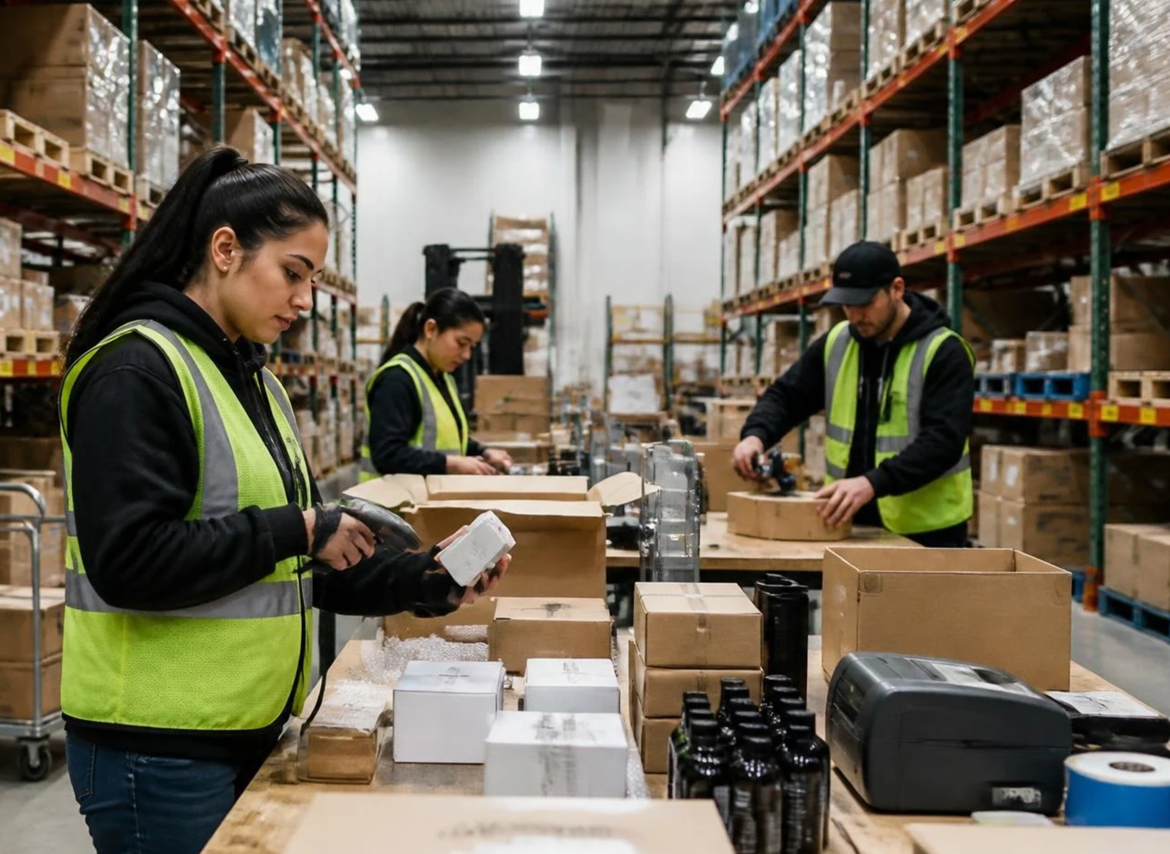
Accurate picking ensures the right product goes to the right customer every time. Smart software, barcode scanning, and automated workflows reduce errors and increase speed. Packaging should protect the product while supporting the brand identity. -
4. Reliable Shipping Solutions
Partnering with trusted carriers is essential. Your shipping network should cover standard, express, two-day, and same-day delivery options so customers can choose what suits them. Tracking links must be accurate and updated. -
5. Seamless Returns Management
Returns are part of the DTC ecosystem. A smooth, customer-friendly returns process builds trust and boosts repeat purchases. Efficient DTC fulfillment services include fast refund processing, quality checks, and restocking workflows.
Step-by-Step Journey: From Order Placement to Final Delivery
Let’s look at the entire DTC fulfillment pipeline and how each stage influences customer satisfaction.
- Order Placement
The customer completes a purchase from your website or marketplace. At this very moment, your fulfillment system must trigger instant updates, notifying warehouse teams and adjusting inventory. - Order Processing
This stage verifies the payment method, inventory availability, and customer details. A well-optimized system automatically routes the order to the best-suited fulfillment center to minimize delivery time. - Picking
Once the warehouse receives the order, trained staff or automated robots retrieve the product. The accuracy of this step determines whether your customer receives the correct item. - Packing
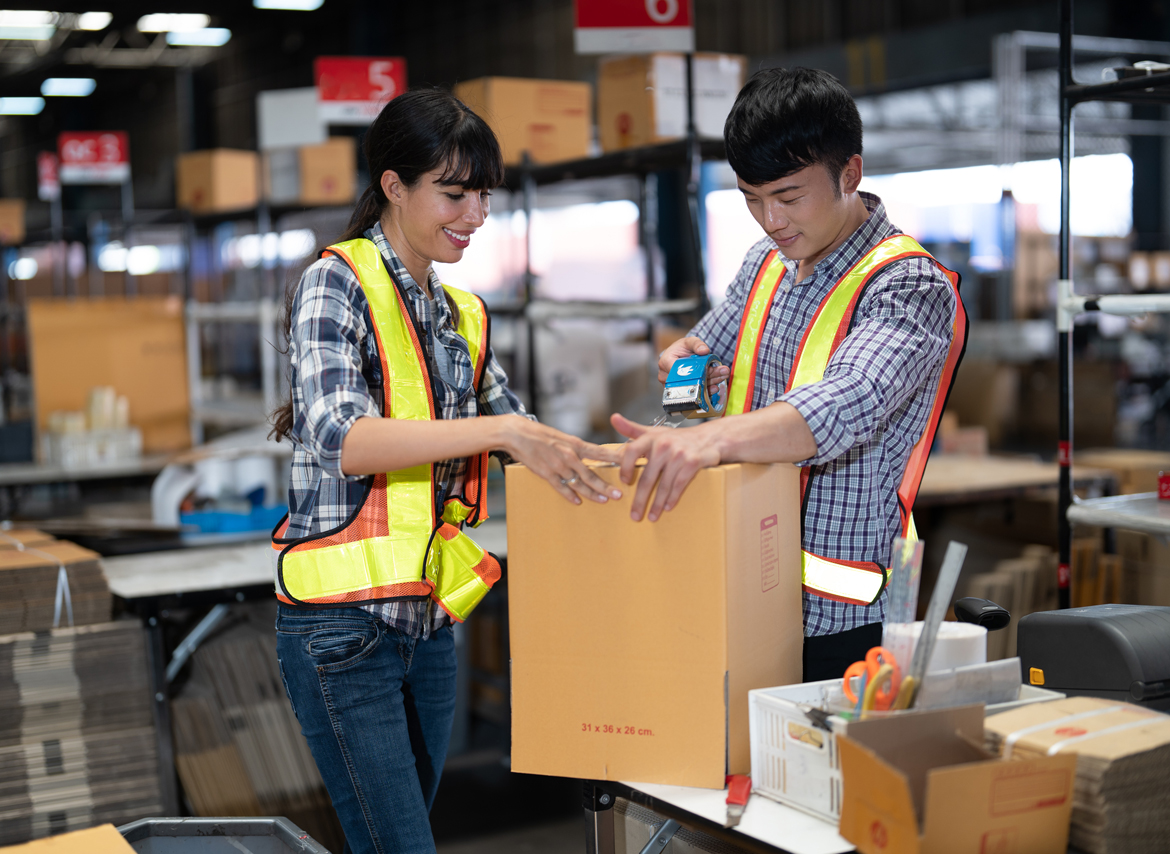
This is where your brand shines. Packaging should be protective, environmentally friendly when possible, and aligned with your branding. Many DTC companies use personalized packaging to elevate the unboxing experience. - Shipping
After packing, orders are scanned, labeled, and handed to a shipping carrier. Carrier selection depends on destination, order priority, and shipping cost. Real-time tracking is provided to the customer to build transparency. - Last-Mile Delivery
This final leg of fulfillment is the most crucial. The product reaches the customer’s doorstep. Smooth last-mile operations reduce delays, complaints, and delivery failures. - Returns & Exchanges
If the customer initiates a return request, the system should quickly issue return labels and instructions. Returns are inspected upon arrival, followed by refund processing or replacement dispatch.
This entire journey becomes seamless only when supported by reliable DTC fulfillment services capable of managing high-order volumes, controlling inventory, and optimizing shipping routes.
How Technology Optimizes Modern DTC Fulfillment Services?
Today’s fulfillment landscape is powered by advanced tech that simplifies operations and improves customer satisfaction.
-
AI-Powered Demand Forecasting
Leverage advanced AI to anticipate product demand with precision. By analyzing market trends, customer buying patterns, and seasonal fluctuations, businesses can minimize stockouts, cut excess inventory, and reduce storage costs.
-
Warehouse Automation
Boost efficiency with robotic picking systems, automated conveyors, and intelligent sorting machines. These technologies accelerate operations, reduce manual errors, and ensure faster order fulfillment.
-
Unified Order Management Systems (OMS)
Streamline operations with OMS tools that consolidate orders from multiple platforms—Amazon, Shopify, Walmart, Flipkart, and direct websites—into a single dashboard. This integration enables smoother processing, fewer delays, and improved customer satisfaction.
-
Real-Time Tracking Integrations
Enhance transparency by providing customers with live updates on their order journey. Real-time tracking builds trust, strengthens brand credibility, and improves the overall shopping experience.
-
Data-Driven Optimization
Empower decision-making with actionable analytics on:
- Shipping performance
- Packing accuracy
- Inventory turnover
- Customer behavior
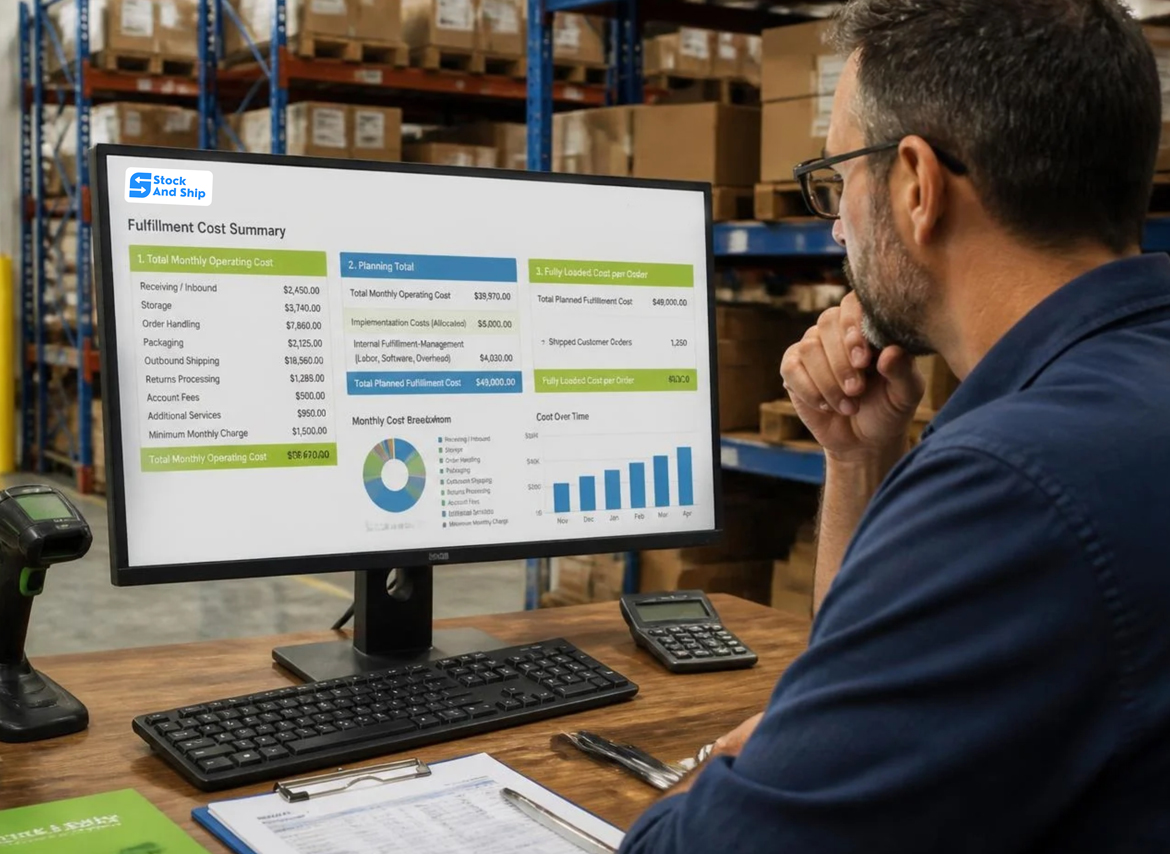
These insights help brands continuously refine their fulfillment strategies, optimize costs, and deliver smarter, faster service.

Common Challenges in DTC Fulfillment and How to Overcome Them
Even strong brands face fulfillment challenges. But with proper planning, every challenge has a solution.
-
High Shipping Costs
Shipping is often the biggest expense. Reducing the distance between warehouses and customers, negotiating better carrier rates, and using hybrid shipping models can significantly lower costs.
-
Difficulty Scaling During Peak Seasons
Sudden order spikes during sales or festivals can overwhelm operations. Using scalable DTC fulfillment services ensures backup manpower, additional storage, and efficient workflows during peak times.
-
Inventory Mismanagement
Without proper tools, inventory discrepancies occur frequently. Real-time tracking, AI forecasting, and warehouse automation help solve this issue.
-
Delivery Delays
Delays negatively impact customer satisfaction. Using multiple carriers, assigning orders to the nearest warehouse, and monitoring tracking updates help reduce delivery failures.
-
Inefficient Returns
A poor returns experience destroys customer trust. Solutions include automated return labels, transparent instructions, and quick processing systems.
The Future of DTC Fulfillment
The future of DTC commerce is built on speed, automation, and personalization. Several emerging trends will shape the next generation of fulfillment:
- Autonomous Delivery Vehicles & Drones
Self-driving trucks and drone deliveries will enable faster and eco-friendly shipping. - Predictive Inventory Replenishment
AI will auto-replenish inventory before stock runs out, eliminating downtime. - Micro-Fulfillment Centers
Small, localized fulfillment hubs inside cities will enable same-day or even 2-hour deliveries. - Enhanced Personalization
Customized packaging, handwritten notes, and tailored recommendations will enrich customer experience. - Sustainable Fulfillment Practices
Eco-friendly packaging, reduced carbon emissions, and circular logistics will become industry standards.
Whatever the future holds, one thing is certain: brands using efficient DTC fulfillment services will stay ahead of customer expectations and competition.
Final Thoughts
A powerful DTC fulfillment strategy is the backbone of every successful direct-to-consumer brand. It ensures speed, accuracy, customer satisfaction, and long-term growth. From inventory management to last-mile delivery, every step must be optimized, connected, and backed by modern technology. By partnering with reliable DTC fulfillment services, brands can reduce operational burdens and focus on what truly matters—innovation, marketing, and customer loyalty.
The DTC market is more competitive than ever, but with the right fulfillment blueprint, your brand can rise above the rest. A seamless order-to-delivery experience doesn’t just deliver packages; it delivers trust, credibility, and repeat business.
Frequently Asked Questions (FAQs)
What are DTC fulfillment services?
DTC fulfillment services handle the end-to-end process of storing inventory, processing orders, packing products, shipping them to customers, and managing returns for direct-to-consumer brands.
Why is DTC fulfillment important for online brands?
It ensures faster delivery, accurate orders, better customer satisfaction, and improved control over branding and operations.
How do I choose the right DTC fulfillment provider?
Look for providers offering real-time tracking, nationwide coverage, competitive shipping rates, strong returns management, and advanced technology integration.
Can DTC fulfillment help reduce shipping costs?
Yes. Strategic warehouse locations, bulk carrier negotiations, optimized packing, and smart routing significantly lower shipping expenses.
What technological features improve DTC fulfillment services?
AI forecasting, automated warehouses, real-time tracking, inventory automation, and advanced order management software improve accuracy and speed.