


Table of Contents
- Introduction: The Future of Smarter Fulfillment
- What is Amazon Multi-Channel Fulfillment (MCF)?
- How Amazon Multi-Channel Fulfillment Works in Real-Time?
- Key Benefits That Drive Business Growth
- Challenges & Limitations You Should Know
- Advanced Strategies to Maximize MCF Performance
- Frequently Asked Questions (FAQs)
- Conclusion: Final Sum Up
Introduction: The Future of Smarter Fulfillment
The eCommerce industry is experiencing rapid transformation, driven by rising customer expectations and increasing competition across platforms. Today’s consumers expect fast shipping, real-time tracking, and seamless delivery experiences regardless of where they shop—be it your website, marketplaces, or social media stores.
Managing fulfillment across multiple channels often becomes complex, expensive, and time-consuming. This is where Amazon Multi-Channel Fulfillment becomes a strategic solution. It allows businesses to leverage the strength of the Amazon Supply Chain to simplify logistics, improve delivery performance, and scale operations without heavy investments.
By integrating Amazon’s advanced logistics infrastructure into your business model, you can focus more on growth, marketing, and customer engagement while Amazon handles the backend operations efficiently.
What is Amazon Multi-Channel Fulfillment (MCF)?
Amazon Multi-Channel Fulfillment (MCF) is a service that enables sellers to store their inventory in Amazon’s fulfillment centers and use that inventory to fulfill orders from multiple sales channels—not just Amazon.
This means businesses can manage a single inventory pool and serve customers from various platforms like Shopify stores, Walmart, eBay, or even social commerce platforms such as Instagram and Facebook. It eliminates the need for multiple warehouses and third-party logistics providers.
Unlike traditional fulfillment systems, MCF leverages the powerful Amazon Supply Chain, ensuring high efficiency, faster shipping times, and reduced operational complexity. This unified approach allows businesses to maintain consistency in delivery performance and customer satisfaction across all channels.
How Amazon Multi-Channel Fulfillment Works in Real-Time?
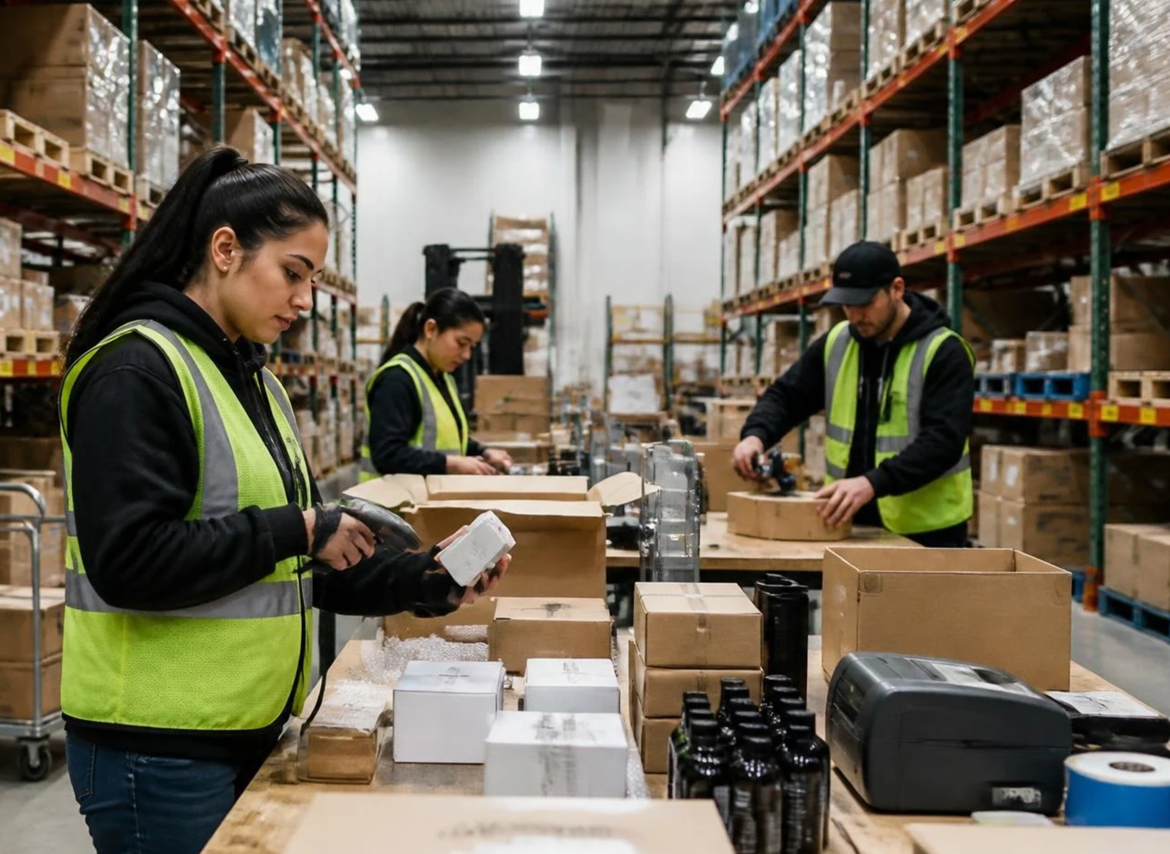
The process of Amazon Multi-Channel Fulfillment is designed to be simple yet highly efficient. Once your inventory is stored in Amazon’s fulfillment centers, the system automatically manages the entire fulfillment lifecycle.
When a customer places an order on any platform, the order details are instantly transmitted to Amazon through integrations or APIs. Amazon’s system then processes the order by picking the product from storage, packing it securely, and shipping it using its optimized delivery network.
Customers receive tracking information, and the delivery is completed within a short timeframe—often within 1–2 days. Additionally, returns are handled efficiently, with items being restocked if eligible.
This streamlined workflow powered by the Amazon Supply Chain ensures that businesses can deliver a consistent and reliable customer experience without managing logistics manually.
Fill out the form for a free logistics consultation!

You can contact us directly and schedule your shipment now
Key Benefits That Drive Business Growth
-
Centralized Inventory Management
Manage all your inventory from a single location, reducing complexity and avoiding stock mismatches across channels. -
Faster Shipping Speeds
Offer 1–2 day delivery using Amazon’s advanced logistics network, improving customer satisfaction. -
Improved Customer Experience
Real-time tracking and reliable delivery enhance trust and encourage repeat purchases. -
Scalable Operations
Easily handle high order volumes during peak seasons without additional infrastructure. -
Multi-Channel Expansion
Sell across different platforms without worrying about fulfillment challenges. -
Cost Optimization
Reduce warehousing, staffing, and shipping costs by leveraging Amazon’s efficiency. -
Unbranded Packaging Options
Maintain your brand identity with neutral packaging that keeps Amazon invisible.
Challenges & Limitations You Should Know
While Amazon Multi-Channel Fulfillment offers numerous advantages, businesses should also consider certain limitations before fully relying on it.
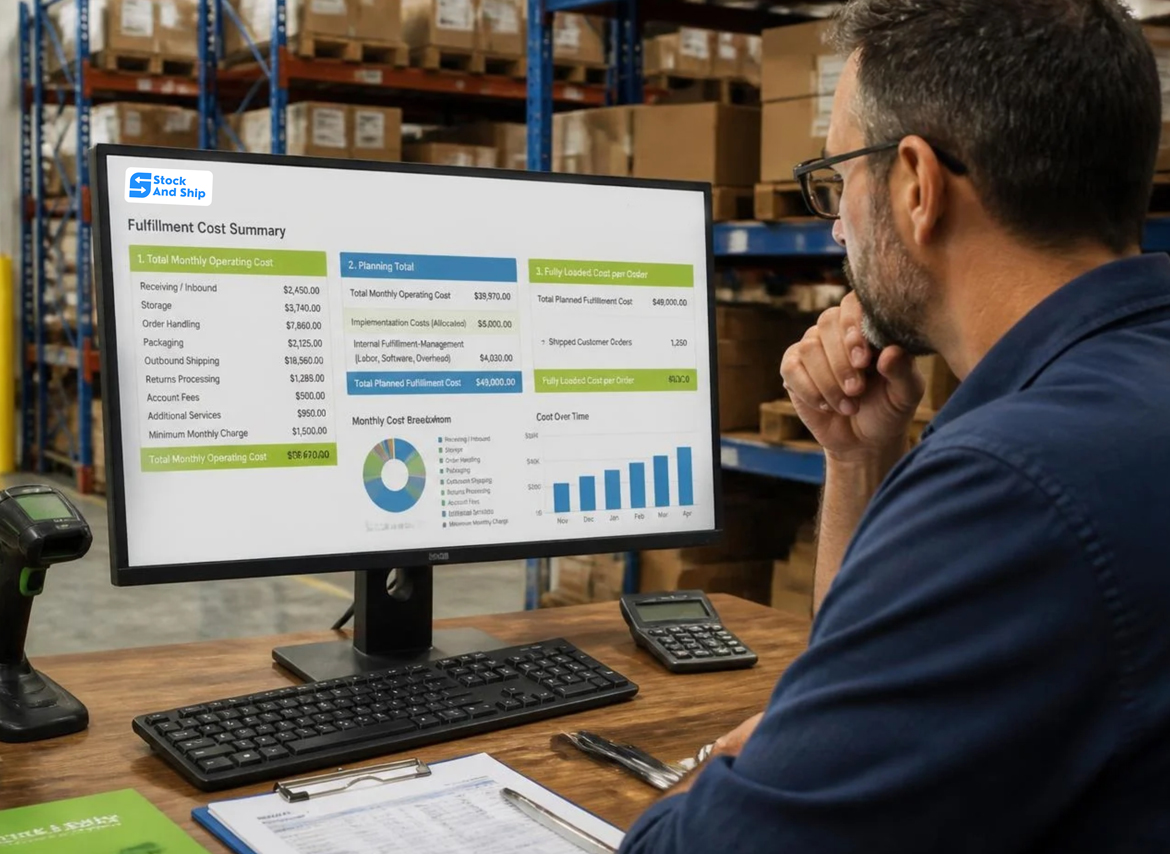
One of the primary concerns is cost. MCF fees can be higher compared to standard FBA orders, especially for non-Amazon channels. This requires careful pricing strategies to maintain profitability.
Another limitation is branding. Although Amazon provides unbranded packaging, it does not offer full customization options like inserts, custom boxes, or personalized packaging experiences that some brands prefer.
Additionally, businesses become dependent on the Amazon Supply Chain, which means any disruptions, policy changes, or inventory restrictions can directly impact operations. During peak seasons, Amazon may impose storage limits, affecting inventory planning.
Lastly, customer service for non-Amazon orders remains the seller’s responsibility, which means businesses must maintain a strong support system to handle queries, complaints, and returns efficiently.
Advanced Strategies to Maximize MCF Performance
-
Optimize Inventory Distribution
Place inventory strategically across multiple fulfillment centers to reduce delivery times and shipping costs. -
Use Automation Tools
Integrate MCF with your eCommerce platform or ERP system to automate order processing and inventory updates. -
Leverage Data Insights
Analyze sales trends and customer behavior to forecast demand and avoid overstocking or stockouts. -
Combine with Buy with Prime
Offer a trusted checkout experience on your website to boost conversions and customer confidence. -
Adjust Pricing Strategically
Factor in fulfillment costs while setting product prices to maintain healthy profit margins.
Frequently Asked Questions (FAQs)
What is Amazon Multi-Channel Fulfillment?
Amazon Multi-Channel Fulfillment is a service that allows sellers to use Amazon’s logistics network to fulfill orders from multiple sales channels beyond Amazon.
Is Amazon MCF suitable for small businesses?
Yes, it is highly scalable and ideal for small businesses looking to grow without investing heavily in logistics infrastructure.
Can I customize packaging in MCF?
MCF offers unbranded packaging, but full customization options are limited compared to other fulfillment services.
How does MCF differ from FBA?
FBA fulfills only Amazon orders, while MCF supports fulfillment for multiple platforms like websites and marketplaces.
Does MCF handle returns and tracking?
Yes, Amazon provides tracking updates and can manage returns efficiently, simplifying operations for sellers.
Conclusion: Final Sum Up
In a highly competitive eCommerce environment, efficient logistics can be the key differentiator between success and failure. Amazon Multi-Channel Fulfillment provides businesses with a powerful way to streamline operations, expand across multiple platforms, and deliver exceptional customer experiences.
By leveraging the strength of the Amazon Supply Chain, businesses can eliminate logistical complexities, reduce operational costs, and scale without limitations. From faster deliveries to centralized inventory management, MCF empowers sellers to focus on growth rather than operational challenges.
Whether you are a startup aiming to expand or an established brand looking to optimize fulfillment, adopting Amazon Multi-Channel Fulfillment can significantly enhance your efficiency, customer satisfaction, and overall revenue growth.